Azerbaijan’s path to stronger institutions: Civil society and the rule of law


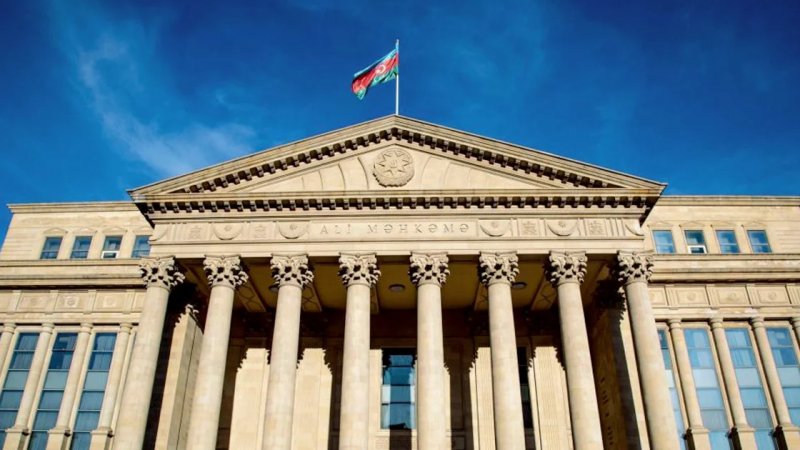
The development of civil society and the establishment of the rule of law are fundamental pillars of a modern democratic state. In Azerbaijan, these processes have evolved dynamically, particularly in the context of institutional reforms, digital transformation, and post-conflict reconstruction.
This paper examines the current state of civil society and legal state-building in Azerbaijan, highlighting recent reforms, government initiatives, and emerging trends. While acknowledging certain challenges, the study emphasizes the positive trajectory of institutional strengthening, public participation, and governance modernization, News.Az reports.
The concepts of civil society and the rule of law are central to political stability, sustainable development, and democratic governance. Civil society refers to the sphere of voluntary organizations and social initiatives operating independently from the state, while the rule of law ensures that all individuals and institutions are subject to and protected by law.
RECOMMENDED STORIES
In Azerbaijan, both domains have undergone significant transformation over the past decades, shaped by state-led reforms, technological advancements, and increased civic engagement. This paper explores these developments in detail, focusing on their practical implications and broader significance.
Civil society in Azerbaijan consists of a diverse network of actors, including non-governmental organizations (NGOs), media institutions, professional associations, and youth movements. These entities play a crucial role in addressing social issues, promoting public awareness, and contributing to national development.
In recent years, Azerbaijani civil society organizations have focused on several important areas:
- Social welfare and community development
- Support for veterans, martyrs’ families, and vulnerable groups
- Gender equality and women's empowerment
- Environmental protection and sustainability
- Youth engagement and volunteerism
One notable trend is the expansion of volunteer movements, particularly through initiatives such as national volunteer programs. These platforms have enabled young people to actively participate in social and public life, fostering a culture of responsibility and civic engagement.
The Azerbaijani government has taken significant steps to support civil society institutions. The establishment of the Agency for State Support to Non-Governmental Organizations has provided financial and organizational assistance to NGOs, enabling them to implement projects across various regions.
This institutional backing strengthens the capacity of civil society and encourages broader participation in addressing national challenges.
The rule of law in Azerbaijan is grounded in constitutional principles that emphasize justice, equality, and the protection of human rights. Over recent years, the country has implemented a series of reforms aimed at enhancing legal transparency and institutional efficiency.
Key reforms include:
- Introduction of electronic court systems (e-courts)
- Improved mechanisms for the selection and evaluation of judges
- Simplification of legal procedures to increase accessibility
These reforms have made the judicial system more efficient and user-friendly, reducing bureaucratic barriers and improving public trust.
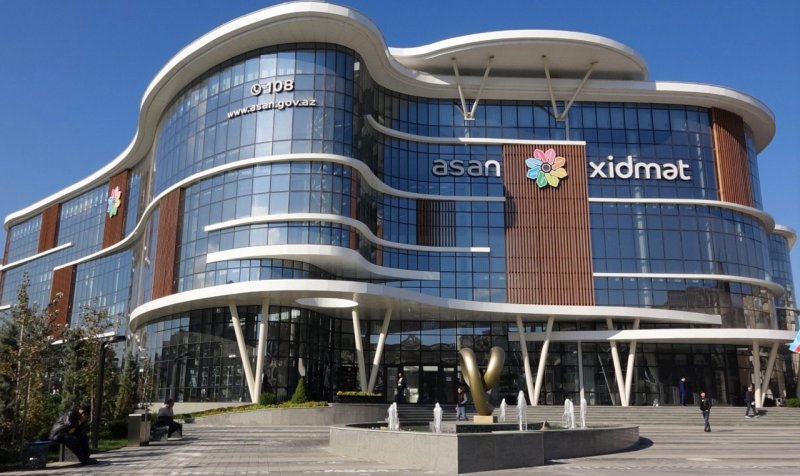
Azerbaijan has made remarkable progress in digital governance, particularly through the development of public service platforms. The ASAN Service model stands out as a successful example of integrating transparency, efficiency, and citizen satisfaction.
Digitalization minimizes corruption risks, enhances accountability, and ensures equal access to public services.
The media sector is an essential component of civil society. The adoption of the Media Law in 2021 marked an important step in regulating and modernizing the media landscape.
Key features of the law include:
- Establishment of a media registry
- Definition of professional standards for journalists
- Clarification of legal responsibilities within the sector
The law aims to improve professionalism and institutional organization in media while creating a more structured communication environment.
Human rights protection remains a key element of the rule of law in Azerbaijan. Several mechanisms contribute to this objective:
The Ombudsman plays a vital role in:
- Investigating citizens’ complaints
- Monitoring detention facilities
- Promoting awareness of human rights
Periodic amnesty acts and presidential pardons demonstrate a commitment to humanitarian values and social justice.
These practices reinforce the principles of fairness, rehabilitation, and state responsibility toward citizens.
Following the restoration of territorial integrity, Azerbaijan has entered a new phase of development characterized by reconstruction and institutional expansion in liberated territories.
Projects such as Smart Villages and Smart Cities are being implemented to:
- Improve infrastructure
- Enhance service delivery
- Introduce modern governance models
These initiatives reflect a forward-looking approach, combining technology with governance to build sustainable communities.

Public engagement in Azerbaijan has increased significantly, particularly through digital platforms and social media. Citizens are now more actively involved in discussing public policies and expressing their views.
At the same time, cooperation with international organizations, including the United Nations and the Council of Europe, has contributed to the exchange of best practices and alignment with global standards.
This trend indicates a gradual strengthening of participatory governance and international integration.
While notable progress has been made, certain challenges remain:
- The need for further expansion of NGO operational flexibility
- Ongoing discussions regarding media independence
- Continued efforts to strengthen judicial impartiality
However, these challenges also present opportunities for further reform and institutional development.
The development of civil society and the rule of law in Azerbaijan demonstrates a dynamic and evolving process. Through legal reforms, digital innovation, and institutional support, the country has made significant strides toward strengthening governance and public participation.
Despite existing challenges, the overall trajectory remains positive. Continued commitment to reform, transparency, and inclusivity will further enhance Azerbaijan’s progress in building a resilient civil society and a robust legal state.
(If you possess specialized knowledge and wish to contribute, please reach out to us at opinions@news.az).


Similar news