Belgium voices concerns over EU plan for frozen Russian assets


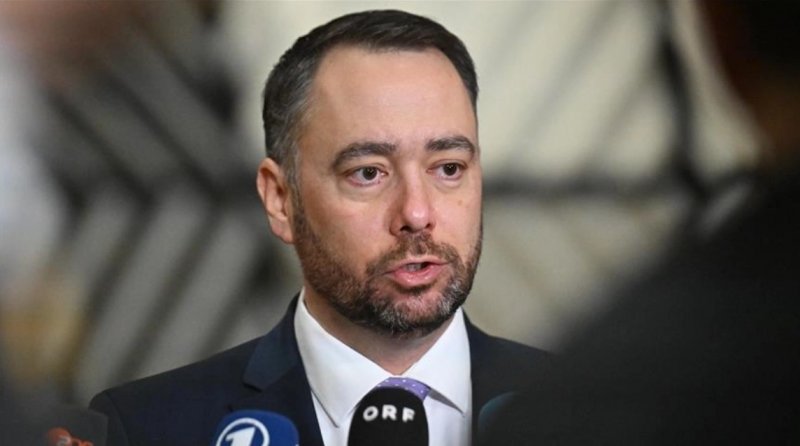
Belgium has criticized the European Union’s plan to loan profits from frozen Russian assets to Ukraine, saying the proposal fails to address the country’s concerns.
Belgian Foreign Minister Maxime Prevot expressed frustration on Wednesday, telling reporters ahead of a NATO foreign ministers meeting in Brussels that Belgium feels “not heard” and that the European Commission’s text “does not address our concerns in a satisfactory manner,” News.Az reports, citing Turkish media.
Prevot described the idea of a reparations loan as “the worst of all” options due to its high risks, emphasizing that “it is not acceptable to use the money and leave us alone facing the risks.” He called for full coverage of the risks Belgium would face under the plan.
Last week, Belgian Prime Minister Bart De Wever sent a letter to EU Commission President Ursula von der Leyen, labeling the plan as “fundamentally flawed” and warning that it could violate international law. He also cautioned about potential Russian retaliation, particularly against Euroclear and Belgium, and stressed that frozen assets could play a role in future peace negotiations, meaning immediate use might complicate diplomatic efforts.
Euroclear, a Brussels-based securities depository, and the National Bank of Belgium also submitted letters to the EU highlighting the legal and financial risks associated with mobilizing the assets.
The EU’s proposal aims to raise roughly €140 billion (over $161 billion) for a loan to Ukraine using frozen Russian state assets, most of which are held at Euroclear. Belgium’s objections underscore the broader concerns within the bloc about the legal, financial, and geopolitical implications of such a move.


Similar news