BYD added to Brazil’s ‘dirty list’ for labour rights violations


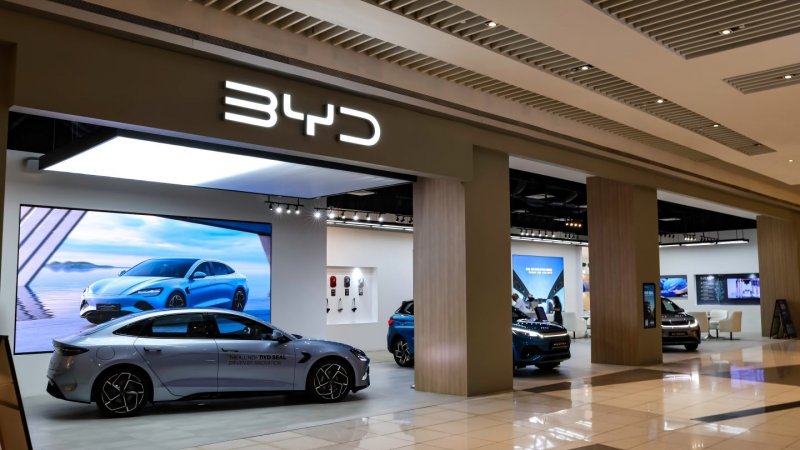
Brazil’s Labour Ministry has placed BYD on its registry of employers—Lista Suja, or ‘dirty list’—found to have subjected workers to conditions analogous to slavery during the construction of its plant in Bahia state.
The listing bars BYD from obtaining certain categories of loans from Brazilian banks and carries further reputational consequences in the company’s largest market outside China, though it does not affect the operation of the plant itself, News.az reports.
RECOMMENDED STORIES
The BYD situation stems back to November 2024, when labour inspectors raided the construction site and found workers housed in severely overcrowded conditions. Workers had also been required to surrender their passports, and most of their wages redirected to contractors back in China. Workers were also required to pay a deposit of nearly US$900 that could only be recovered after six months of work.
BYD attributed the violations to its contractor Jinjiang Group, which has denied the claims; Brazilian officials have argued that the primary employer retains ultimate responsibility for contractor compliance. The automaker signed a deal with labour prosecutors over the matter but not with labour inspectors, the distinction that ultimately prevented it from avoiding the registry.
Companies are added to Lista Suja only after all administrative appeals are exhausted and can remain listed for two years unless a court orders removal. BYD had appeared to have largely contained the fallout—President Luiz Inácio Lula da Silva personally attended the plant’s inauguration in October 2025—but the ministerial process continued in parallel. The Bahia facility, one a Ford car factory, has since produced more than 25,000 vehicles.
Being on Lista Suja does more than cause reputational damage; indeed, there are practical consequences in terms of BYD’s ability to access credit and do business in the country. For example, state development institutions including BNDES, whose low-interest financing is central to large-scale industrial expansion in Brazil, are restricted from extending loans to companies on the registry.
BYD’s Camaçari investment is structured in phases, and the financing required for subsequent expansions is now materially constrained for the duration of the listing. International banks with ESG compliance obligations face similar restrictions, narrowing the pool of available capital at a moment when BYD is trying to scale Brazilian output as part of its broader export strategy for Latin America.
While BYD has positioned Brazil as its regional hub for vehicle production, it is keeping its options open. The automaker is simultaneously pursuing the acquisition of the former Nissan-Mercedes-Benz facility in Aguascalientes, Mexico—a plant with annual capacity of around 230,000 vehicles that Nissan is expected to vacate in May. If that bid succeeds, BYD would operate production hubs in both of Latin America’s largest automotive manufacturing corridors.
By Faig Mahmudov


Similar news