Chinese harassment complaints may signal deeper geopolitical tensions


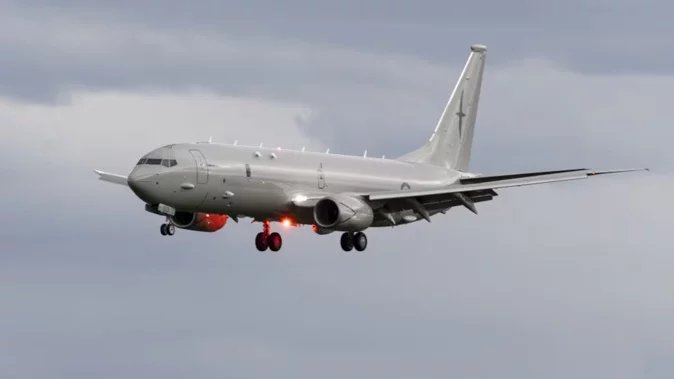
Beijing’s recent allegations of "harassment" against the New Zealand Defence Force could be a calculated response to shifting foreign policy settings in Wellington, according to global security experts.
The Chinese Ministry of Foreign Affairs recently issued a stern rebuke, claiming that a New Zealand P-8A Poseidon patrol aircraft engaged in "disruptive and irresponsible" reconnaissance over the Yellow and East China seas, News.Az reports, citing News talk zb.
While New Zealand maintains that its flights are routine operations conducted in international airspace to monitor United Nations sanctions against North Korea, the escalation in rhetoric from China suggests a growing dissatisfaction that extends beyond a single military flight.
RECOMMENDED STORIES
University of Otago Professor Robert Patman suggests that what appears to be a diplomatic overreaction to a standard mission may actually reflect Beijing’s irritation with New Zealand’s increasing alignment with traditional allies. The expert points to recent joint statements between New Zealand and Australia that characterized Chinese behavior in the South China Sea as "unsafe and unprofessional" as a likely catalyst for the friction. In the past, China often viewed New Zealand as a more balanced and independent partner, but that perception appears to be shifting.
The language used by Chinese officials—specifically the term "harassment"—marks a significant hardening of diplomatic tone. Beijing claims that the NZDF maneuvers disrupted civil aviation and posed a direct threat to Chinese sovereignty, a charge that the New Zealand Defence Force has flatly rejected. Military officials in Wellington clarified that the aircraft operated professionally and in full accordance with international law, with no data indicating any interference with civilian flight paths.
According to analysts, this diplomatic spat serves as a warning that New Zealand may no longer enjoy the "special status" it once held in its relationship with China. As Wellington tightens its security cooperation with the likes of Australia and potentially the United States, experts believe Beijing is using these military encounters to signal its discomfort with New Zealand's evolving strategic direction. With both the Foreign Affairs and Defence ministries standing by the NZDF’s initial response, the incident highlights a deepening divide in the Pacific power dynamic.
By Leyla Şirinova


Similar news