Germany pressures Tbilisi


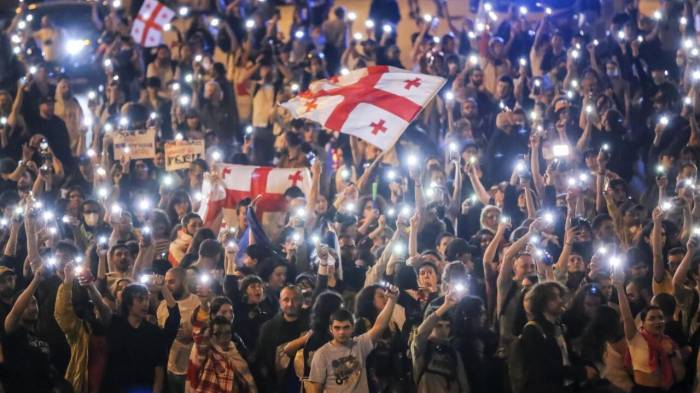
Photo: France24
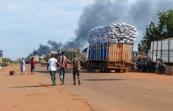
Mass protests have recently erupted across Georgia, a country bordering Azerbaijan, triggering significant reactions from its Western partners. One of the most striking developments has been Germany’s decision to suspend financial aid projects for Georgia totaling €200 million. German Foreign Minister Annalena Baerbock explained the reasoning behind this decision, stating:
"We have reduced our cooperation with the Georgian authorities and suspended support projects amounting to more than €200 million."
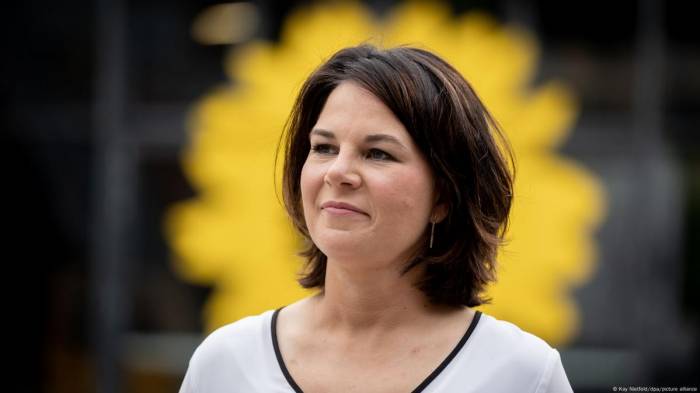
Photo: Kay Nietfeld/dpa/picture alliance
This move comes against the backdrop of Georgia’s recent shift in political alignment, where its ruling party, Georgian Dream, has been distancing itself from Western liberal values and pursuing policies more in line with national sovereignty and pragmatism.
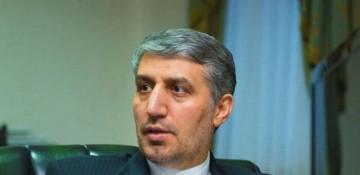
In light of these developments, News.Az sought insights from Alexander Rahr , a renowned German political scientist and chairman of the Eurasian Society in Berlin. Rahr provided a detailed analysis of the EU’s strategy and Germany’s leading role in shaping it.
“The EU has long relied on a 'carrot-and-stick' approach when dealing with its neighbors,” Rahr explained. “For years, the 'carrots'—financial incentives, economic partnerships, and visa-free travel—were offered to Georgia as long as it adhered to the liberal mainstream and aligned its policies with European norms.”
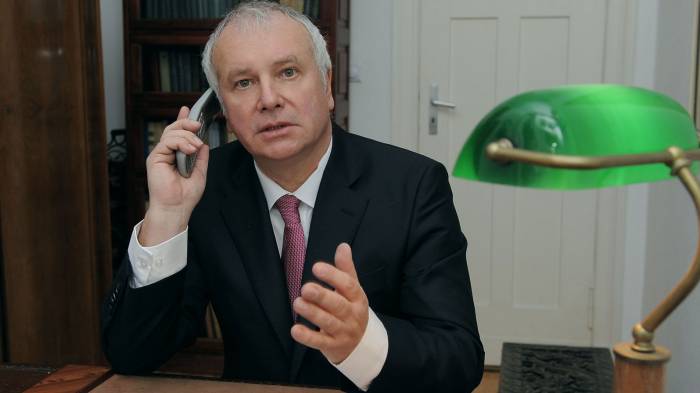
Photo source: deutschlandfunkkultur.de
However, as Georgia increasingly asserts its independence from Western influence, particularly on domestic political matters, the EU and Germany have shifted toward punitive measures.
“Germany, spearheaded by Minister Baerbock, has taken on the role of enforcer, aiming to pressure Georgia back into alignment,” Rahr noted. “This includes using financial aid as leverage and even threatening sanctions to compel Tbilisi to return to a pro-European stance.”
Germany’s Strategy and the Broader EU Approach
According to Rahr, Germany’s strategy is indicative of a broader EU determination to ensure that Georgia remains within the Western sphere of influence.
“The EU believes that Georgia cannot afford to sever ties with the West entirely,” Rahr said. “There is confidence in Brussels that firm measures will eventually push the ruling Georgian Dream party back onto the ‘right path.’”
Nevertheless, the EU’s unified stance on Georgia is far from certain. Rahr highlighted divisions within the bloc, noting that not all member states share Germany’s confrontational approach.
“Countries like Slovakia and Hungary have expressed more sympathy for Georgia’s current position,” Rahr explained. “This has created fractures within the EU, with Germany likely to attempt to discipline these dissenting nations. Sanctions or the withholding of EU budget funds may be used to bring them into line.”
The evolving situation raises several critical questions about the future of Georgia’s relationship with the EU and the West more broadly. Will the EU’s pressure campaign succeed in reorienting Georgia toward its liberal values and policies? Or will Georgia’s ruling party continue to chart an independent course, potentially deepening ties with alternative global powers such as Russia or China?
Rahr also pointed out that this confrontation reflects a larger geopolitical struggle over influence in the South Caucasus, where Western and Eastern powers are vying for dominance.
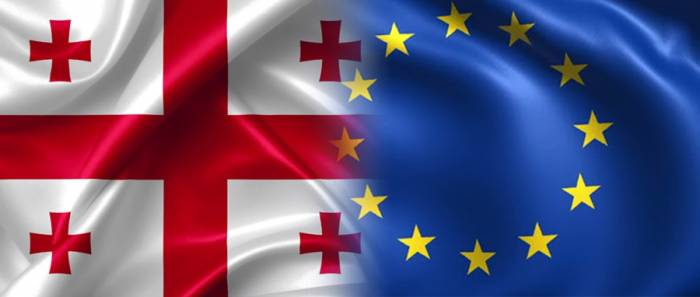
Photo: Shutterstock
“Georgia’s strategic location and its historical ties to Europe make it a crucial battleground in the competition between the West and other global powers,” Rahr said. “The outcome of this standoff will have profound implications for the region’s political and economic future.”
The suspension of €200 million in German aid to Georgia and the threat of further punitive measures highlight the growing tensions between Tbilisi and its Western partners. As the EU deliberates on its next steps, internal divisions within the bloc could complicate the implementation of a unified strategy. Meanwhile, Georgia finds itself at a crossroads, facing a pivotal decision about its political alignment and future trajectory in an increasingly polarized global order.


Similar news