How Azerbaijan reshaped South Caucasus geopolitics


.jpg)
Editor’s Note: Aytaj Mahammadova is an energy security expert affiliated with the Caspian-Alpine Society. The views expressed in this article are her own and do not necessarily reflect those of News.Az.
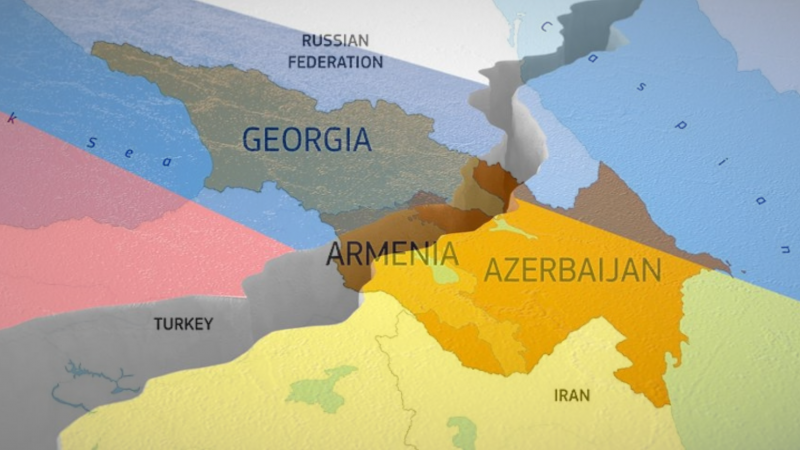
The year 2020 marked a watershed moment in the modern history of the South Caucasus, a turning point that fundamentally altered the region's geopolitical landscape. Azerbaijan, after 30 years of patient diplomacy punctuated by military confrontations, took decisive initiative and made history. The 44-day war that autumn demonstrated not only Azerbaijan's military capabilities but also its strategic determination to resolve the protracted Karabakh conflict through force when diplomatic channels proved exhausted. This bold move transformed Azerbaijan from a passive player awaiting international mediation into an active architect of its own destiny and, by extension, the region's future.
Azerbaijan’s post-Karabakh victory and subsequent strategic initiatives have positioned it firmly on the path to middle-power status. By leveraging its geographic location at the crossroads of Europe and Asia, its energy resources, and its growing diplomatic influence, Azerbaijan has demonstrated the ability to shape regional agendas beyond its immediate borders. Its proactive foreign policy, centered on constructive engagement, economic connectivity, and multilateral cooperation, has allowed it to cultivate partnerships across the South Caucasus, the Caspian region, and beyond.
In this context, Azerbaijan has emerged as a confident middle power capable of shaping regional developments rather than merely reacting to them. However, this geopolitical transformation lay not only in Azerbaijan's military success but also in its ability to build cooperative relationships with regional players. By engaging constructively with major regional players, Baku is establishing a new regional paradigm where economic connectivity and political pragmatism replace conflict and division as the primary drivers of South Caucasus geopolitics.
Unlocking Central Asian potential
Source: investmentmonitor
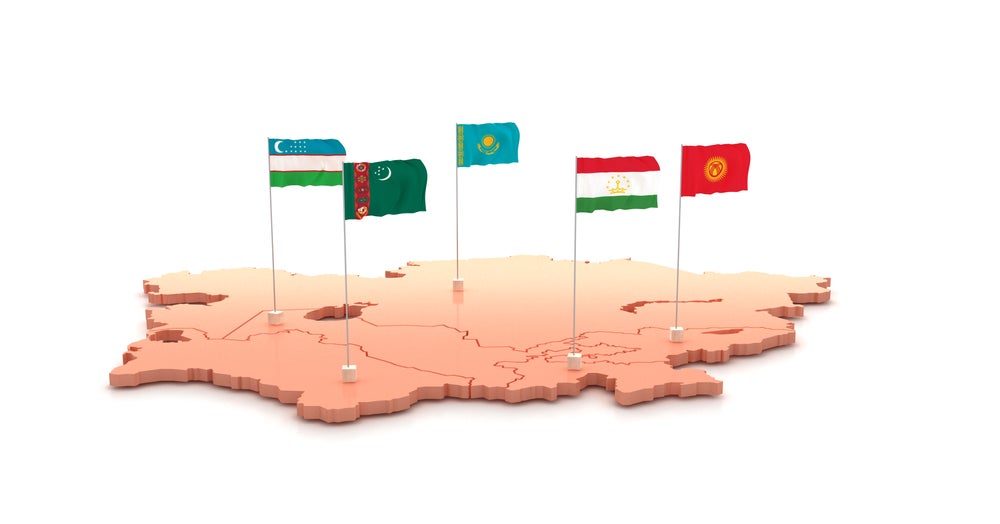
Azerbaijan’s deepening engagement with Central Asia is a clear demonstration of its proactive regional strategy. President Ilham Aliyev’s visit to Kazakhstan on October 20–21, 2025, underscores the active and productive political dialogue maintained at the highest level throughout the year, reflecting strong trust and friendship between Baku and the Central Asian nations. Regular meetings on the sidelines of major international and regional events have further strengthened this relationship, highlighting not only mutual understanding but also Azerbaijan’s readiness to expand cooperation with Central Asian countries in political, economic, and security spheres. This visit signals a new phase of partnership, in which Azerbaijan seeks to play a constructive role in fostering regional integration, stability, and shared prosperity.
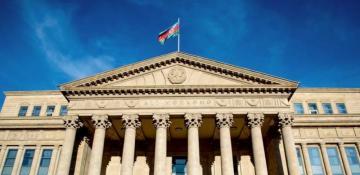
Azerbaijan’s role as chair of the Conference on Interaction and Confidence-Building Measures in Asia (CICA) for 2024–2026 further demonstrates its growing prominence within Asia’s most inclusive regional security framework. Since assuming this role in late 2024, Azerbaijan has driven an ambitious agenda focused on institutional strengthening, sectoral cooperation, and sustainable development. A landmark achievement of this chairmanship will be the adoption of CICA’s Charter in 2026, which will establish the organization’s legal status and empower its Secretariat, giving CICA greater operational capacity and credibility.
Consolidating the Turkic World

Source: APA
Azerbaijan's relationships with Turkic-speaking states have traditionally been characterized by strong cultural, linguistic, and historical bonds. However, the establishment of peace and the restoration of territorial integrity have opened qualitatively new possibilities for cooperation, not only with brotherly Türkiye but with the entire Turkic world. These relationships have moved beyond symbolic solidarity to encompass concrete economic, security, and infrastructural projects that are reshaping regional integration patterns.
Simultaneously, Azerbaijan has strengthened its leadership within the Turkic world. The restoration of peace and territorial integrity has opened new avenues for cooperation with Türkiye and other Turkic-speaking states, moving beyond symbolic solidarity toward tangible economic, security, and infrastructural projects. The 12th Summit of the Council of Heads of State of the Organization of Turkic States (OTS), hosted by Azerbaijan in Gabala on October 6–7, 2025, marked a watershed moment in this evolution. As both host and conceptual architect of the summit, Azerbaijan showcased its ability to define the future trajectory of Turkic cooperation. The summit emphasized "Regional Peace and Security" and demonstrated the maturation of the OTS from a culturally and historically oriented framework into an institution with strategic depth and practical ambitions. Initiatives such as the Turkic Strategic Foresight Network underscore Azerbaijan’s commitment to institutionalized, long-term joint strategic analysis, policymaking, and responsible regional peace mediation grounded in international law and humanitarian principles.
A Strategic partnership with Washington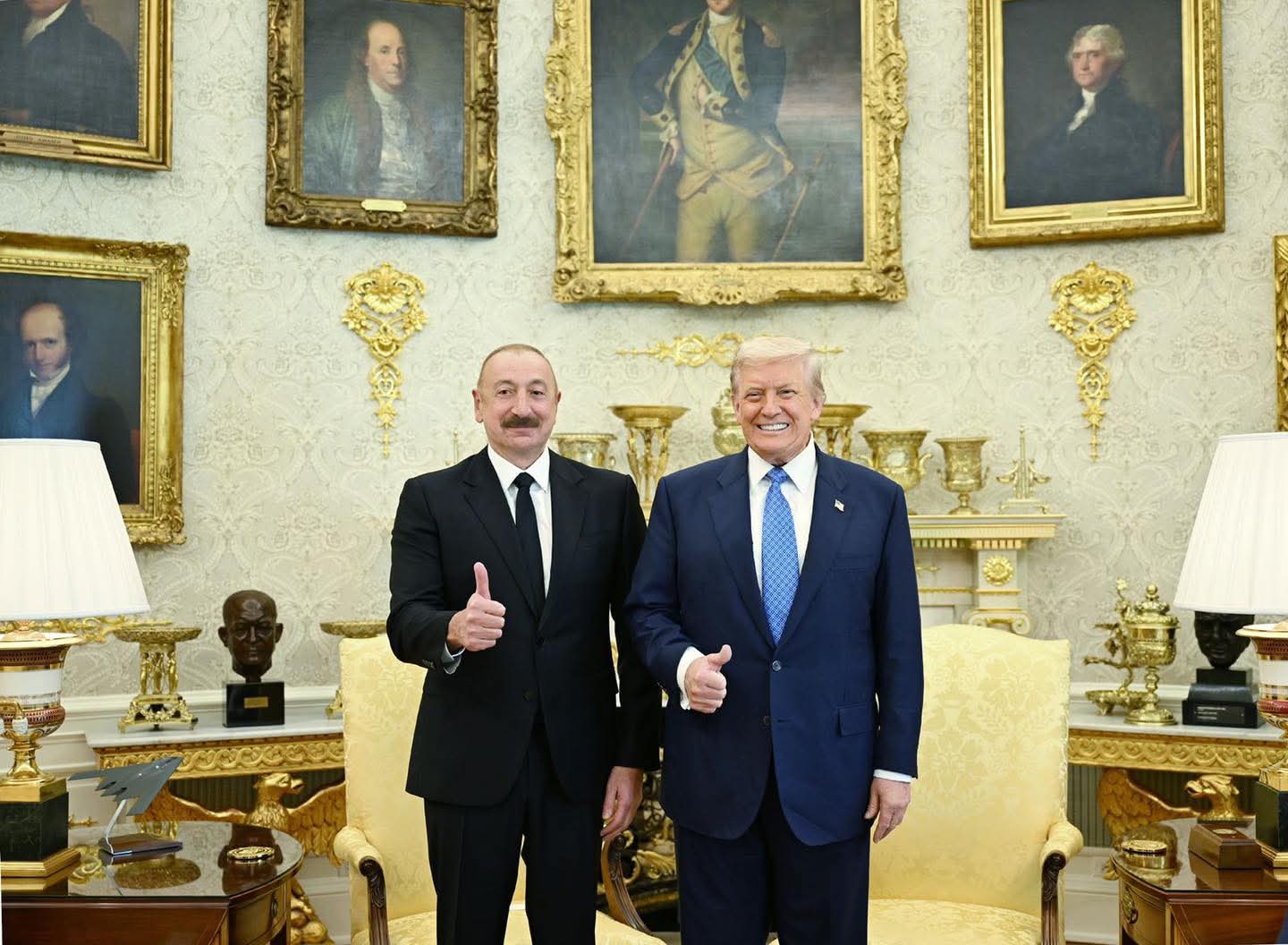
Source: Azertag
Another significant development has been the intensification of Azerbaijani-American cooperation. The United States, recognizing Azerbaijan's strategic importance and its potential role as a stabilizing force in the South Caucasus, has deepened engagement with Baku across multiple dimensions.
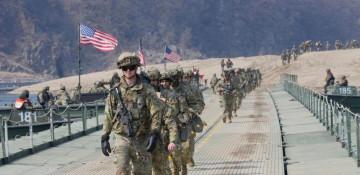
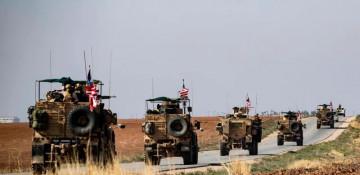
A pivotal moment in this transformation was the Washington Summit held on August 8, 2025. During this landmark event, President Ilham Aliyev of Azerbaijan and Prime Minister Nikol Pashinyan of Armenia, with U.S. President Donald Trump as a witness, signed a Joint Declaration aimed at establishing peaceful interstate relations and opening new transport and communication routes, notably between Azerbaijan and its exclave Nakhchivan. The summit also marked the initiation of the “Trump Route for International Peace and Prosperity” (TRIPP), a U.S.-supported infrastructure initiative ensuring direct and unhindered connectivity through Armenia. This breakthrough agreement effectively ended decades of conflict-driven stagnation and laid the groundwork for both regional peace and economic integration.
This fresh partnership attracted significant investments, highlighted by SOCAR and ExxonMobil’s cooperation memorandum to explore new energy potentials in Azerbaijan. The summit thus not only promised lasting peace but also opened vast new opportunities for economic growth and infrastructure modernization across the South Caucasus region.
Pragmatic diplomacy with Europe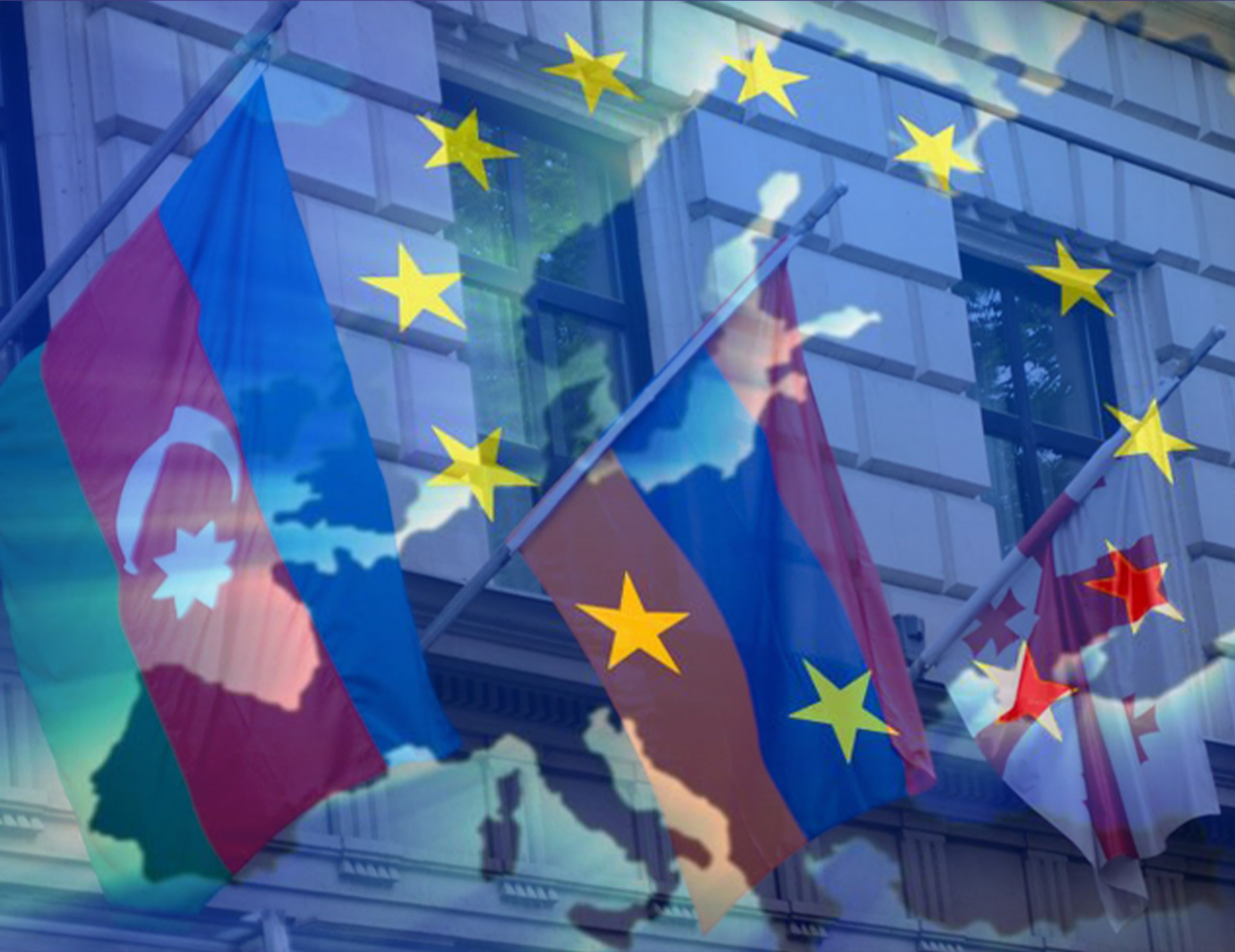
Source: Georgian.ge
The commitment to European engagement was vividly demonstrated by President Ilham Aliyev’s participation in the 7th Summit of the European Political Community, held in Copenhagen, Denmark, in October 2025. This summit offered Azerbaijan a strategic platform to engage in high-level discussions on continental security, economic resilience, migration, and energy cooperation, while also showcasing its growing role as a reliable political and strategic partner in Europe.
Azerbaijan’s participation highlighted its proactive diplomacy and determination to be recognized not merely as an energy supplier but as a key regional actor contributing to stability, integration, and dialogue across the continent. The summit provided multiple opportunities for President Aliyev to meet with European leaders, including Presidents Emmanuel Macron of France, Maia Sandu of Moldova, and Volodymyr Zelensky of Ukraine, as well as Prime Ministers Giorgia Meloni of Italy and Dick Schoof of the Netherlands, and senior officials such as Ursula von der Leyen and António Costa. These meetings, often initiated by the European side, underscored the growing European interest in strengthening ties with Baku, both to consolidate existing partnerships and to explore new avenues for collaboration.
More broadly, Azerbaijan’s strengthened international standing reflects its restored territorial integrity, demonstrated state capacity, and increasing significance in European energy security and logistics through initiatives like the Middle Corridor. Participation in the Copenhagen summit therefore reinforced Azerbaijan’s image as a constructive actor on the international stage, capable of advancing dialogue, fostering cooperation, and contributing meaningfully to Europe’s long-term security and prosperity.
Opening doors to the East: The Chinese partnership
Source: Xinhua
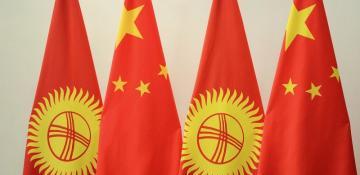
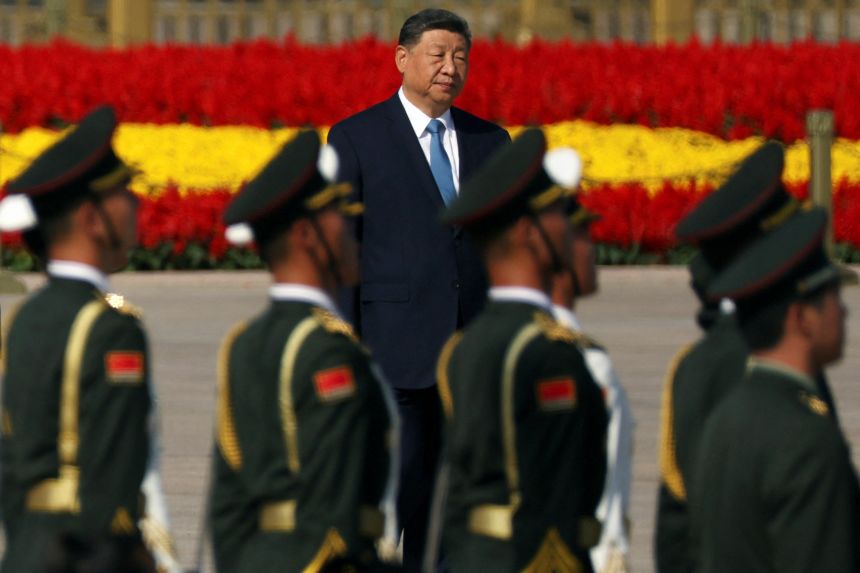
The geopolitical reconfiguration of the South Caucasus has also captured the attention of Asian powers, with China emerging as a particularly important partner for Azerbaijan. Chinese interest in the region is driven by both economic and strategic considerations, as Beijing seeks to expand and diversify the Belt and Road Initiative's connectivity networks. The deepening Azerbaijani-Chinese cooperation opens new possibilities not only for Azerbaijan itself but for the entire region, as it creates spillover opportunities for neighboring states.
President Ilham Aliyev's official visits to China in 2025 have significantly advanced this cooperation. In April 2025, during an official state visit to Beijing, Aliyev and Chinese President Xi Jinping established a comprehensive strategic partnership, signing more than 20 bilateral agreements focusing on infrastructure, energy, trade facilitation, and digital economy initiatives. This included an important Agreement on International Multimodal Transport, enhancing the operational feasibility of the Middle Corridor as a secure and reliable trade route connecting China, Central Asia, and Europe through Azerbaijan. Subsequently, in late August and early September 2025, Aliyev participated in the SCO Summit in Tianjin, where he held further high-level meetings with top Chinese officials and leaders from other regional states, reinforcing cooperation on transport corridors, renewable energy, and trade. These meetings cemented Azerbaijan's role as a pivotal transit hub and enabled joint ventures in critical sectors.
Projecting peace beyond the region![Azerbaijan steps onto Middle East stage to bridge new frontiers of peace [ANALYSIS]](https://www.azernews.az/media/2025/10/16/1760373956960463760.jpg)
Source: Azertag
Another significant demonstration of Azerbaijan’s growing diplomatic role on the global stage was President Ilham Aliyev’s participation in the Middle East Peace Summit held on October 13, 2025, in Sharm El Sheikh, Egypt. Invited by both U.S. President Donald Trump and Egyptian President Abdel Fattah El-Sisi, Aliyev’s presence underscored Azerbaijan’s reputation as a balanced and credible actor capable of engaging constructively in complex international conflicts. The summit aimed to consolidate the ceasefire in Gaza, address humanitarian needs, and set a foundation for a broader peace process in the Middle East. Aliyev’s participation highlighted Azerbaijan’s commitment to supporting dialogue and peace beyond its immediate regional concerns and projected its influence as a middle power in global diplomacy.
Azerbaijan’s role in the peace process was not incidental but reflected its broader foreign policy strategy rooted in pragmatism, neutrality, and constructive engagement. This balanced diplomacy earned the trust of power centers like Washington, Cairo, and Doha, positioning Azerbaijan as a desirable partner in the regional peace agenda. President Ilham Aliyev’s involvement symbolized this diplomatic balancing act, confirming Azerbaijan’s ability to foster dialogue between diverse parties and contribute meaningfully to urgent humanitarian and security challenges in the Middle East.
In conclusion, Azerbaijan’s multifaceted foreign policy since 2020 demonstrates a remarkable transformation from a post-conflict state into a confident and influential middle power. Through decisive action in the Karabakh conflict, Baku established itself as a proactive architect of regional developments, leveraging military, diplomatic, and economic tools to secure its national interests while fostering stability across the South Caucasus. Beyond its immediate neighborhood, Azerbaijan has strategically expanded its influence through deepening ties with Central Asia, leading initiatives within the Turkic world, and cultivating partnerships with global powers such as the United States, Russia, and China.
Ultimately, Azerbaijan exemplifies how a nation of modest size can achieve middle-power status by converting historical challenges into strategic opportunities, fostering cooperative regional networks, and projecting constructive influence on the global stage. Its trajectory illustrates that thoughtful diplomacy, economic foresight, and a commitment to stability and dialogue can redefine a country’s role in international affairs, establishing Azerbaijan as both a regional leader and a credible actor in global geopolitics.
(If you possess specialized knowledge and wish to contribute, please reach out to us at opinions@news.az).


Similar news