How close are US and Iran to reaching ceasefire today?


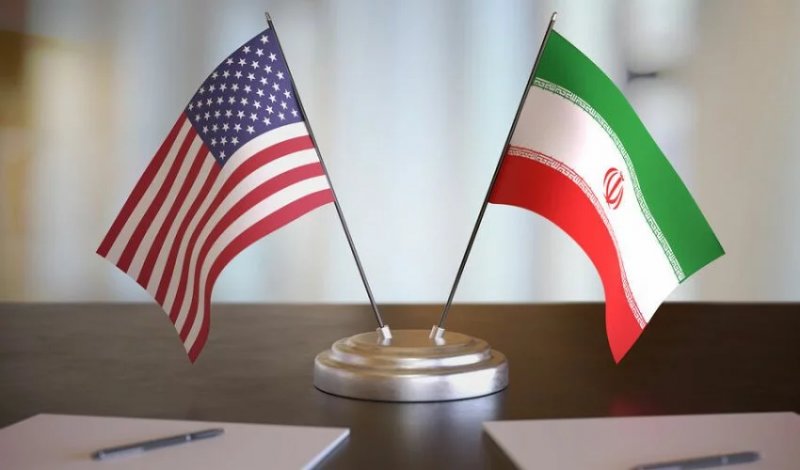
A new diplomatic initiative involving Iran, the United States and regional mediators has emerged at a critical moment in the ongoing conflict that has unsettled global energy markets and heightened fears of a wider regional war.
According to information circulating through diplomatic channels, a framework proposal has been exchanged that could lead to an immediate ceasefire and eventually a comprehensive settlement. At the centre of this initiative is a plan reportedly facilitated by Pakistan, with broader involvement from regional and global actors.
RECOMMENDED STORIES
The proposal, informally referred to as the “Islamabad Accord,” outlines a two tier process: first, an immediate cessation of hostilities and reopening of the Strait of Hormuz, and second, negotiations toward a longer term agreement addressing security, nuclear concerns and economic sanctions.
What is the proposed ceasefire plan?
The proposal is structured as a phased diplomatic framework designed to halt hostilities quickly while allowing time for deeper negotiations. The first phase calls for an immediate ceasefire between Iran and the United States. This step is intended to stabilize the situation on the ground and at sea, particularly in the strategically vital Strait of Hormuz.
The second phase envisions a broader agreement that would be negotiated over a period of approximately 15 to 20 days following the ceasefire. This comprehensive deal would address long standing issues such as Iran’s nuclear programme, sanctions relief, regional security arrangements and guarantees against future military escalation.
The proposal is expected to be formalised initially as a memorandum of understanding, likely exchanged electronically through Pakistan, which is acting as a central communication channel between the parties.
Why is the Strait of Hormuz so important?
The Strait of Hormuz is one of the most critical chokepoints in global energy supply. It connects the Persian Gulf to the Arabian Sea and is the primary route through which a significant portion of the world’s oil exports passes.
At times of heightened tension, any disruption in this narrow waterway can have immediate global consequences. Oil prices tend to spike, shipping insurance costs rise and energy markets become volatile. Even the threat of closure or conflict in the strait can trigger economic uncertainty far beyond the region.
Reopening and securing the Strait of Hormuz is therefore a central component of the proposed ceasefire. It is not only a military or political issue but also an economic priority for countries around the world.
Who is mediating the talks?
Pakistan appears to be playing a pivotal role in the current diplomatic push. Reports indicate that Pakistan’s military and political leadership have been actively engaged in shuttle diplomacy, communicating with both Iranian and American officials.
In addition to Pakistan, other countries such as Türkiye, Egypt and possibly China are also believed to be involved in various capacities as mediators or facilitators. These countries have maintained diplomatic channels with Iran and the United States and are seen as capable of bridging communication gaps.
The involvement of multiple mediators reflects the complexity of the conflict and the need for a coordinated international effort to de escalate tensions.
What is the role of Pakistan in this process?
Pakistan’s role is particularly noteworthy because it is reportedly acting as the primary communication channel between Iran and the United States. This suggests a high level of trust or at least functional cooperation between the parties and Islamabad.
Pakistan’s army chief, Field Marshal Asim Munir, is said to have been in continuous contact with senior American and Iranian officials, including the U.S. vice president and Iran’s foreign minister. This level of engagement indicates that the initiative is being treated with urgency.
Pakistan’s involvement also reflects its strategic interest in regional stability, given its geographic proximity and its relationships with both Western and Islamic world actors.
What has been the response from Iran?
As of now, Iran has not formally committed to the proposal. Reports suggest that while Tehran has received the plan and is engaged in discussions, it has yet to provide a definitive response.
Iranian officials have previously indicated that any ceasefire must include guarantees that the country will not face further attacks from the United States or Israel. This demand reflects a broader concern about long term security rather than just an immediate halt in fighting.
The lack of a clear response suggests that Iran is carefully evaluating the proposal, weighing both the potential benefits and the risks.
What is the position of the United States?
The United States appears to be open to the proposal, particularly the idea of a temporary ceasefire that could lead to a more permanent resolution. Statements from American leadership have emphasized the need for a rapid end to hostilities, coupled with warnings about potential consequences if no agreement is reached.
There are also indications that the United States is considering additional measures, including the formation of a coalition to secure the Strait of Hormuz and potential actions targeting Iranian energy infrastructure if diplomacy fails.
This dual approach combining diplomatic engagement with strategic pressure is consistent with previous U.S. policy in the region.
What are the key elements of the proposed agreement?
The proposed agreement includes several critical components.
Immediate ceasefire. A halt to military operations between Iran and the United States.
Reopening of the Strait of Hormuz. Ensuring safe passage for commercial shipping and stabilizing global energy markets.
Negotiation period. A 15 to 20 day window to finalize a comprehensive agreement.
Nuclear commitments. Iran would agree not to pursue nuclear weapons.
Sanctions relief. In exchange for nuclear commitments, economic sanctions on Iran would be eased.
Release of frozen assets. Iranian financial assets held abroad would be returned.
Regional security framework. A broader arrangement to ensure stability in the Persian Gulf.
These elements reflect a balance between security concerns and economic incentives.
What is the “Islamabad Accord”?
The term “Islamabad Accord” is being used informally to describe the proposed agreement. It reflects the central role of Pakistan in facilitating the talks and potentially hosting final negotiations.
If successful, the accord could become a landmark diplomatic achievement, similar to previous agreements that have shaped regional dynamics. However, at this stage, it remains a tentative concept rather than a finalized treaty.
Why now? What triggered this diplomatic push?
The timing of the proposal is closely linked to recent escalations in the conflict. Military actions, threats to shipping and rising tensions have created a sense of urgency among regional and global actors.
Energy markets have been particularly sensitive to developments in the Strait of Hormuz. Any prolonged disruption could have severe economic consequences, prompting major powers to push for a resolution.
Additionally, political considerations in the United States and other countries may be influencing the push for a ceasefire. Leaders are often under pressure to demonstrate progress in resolving conflicts, especially when economic stability is at stake.
What are the risks if the deal fails?
If the proposed agreement does not materialize, several risks could emerge.
Escalation of conflict. Military operations could intensify, leading to broader regional involvement.
Closure of the Strait of Hormuz. Even a partial disruption could have major economic impacts.
Energy market instability. Oil prices could surge, affecting global economies.
Humanitarian consequences. Increased conflict could lead to civilian casualties and displacement.
Breakdown of diplomacy. A failed initiative could make future negotiations more difficult.
These risks underscore the importance of the current diplomatic effort.
How does this compare to previous agreements with Iran?
The proposed framework shares some similarities with earlier agreements, particularly those related to Iran’s nuclear programme. For example, the emphasis on limiting nuclear activities in exchange for sanctions relief echoes past negotiations.
However, the current proposal goes further by incorporating regional security arrangements and addressing immediate military tensions. It is therefore broader in scope and more directly tied to ongoing conflict dynamics.
What role does China play in this situation?
China is believed to be one of the countries supporting the proposal, although its exact role remains unclear. As a major importer of oil from the region, China has a strong interest in maintaining stability in the Strait of Hormuz.
China has also positioned itself as a diplomatic actor in the Middle East in recent years, facilitating agreements and promoting dialogue. Its involvement could add weight to the proposal, particularly in terms of economic incentives.
What is the significance of sanctions relief?
Sanctions have had a significant impact on Iran’s economy, limiting its ability to trade, access financial markets and develop its energy sector. Relief from these sanctions would provide a major economic boost.
For Iran, sanctions relief is likely a key incentive to engage in negotiations. For the United States and its allies, it serves as a bargaining tool to secure commitments on nuclear and security issues.
What are the challenges to reaching an agreement?
Several challenges could complicate the negotiation process.
Trust deficit. Decades of tension have created deep mistrust between Iran and the United States.
Diverging priorities. Each side has different strategic objectives and red lines.
Regional dynamics. Other actors in the region may influence or complicate negotiations.
Domestic politics. Internal political considerations could affect decision making.
Implementation concerns. Even if an agreement is reached, ensuring compliance could be difficult.
These challenges highlight the complexity of the situation.
What happens next?
The immediate focus is on whether all parties can agree to the initial ceasefire. This would likely need to happen quickly, given the urgency expressed by mediators.
If the ceasefire is implemented, attention will shift to negotiating the comprehensive agreement. This phase will require intensive diplomacy and careful coordination among all stakeholders.
Final talks may take place in Islamabad, reflecting the central role of Pakistan in the process.
How are global markets reacting?
Global energy markets are closely watching developments. The possibility of reopening the Strait of Hormuz has the potential to stabilize prices, while uncertainty continues to drive volatility.
Investors and traders are particularly sensitive to any signs of escalation or de escalation, as these can have immediate effects on supply expectations.
What is the broader geopolitical impact?
The outcome of this initiative could have far reaching implications. A successful agreement could reduce tensions in the Middle East, improve economic stability and set a precedent for future diplomacy.
On the other hand, failure could deepen divisions, increase conflict risks and reinforce existing geopolitical rivalries.
Conclusion: a fragile but critical opportunity
The proposed ceasefire plan represents a significant diplomatic effort at a moment of heightened tension. It offers a pathway to immediate de escalation and the possibility of a more durable resolution.
However, the success of the initiative is far from guaranteed. It depends on the willingness of all parties to compromise, the effectiveness of mediation efforts and the broader geopolitical environment.
As the situation continues to evolve, the world will be watching closely. The stakes are high, not only for the countries directly involved but also for global stability and economic security.
By Faig Mahmudov


Similar news