How Goldman Sachs sees Brent oil above $100 if the Strait of Hormuz stays shut


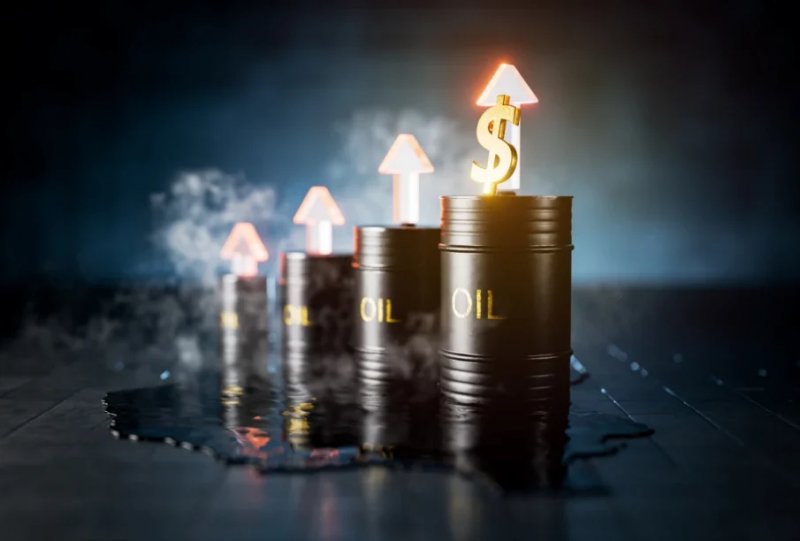
Goldman Sachs has warned that global oil prices could surge well above $100 per barrel if disruptions in the Strait of Hormuz persist, highlighting the fragility of energy markets amid escalating geopolitical tensions.
According to the bank’s latest analysis, Brent crude could move above $100 per barrel and remain elevated if the Strait stays largely closed or heavily restricted for an extended period.
RECOMMENDED STORIES
In more severe disruption scenarios, where flows remain constrained and production from major exporters is affected, prices could climb further toward the $110 to $120 range.
This outlook represents a significant upside risk compared to baseline expectations, which assume a gradual normalization of shipping activity.
Why the Strait of Hormuz matters so much
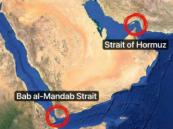
The Strait of Hormuz is one of the most critical energy chokepoints in the world, through which roughly one fifth of global oil supply passes under normal conditions.
Any disruption to traffic through this narrow corridor has immediate global consequences. Supply is reduced, shipping costs rise sharply, and uncertainty triggers speculative movements in the market.
Because multiple major oil exporters rely on this route simultaneously, the impact is amplified compared to localized disruptions elsewhere.
Why prices react so sharply
Oil markets are highly sensitive to supply shocks, particularly when spare production capacity is limited. Even partial disruptions can shift market sentiment quickly, pushing prices upward.
In the current situation, reduced tanker traffic and heightened security risks have already constrained flows. Traders tend to price in worst case scenarios, which further accelerates price increases.
How the current situation evolved
The disruption is linked to rising tensions involving Iran and Western actors, which have affected shipping safety and access through the Strait.
Although temporary de escalation signals have emerged, uncertainty remains high. Shipping companies and insurers continue to act cautiously, preventing a full return to normal operations.
Why Goldman sees risks tilted upward
Goldman’s outlook emphasizes that risks are skewed to the upside. This means that developments are more likely to push prices higher than lower in the short term.
Several factors drive this assessment:
The duration of the disruption
The scale of production losses
The willingness of shipping firms to resume operations
Potential geopolitical escalation
If any of these factors worsen, the market could tighten further, leading to sustained high prices.
How global energy dynamics amplify the impact
The current global energy environment leaves little room for shocks. Demand remains relatively strong, while supply growth has been uneven.
Alternative routes and запас capacities cannot fully compensate for a prolonged closure of the Strait. This structural constraint magnifies the effect of disruptions.
At the same time, ongoing geopolitical tensions across multiple regions contribute to a broader sense of instability in energy markets.
What this means for the global economy
A sustained rise in oil prices above $100 would have significant economic consequences. Higher fuel costs would feed into inflation, increasing transport and production expenses across industries.
Energy importing countries would face greater financial pressure, while consumers could see rising costs in everyday goods and services.
In previous cycles, prolonged periods of high oil prices have been associated with slower economic growth and tighter monetary conditions.
What happens next
The trajectory of oil prices now depends heavily on geopolitical developments and the operational status of the Strait of Hormuz.
If shipping resumes and flows normalize, prices could stabilize. However, if restrictions persist or intensify, the market could enter a prolonged period of elevated prices.
For now, the warning underscores a key reality: the global oil market remains highly vulnerable to disruptions at critical chokepoints, and the Strait of Hormuz continues to be one of the most important.
By Faig Mahmudov


Similar news