Oil prices steady after logging steep losses on Trump jitters, demand uncertainty


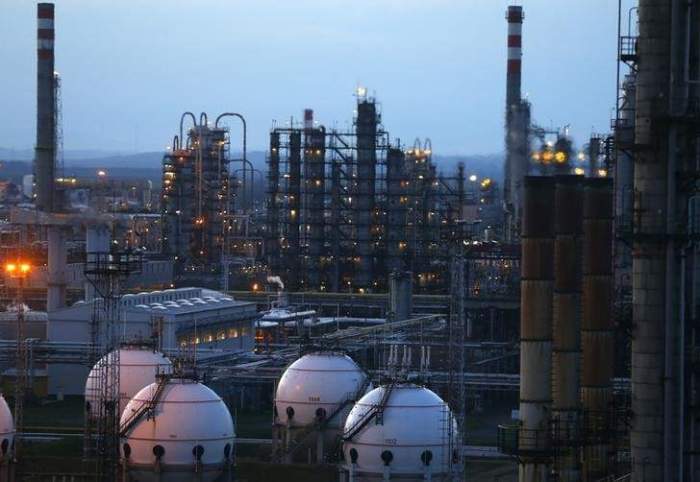
Photo: Investhing
Oil prices steadied in Asian trade on Tuesday after logging steep losses over the past week on concerns over increased supplies under U.S. President Donald Trump, as well as doubts over long-term demand , News.az reports citing Investhing.
Chinese markets are closed for the week-long Lunar New Year holiday.
Crude prices were also hit by a broader risk-off move in financial markets, with losses in equities- on concerns over a disruptive new artificial intelligence model from China- spilling over into other markets.
Brent oil futures expiring in March rose 0.2% to $77.21 a barrel, while West Texas Intermediate crude futures rose 0.2% to $73.30 a barrel by 20:25 ET (01:25 GMT).
Trump energy plan, OPEC comments dent crude
Oil prices sank some 5% in the past week, with losses coming after Trump declared a national energy emergency and called for a ramp-up in U.S. production.
While analysts doubted the move would increase near-term oil supplies, Trump’s plans do herald an eventual increase in U.S. oil output, which already averaged at record highs of over 13 million barrels per day in 2024.
Trump also called on the Organization of Petroleum Exporting Countries to increase production and to bring down oil prices.
Oil markets were also on edge over Trump’s plans to impose trade tariffs on major economies, especially China. Any more economic headwinds for China are expected to further dent the country’s appetite for crude.
China PMIs, DeepSeek spur demand fears
Oil prices were also hit by concerns over softer energy demand on the prospect of more efficient artificial intelligence models, after the release of China’s DeepSeek R1.
The model claims to match competitors such as ChatGPT in performance at a fraction of the cost and processing power.
DeepSeek raised questions over just how much investment and expansion in data center infrastructure was justified. Fewer data centers point to lower energy demand.
Oil was also pressured by softer-than-expected Chinese purchasing managers index data, which showed local business activity was slowing despite recent stimulus measures from Beijing.


Similar news