Orban proposes ‘strategic cooperation’ with Ukraine, warns EU membership would ‘drag the war’ into Europe


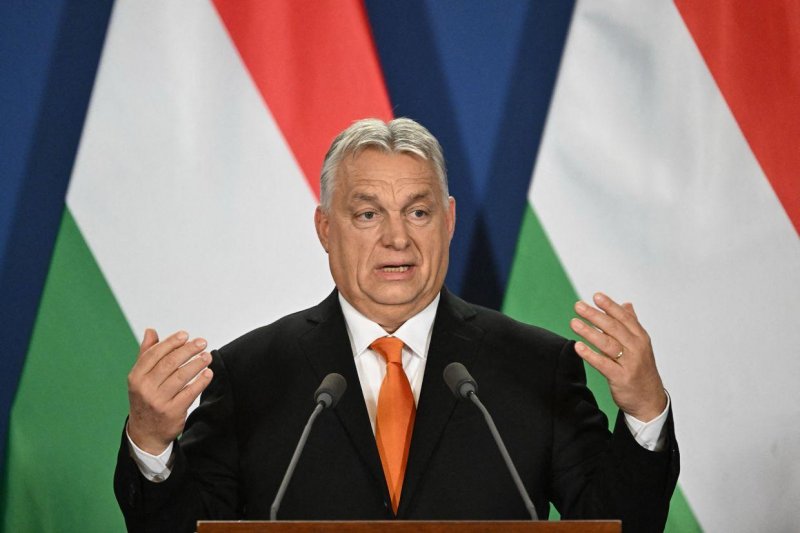
Hungarian Prime Minister Viktor Orban has outlined a new approach toward Ukraine, suggesting “strategic cooperation” instead of full European Union membership. Orban argues that Kyiv’s accession to the EU risks dragging the war into the heart of Europe.
In a post on X (formerly Twitter) on July 25, Orban stated, “EU membership for Ukraine would drag the war into the heart of Europe, a risk our families should not have to face. These times call for calm judgement, not theatrical threats,” News.Az reports, citing foreign media
Orban described Hungary’s proposed partnership with Ukraine as “pragmatic, flexible, and rooted in mutual interest — not irreversible integration.” He also referred to Ukraine as a “buffer state” between Russia and the EU, a role Hungary experienced during the Cold War.
“Today, Ukraine’s fate is to be a buffer state bordering Russia... We were also a buffer state during the Cold War,” Orban said. “We do not want to return to this position.”
Hungary claims strong public opposition to Ukraine’s EU membership. A government-led national consultation held in June indicated that 95% of participants rejected Kyiv’s accession. Orban himself publicly opposed EU membership for Ukraine, even sharing a photo of his ballot in April.
However, critics have questioned the legitimacy of the consultation. The Hungarian news site Telex reported that the voting system was vulnerable to manipulation, with users able to vote multiple times using different email addresses. Opposition leader Peter Magyar labeled the consultation a “government propaganda campaign” and cited internal postal data showing only a 3-7% return rate on mailed ballots — the lowest turnout for such a poll in Hungary’s history.
Ukraine applied for EU membership shortly after Russia’s full-scale invasion in 2022 and was granted candidate status within months. As an EU member, Hungary holds veto power over Ukraine’s future accession steps.
Orban’s government, often described as authoritarian and accused of undermining democratic norms, has frequently delayed military aid to Ukraine, maintained close ties with Russian President Vladimir Putin, and echoed Kremlin narratives.


Similar news