Pakistan accused of hosting Iranian military aircraft amid fragile US-Iran ceasefire



Pakistan is facing scrutiny after U.S. officials claimed that Iranian military aircraft were allowed to park at Pakistani airfields during a fragile ceasefire between the United States and Iran, according to sources familiar with the matter.
U.S. officials told CBS News that Tehran moved several aircraft, including a reconnaissance variant of the RC-130 transport plane, to Nur Khan Air Base near Rawalpindi days after President Donald Trump announced a ceasefire agreement in early April. The officials said the relocation may have been intended to shield Iranian military assets from potential U.S. airstrikes, News.Az reports, citing Yahoo.
At the same time, Iran reportedly sent civilian aircraft to Afghanistan, though it was unclear whether any military aircraft were included in those movements. Officials suggested the transfers reflected efforts to protect remaining Iranian aviation and military equipment as tensions escalated.
RECOMMENDED STORIES
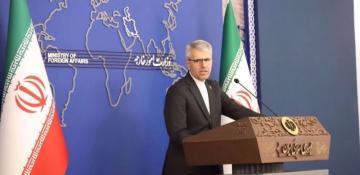
A senior Pakistani official rejected claims that military aircraft were hidden at the airbase, arguing that any large aircraft presence would be visible in the densely populated area. Pakistan’s Ministry of Foreign Affairs confirmed that Iranian aircraft were in the country but said they arrived during the ceasefire period and were not connected to any military contingency. The ministry said the aircraft were intended to facilitate movement of diplomatic personnel if peace talks were scheduled.
The statement added that while formal negotiations had not resumed, limited diplomatic exchanges between the sides continued.
In Afghanistan, a civil aviation official said an Iranian civilian aircraft operated by Mahan Air had been moved from Kabul to Herat for safety reasons during earlier regional tensions. However, Taliban spokesperson Zabihullah Mujahid denied the presence of Iranian aircraft in the country.
The developments come as Pakistan continues to balance relations with both Washington and Tehran, while maintaining close military and economic ties with China, which supplies a majority of its defense equipment.
The situation unfolds alongside continued instability around the Strait of Hormuz, where small-scale clashes and drone strikes have been reported despite a declared ceasefire. U.S. officials said Iranian proposals for ending the conflict included demands such as sanctions removal and recognition of sovereignty over the strait, which were rejected by President Trump as unacceptable.
The fragile truce remains under pressure as diplomatic efforts continue amid ongoing regional tensions.
By Leyla Şirinova


Similar news