Pollution crisis: Delhi sees surge in respiratory illnesses


New Delhi recorded over 200,000 cases of acute respiratory illnesses at six state-run hospitals between 2022 and 2024, according to government data, underscoring the harmful impact of toxic air on public health.
Delhi, home to a sprawling metropolitan population of 30 million, is frequently ranked among the world’s most polluted capitals, News.Az reports, citing AFP.
India’s health ministry told parliament on Tuesday that air pollution is a key factor contributing to respiratory ailments.
“Analysis suggests that increase in pollution levels was associated with increase in number of patients attending emergency rooms,” junior health minister Prataprao Jadhav said in a written reply.
Over 30,000 patients with respiratory illnesses required hospitalisation over the three-year period.
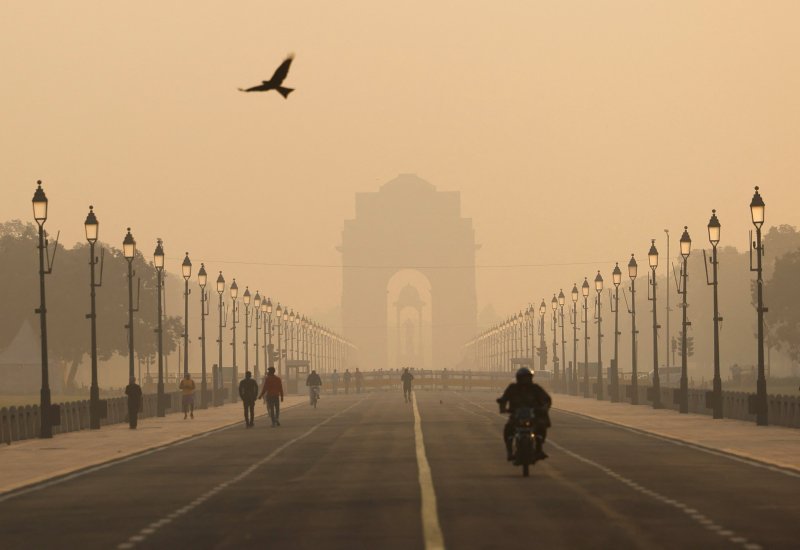
Acrid smog blankets Delhi’s skyline each winter, when cooler air traps pollutants near the ground, combining emissions from crop burning, factories, and heavy traffic into a deadly mix.
Levels of PM2.5—tiny, cancer-causing particles that can enter the bloodstream—sometimes spike up to 60 times the UN’s daily health limits.
A study published last year in The Lancet Planetary Health estimated that 3.8 million deaths in India between 2009 and 2019 were linked to air pollution.
The United Nations children’s agency warns that polluted air puts children at a heightened risk of acute respiratory infections.
The health ministry, however, noted that air pollution alone cannot be blamed for hospitalisations.
“Health effects of air pollution are a synergistic manifestation of factors which include food habits, occupational habits, socio-economic status, medical history, immunity, heredity, etc.,” it said.


Similar news