Portugal rejects EU army plan, backs NATO


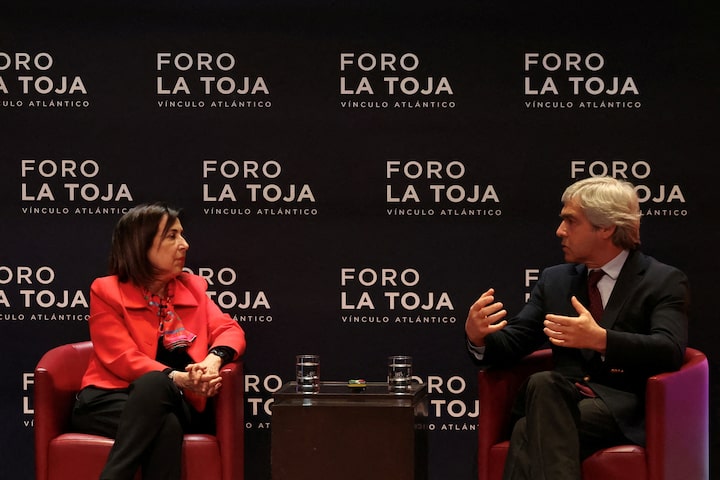
Portugal has rejected the idea of creating a separate European army, drawing a clear contrast with neighbouring Spain’s more integration-focused defence stance.
Portuguese Defence Minister Nuno Melo said the country does not support forming a single EU military force and instead prioritises strengthening national armed forces within the NATO framework, News.Az reports, citing Reuters.
Speaking to a parliamentary committee in Lisbon, Melo stressed that Portugal remains firmly committed to the U.S.-led alliance NATO, calling the United States a “fundamental transatlantic partner.”
RECOMMENDED STORIES
“We’re not in favour of a single European army,” he said, adding that Portugal’s defence strategy is focused on ensuring its military can fully operate within NATO missions.
The comments come amid growing debate in Europe over how the continent should organise its defence at a time of heightened geopolitical uncertainty and questions about long-term U.S. security commitments.
Spain, by contrast, has recently pushed for deeper European defence integration, including the idea of a joint European army as a potential deterrent force. Spanish Defence Minister Margarita Robles has been among those advocating stronger EU-level coordination in military capabilities.
However, NATO Secretary-General Mark Rutte has dismissed the idea of a separate European army, arguing it would duplicate existing structures and significantly increase costs for member states. He has instead encouraged allies to meet higher defence spending targets agreed within the alliance.
Portugal has recently increased its defence spending under NATO criteria, reaching 2% of GDP in 2025—four years ahead of its original timeline. The government says this reflects its commitment to modernising its armed forces.
At the same time, Lisbon has applied for €5.8 billion in EU loans under the Security Action for Europe initiative, a wider EU programme aimed at strengthening defence capacity and joint procurement of military equipment such as drones, frigates, satellites, and armoured vehicles.
The debate highlights a widening divide within Europe over how far defence integration should go, and whether security should remain primarily anchored in NATO or evolve into a more independent European military structure.
By Aysel Mammadzada


Similar news