Steve Jobs on the hidden truth that changes everything


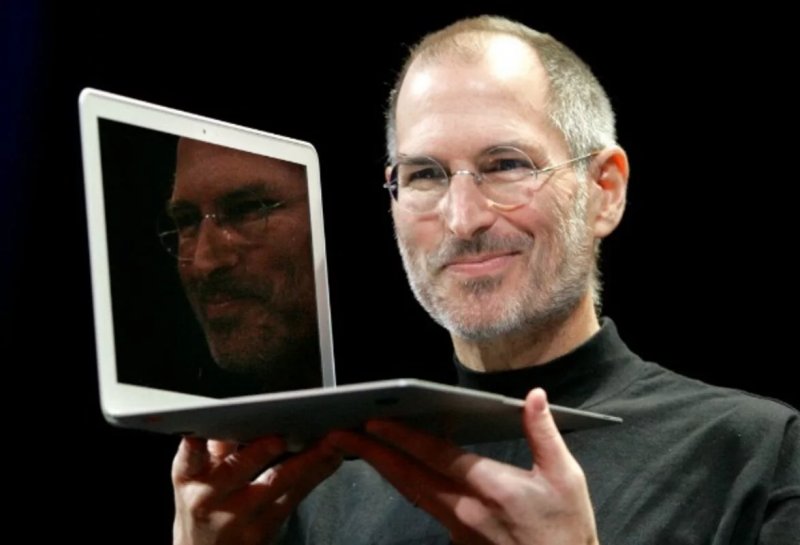
In a rare 1994 interview that continues to resonate decades later, Apple co-founder Steve Jobs revealed a fundamental shift in perspective that he believed separated those who merely exist from those who change the world.
The core of his philosophy centers on the realization that the world is not a fixed, immovable object that one must simply navigate, News.Az reports, citing EconomicTimes.IndiaTimes.
Instead, Jobs argued that most people live within a small, self-imposed box, operating under the assumption that life is something that just happens to them and that their goal should be to stay within the lines and avoid hitting the walls too hard.
RECOMMENDED STORIES
The moment of true transformation occurs when an individual realizes that everything they see around them—the laws, the infrastructure, and the social norms—was constructed by people who were no smarter than they are. This realization shatters the illusion of a pre-determined reality and introduces the idea that life is actually quite fluid. Jobs described this as the ability to "poke" life, suggesting that when you exert pressure on a system, something will inevitably change on the other side.
By understanding that the environment is man-made, a person moves from being a passive observer to an active participant who can influence, shape, and build their own version of the future.
This shift in mindset is not just about professional success but about a deep, internal change in how one perceives their own agency. Jobs insisted that once you drop the "erroneous notion" that life is fixed, you gain the power to leave your own mark on the world.
He believed that this psychological breakthrough is permanent; once you understand that you have the power to mold your surroundings, you will never be the same again. This philosophy remains a cornerstone of the Apple legacy, encouraging a relentless pursuit of innovation based on the simple fact that the status quo is merely a suggestion rather than a rule.
By Leyla Şirinova


Similar news