The rise of Azerbaijan’s regions: New opportunities and challenges


Since the 2010s, Azerbaijan has significantly strengthened its position on the international stage, emerging as a notable player due to its stable economic growth. The oil and gas sector has remained the primary driver of this progress, continuing to serve as the backbone of the economy. However, despite its external economic reliance on energy resources, Azerbaijan has made substantial strides in diversifying its economy. This has led to notable advancements in agriculture, trade, and tourism, despite ongoing challenges in regional development.
Economic growth in Azerbaijan has been uneven, leading to pronounced disparities between Baku and other regions. The capital continues to attract the lion’s share of investment, fostering job creation and an improved quality of life. In contrast, many regions still struggle with employment opportunities, infrastructure development, and social services. Each of Azerbaijan’s 14 economic districts possesses unique characteristics and resources that shape its economic role. For instance, the northern regions are primarily engaged in agriculture, while the southern districts focus on agro-industrial development and have potential for oil and gas extraction.
Recognizing the need for balanced economic growth, Azerbaijan has prioritized regional development as a key state policy. A pivotal step in this direction was the implementation of the State Program for the Socio-Economic Development of the Regions of Azerbaijan for 2014–2018. This initiative led to large-scale infrastructure projects, including the construction of roads, bridges, and modernization of utilities and energy systems, significantly improving living standards outside the capital.
However, despite government efforts, challenges persist in the practical implementation of these programs. One of the major obstacles is the lack of resources in remote areas, hindering the execution of various projects. Additionally, shortages of skilled labor and weaknesses in local governance limit the regions’ ability to fully realize their economic potential.
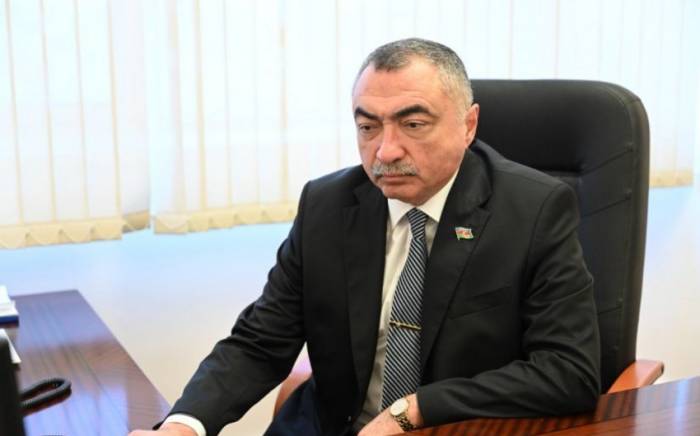 Dr. Rufat Guliyev, a Doctor of Economics, Professor, and member of the fourth convocation of the Azerbaijani Parliament
According to Professor Rufat Guliyev, PhD in economics and ex-member of the Azerbaijani Parliament, regional socio-economic development has become a top government priority in recent years. “The primary goal is to narrow the gap between regional development and that of Baku. Key strategies include infrastructure investment, fostering entrepreneurship, and introducing new economic legislation,” he explained.
One significant legislative advancement has been the Cooperation Law, adopted over the past decade. “This law has greatly improved the investment climate in the regions, paving the way for job creation and the expansion of microbusiness,” Guliyev noted. “It has played a crucial role in encouraging entrepreneurship and enabling people to establish businesses outside the capital.”
Guliyev also highlighted the growing potential of microbusinesses in rural areas: “We are witnessing a steady rise in microbusiness opportunities, leading to an increase in the number of entrepreneurs. Many individuals who previously relied on social benefits are now building independent livelihoods, which is a crucial step toward economic self-sufficiency.”
Another key tool for regional economic growth has been the self-employment program. “This initiative is essential for fostering entrepreneurship in the regions. It not only supports agricultural expansion but also promotes the establishment of local processing industries,” Guliyev stated.
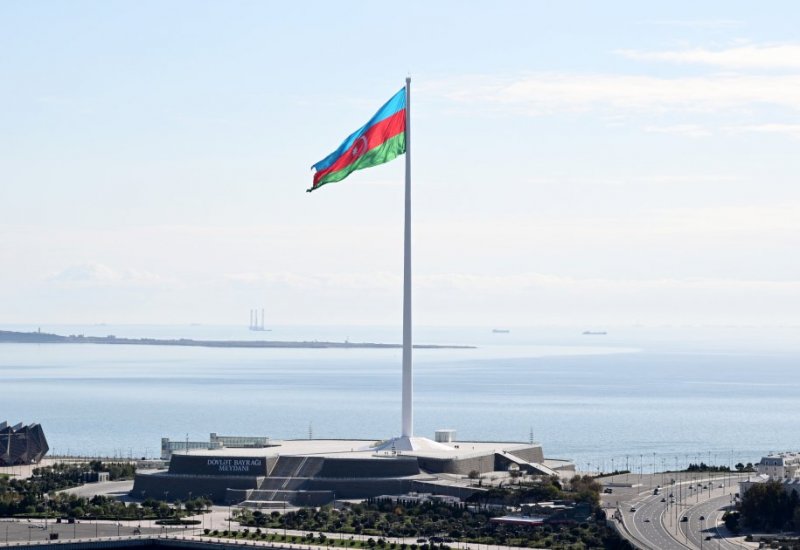
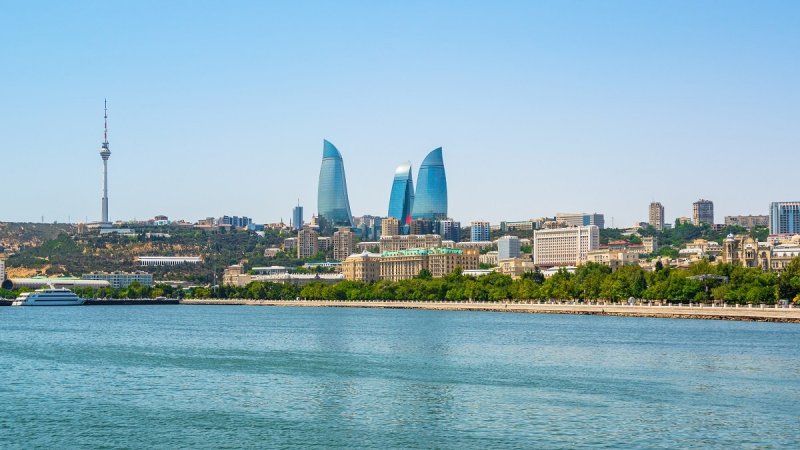 Baku is the capital city of Azerbaijan with coastline along the Caspian Sea. Photo: Azerbaijan Tourism Board
Tourism has also emerged as a critical sector in Azerbaijan’s regional development strategy. “Tourism plays a vital role in boosting local economies,” Guliyev emphasized. “The government has been actively creating conditions for the development of small hotels, enhancing tourism infrastructure, and improving service quality. These measures have opened new employment opportunities in rural areas, supporting local communities and improving living conditions.”
Expanding on the broader economic impact of tourism, he noted: “Tourism stimulates growth in related industries such as restaurants, cafés, and souvenir production, all of which contribute to the socio-economic well-being of the population.”
A crucial element of regional development remains economic diversification, with agriculture continuing to play a central role. “Agriculture is the backbone of many regional economies,” Guliyev stressed. “To enhance productivity and profitability, we must focus on developing processing industries within the regions. This will not only boost production capacity but also create added value.”
Infrastructure development is another key focus. “Expanding and modernizing roads, airports, hotels, and other essential facilities is fundamental to supporting regional economic growth,” he added.
Migration patterns also reflect the shifting economic landscape. For decades, a significant outflow of people from rural areas to Baku created strain on the capital’s infrastructure while leaving regions with a shortage of skilled professionals. However, Guliyev sees positive trends: “In the past seven years, we have observed a stabilization and even a reversal of migration. Improved conditions for entrepreneurs—particularly favorable tax policies in the regions compared to Baku—have encouraged the growth of small and medium-sized businesses, creating new jobs and revitalizing local economies.”
Education is also playing an increasing role in regional development. “For example, vocational training in Lankaran is at a high level, preparing specialists for agriculture and processing industries—sectors that are crucial for regional growth,” Guliyev noted.
While Baku will likely remain Azerbaijan’s economic center, Guliyev believes that the regions are catching up. “This transformation is already underway, and it will continue as we move toward a more balanced economic model,” he asserted. “Azerbaijan’s regional development strategy mirrors the European approach, where gradual but steady progress allows regions to achieve living standards comparable to the capital.”
In conclusion, Guliyev emphasized: “The socio-economic landscape of Azerbaijan’s regions has improved significantly in recent years, thanks to policies aimed at supporting entrepreneurship, job creation, and infrastructure modernization. However, for sustainable long-term development, we must continue investing in agriculture, tourism, processing industries, and educational infrastructure.”
The material was prepared with the financial support of the Media Development Agency of the Republic of Azerbaijan.



Similar news