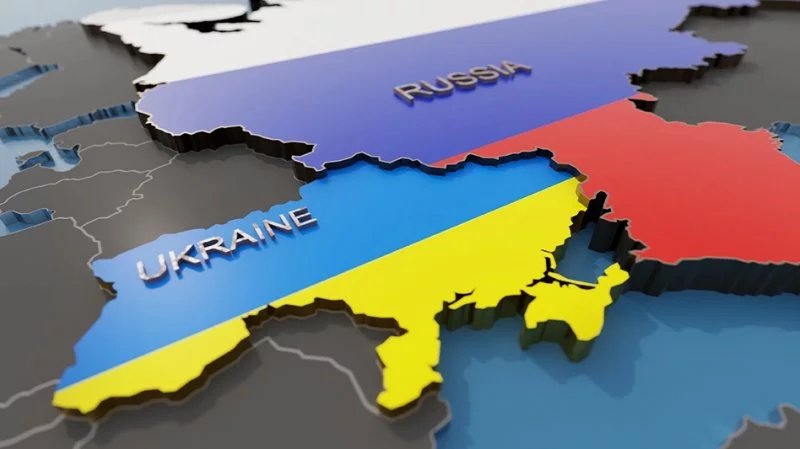
Fighting remained intense in eastern and southern Ukraine, particularly along long-contested axes where control shifted by meters rather than kilometers. At the same time, Kyiv pursued diplomatic engagement with Western partners, while Moscow focused on sustaining military pressure and reinforcing its narrative of strategic endurance.
This weekly chronogly traces key developments day by day, highlighting battlefield activity, political statements, diplomatic contacts, and broader strategic implications.
January 26, 2026 – Pressure mounts along the eastern front
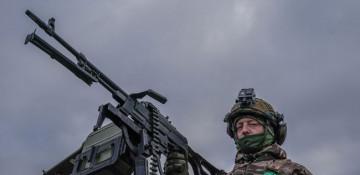
The week began with renewed fighting along sections of the eastern front, particularly in the Donetsk and Luhansk regions. Ukrainian military officials reported continued Russian attempts to probe defensive positions using small assault groups supported by artillery and drones.
Russian forces appeared to prioritize attritional tactics rather than rapid territorial advances. Analysts noted that Moscow’s approach focused on exhausting Ukrainian manpower and resources, especially in areas that have been contested for months. Ukrainian units, meanwhile, emphasized layered defenses and counter-battery fire aimed at limiting Russian artillery dominance.
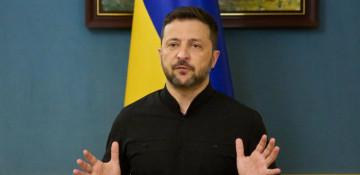
In Kyiv, President Volodymyr Zelenskyy held consultations with military commanders, stressing the importance of maintaining defensive cohesion while preparing for potential shifts in Russian tactics as winter conditions eased.
January 27, 2026 – Drone warfare intensifies
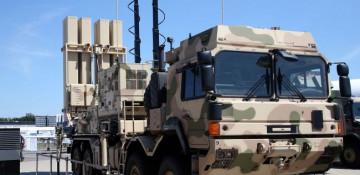
On Tuesday, drone warfare once again featured prominently. Ukrainian air defense systems reported intercepting multiple waves of Russian unmanned aerial vehicles targeting energy infrastructure and logistical hubs. While most drones were neutralized, several caused localized damage, leading to temporary power disruptions in some regions.
Ukraine also acknowledged its own long-range drone operations, aimed at military-related facilities deep inside Russian territory. These actions underscored how both sides increasingly rely on unmanned systems to extend their reach while avoiding direct large-scale missile exchanges.
In Moscow, officials condemned Ukrainian drone strikes as escalatory, reiterating that Russia would respond “at a time and place of its choosing.” The rhetoric reflected a familiar pattern: public restraint combined with warnings designed to deter further Ukrainian operations.
January 28, 2026 – Diplomatic signals and strategic messaging
Midweek saw renewed diplomatic activity. Ukrainian officials engaged in talks with representatives from several European states, focusing on military assistance, air defense supplies, and long-term security guarantees. Kyiv emphasized that sustained support remained critical as the conflict showed no signs of immediate resolution.
President Zelenskyy reiterated that Ukraine remained open to negotiations but insisted that any talks must respect Ukraine’s sovereignty and territorial integrity. He stressed that dialogue without concrete security guarantees would not produce lasting peace.
Meanwhile, Russian officials continued to frame the conflict as a broader confrontation with the West. Statements from Moscow accused NATO countries of prolonging the war by supplying advanced weaponry to Ukraine, reinforcing Russia’s narrative that it is resisting external pressure rather than fighting Ukraine alone.
January 29, 2026 – Fighting around key logistics corridors
Thursday brought reports of intensified clashes near several logistics corridors used by Ukrainian forces to resupply frontline units. Russian artillery targeted roads and rail links, seeking to disrupt supply chains rather than seize territory outright.
Ukrainian forces responded with precision strikes against Russian artillery positions and command posts, aiming to blunt the impact of sustained shelling. Military sources described the situation as “fluid but controlled,” acknowledging the difficulty of defending extended supply routes under constant fire.
Civilian authorities in frontline regions continued evacuation efforts, particularly for elderly residents and families with children. Despite repeated appeals, many civilians chose to remain, citing lack of alternatives or attachment to their homes.
January 30, 2026 – International reactions and alliance dynamics
On Friday, international attention returned to the war as several Western leaders commented on the state of the conflict. Statements emphasized continued support for Ukraine while also acknowledging growing concerns about defense stockpiles and long-term sustainability.
Within NATO, discussions reportedly focused on balancing support for Ukraine with broader alliance readiness. While no major policy shifts were announced publicly, officials signaled that assistance would increasingly emphasize efficiency, training, and domestic production rather than ad hoc emergency transfers.
In Russia, state media highlighted what it described as signs of “fatigue” among Ukraine’s allies. Analysts noted that such messaging is central to Moscow’s strategy of projecting inevitability and resilience, even as the war continues to impose economic and human costs on Russia itself.
January 31, 2026 – Humanitarian impact and civilian resilience
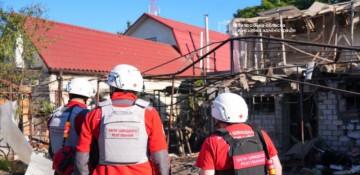
Saturday’s developments underscored the humanitarian dimension of the war. Ukrainian authorities reported ongoing challenges in providing heating, water, and medical care in areas close to the front. Repair crews worked under difficult conditions to restore damaged infrastructure amid intermittent shelling.
Human rights organizations raised concerns about the cumulative psychological toll on civilians, particularly children who have spent much of their lives under the shadow of war. Ukrainian officials emphasized the need for continued international assistance not only for military purposes but also for humanitarian recovery and social resilience.
In Russia, regional authorities in border areas maintained heightened security measures, citing the risk of cross-border incidents. Although daily life largely continued, the presence of air defense systems and emergency drills served as reminders of the war’s proximity.
February 1, 2026 – Strategic stalemate and future outlook
The week concluded with a sense of strategic stalemate. Neither side achieved a decisive breakthrough, yet both demonstrated their capacity to sustain operations and adapt tactics.
Ukrainian leadership framed the current phase as one of endurance and preparation. Officials argued that maintaining defensive lines while gradually improving capabilities remains the most realistic path forward until conditions for meaningful negotiations emerge.
Russian officials, for their part, reiterated that their objectives remain unchanged. Statements emphasized patience and long-term resolve, suggesting that Moscow views time as a strategic ally.
As February began, observers noted that the conflict increasingly resembles a prolonged contest of resources, political will, and societal resilience rather than a war defined by rapid advances or dramatic turning points.
Broader analysis – What this week reveals
This week’s developments highlight several enduring features of the Ukraine–Russia war.
First, the battlefield remains dominated by attrition. Incremental gains and losses, combined with heavy reliance on artillery and drones, suggest that neither side currently possesses the capability or political conditions necessary for decisive maneuver warfare.
Second, diplomacy continues in parallel with fighting, but largely as a tool for signaling rather than resolution. Both Kyiv and Moscow use diplomatic engagement to shape international perceptions, secure support, and reinforce their respective narratives.
Third, the war’s impact on civilians remains profound. Infrastructure damage, displacement, and psychological stress continue to define daily life for millions, underscoring that the conflict is not only a military struggle but also a long-term humanitarian crisis.
Finally, international dynamics remain central. Ukraine’s ability to sustain resistance depends heavily on external support, while Russia’s strategy appears increasingly focused on outlasting that support by projecting endurance and exploiting political divisions abroad.
Conclusion
The period from January 26 to February 1, 2026, did not produce dramatic headlines or decisive shifts, yet it encapsulated the reality of the Ukraine–Russia war in its current phase: persistent fighting, careful diplomacy, and a deepening sense that the conflict has entered a long, grinding chapter.
As both sides prepare for the months ahead, the key question remains whether endurance alone will shape the outcome, or whether political, military, or diplomatic factors will eventually break the stalemate. For now, the war continues, day by day, reshaping the region and testing the limits of resilience on all sides.