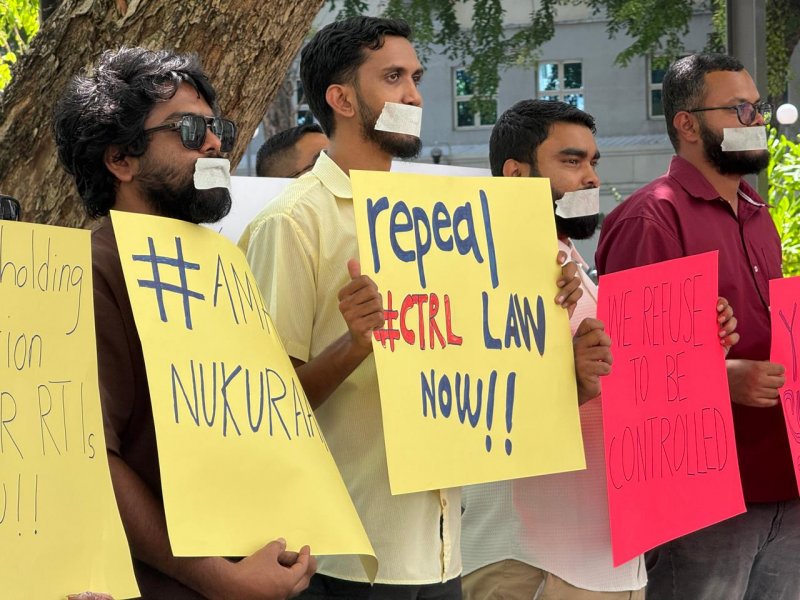
The case has attracted international attention because it involves the imprisonment of media workers over politically sensitive reporting connected to the country’s leadership.
Critics say the development raises serious concerns about media intimidation and the treatment of independent journalism in the Maldives, while supporters of the legal action argue that false accusations and defamatory reporting must also face legal scrutiny.
The controversy has quickly become part of a larger conversation about political power, media rights, and democratic governance in the country.
Who are the journalists involved?
Reports indicate that the detained individuals are journalists connected to local media reporting that published or circulated allegations concerning the president’s private life.
Authorities have reportedly accused them of offenses linked to their reporting activities, though the exact charges may vary depending on the legal framework used by prosecutors.
Cases involving journalists often become highly politicized, especially when reporting concerns senior political figures or allegations involving national leadership.
International press freedom groups frequently monitor such cases closely because they can set precedents affecting broader media freedoms.
What were the allegations about?
The controversy centers around reports alleging that the president was involved in an affair.
Such allegations quickly spread attention online and in political circles, particularly because political scandals involving national leaders often generate intense public interest.
Authorities reportedly argued that the reporting crossed legal boundaries or involved false or defamatory claims.
Critics, however, argue that imprisoning journalists over politically sensitive reporting threatens democratic norms and undermines independent journalism.
Because investigations and legal proceedings may still be ongoing, many details surrounding the allegations remain disputed.
Why has the case drawn international attention?
The imprisonment of journalists often attracts global scrutiny because press freedom is considered a key component of democratic governance.
International organizations, rights groups, and media advocates typically monitor cases involving:
Arrests of reporters
Media censorship
Political intimidation
Restrictions on free speech
Defamation prosecutions
Government pressure on independent media
The Maldives has periodically faced criticism over political polarization and concerns about democratic institutions, making the case especially sensitive internationally.
What is the state of press freedom in the Maldives?
Press freedom in the Maldives has experienced periods of both openness and pressure over the years.
The country has undergone significant political changes since transitioning from decades of authoritarian rule toward a multiparty democratic system.
However, journalists and activists have at times reported challenges including:
Political pressure
Legal threats
Harassment
Defamation concerns
Self censorship
Online intimidation
Safety risks
Media freedom advocates argue that strong protections for journalists are essential in democratic societies, especially when reporting on powerful political figures.
Does the Maldives have laws against defamation?
Like many countries, the Maldives has laws that may be used in cases involving defamation, false information, or alleged harm to reputation.
Supporters of such laws argue they protect individuals from damaging false accusations.
Critics, however, warn that defamation laws can sometimes be used to suppress investigative journalism or silence political criticism.
International human rights organizations often advocate for civil rather than criminal penalties in defamation related disputes, particularly when journalists are involved.
Why are cases involving journalists politically sensitive?
Journalists play a central role in investigating and reporting on political leaders, government conduct, and public controversies.
When reporters face arrest or imprisonment connected to their work, critics often fear broader consequences for:
Freedom of expression
Government accountability
Public transparency
Political debate
Investigative reporting
Democratic institutions
Cases involving national leaders are especially controversial because they can create perceptions of political retaliation or abuse of state power.
How have rights groups reacted?
Press freedom organizations and rights advocates often condemn the detention or imprisonment of journalists, especially when cases involve reporting on public officials.
Such groups may call for:
Immediate release
Fair trials
Independent investigations
Legal reforms
Protection for media workers
Safeguards for free expression
Critics generally argue that imprisoning journalists can create a chilling effect that discourages investigative reporting and public scrutiny of government actions.
How do governments usually defend actions against journalists?
Governments facing criticism over journalist arrests often argue that no one is above the law and that legal systems must address issues such as:
Defamation
False information
National security concerns
Privacy violations
Public order
Incitement
Officials may insist that legal actions are not attacks on press freedom but rather enforcement of existing laws.
The balance between protecting reputations and safeguarding free expression remains highly debated globally.
What role does social media play in such controversies?
Social media can rapidly amplify political scandals and allegations, often spreading information faster than traditional news organizations.
This creates challenges involving:
Misinformation
Verification
Online harassment
Political polarization
Reputation damage
Public pressure
Governments worldwide increasingly struggle with how to regulate online content while respecting free speech rights.
Journalists working in politically sensitive environments may face additional risks when stories spread widely across digital platforms.
Could the case affect the Maldives’ international image?
Yes. Cases involving jailed journalists can affect how countries are viewed internationally, particularly regarding democracy, governance, and human rights.
The Maldives is heavily dependent on international tourism and maintains close diplomatic relationships with numerous global partners.
International criticism involving media freedom could potentially influence:
Diplomatic relations
Human rights assessments
Foreign investment perceptions
International reputation
Tourism related confidence
Governments often seek to avoid prolonged international controversies involving democratic freedoms.
Has the Maldives faced political instability before?
The Maldives has experienced periods of political turbulence and institutional tension over the past two decades.
Political disputes have at times involved:
Leadership struggles
Court controversies
Opposition crackdowns
Protests
Corruption allegations
Democratic reform debates
The country transitioned toward multiparty democracy relatively recently compared with many other nations, and political competition has sometimes been highly polarized.
Why is press freedom considered important in democracies?
Press freedom is widely viewed as a cornerstone of democratic governance because independent media helps:
Hold governments accountable
Investigate corruption
Inform the public
Encourage political debate
Expose abuses of power
Promote transparency
Without independent journalism, critics argue that citizens may have less access to reliable information about political leaders and state institutions.
This is why journalist arrests often generate strong reactions from rights organizations and international observers.
Can journalists be prosecuted for false reporting?
In many countries, journalists can face legal consequences if courts determine they knowingly published false or defamatory information.
However, international media freedom advocates generally argue that criminal imprisonment for reporting activities should be avoided except in extremely limited circumstances.
Critics often warn that aggressive legal action against journalists can discourage investigative reporting and weaken democratic oversight.
Balancing reputation protection with press freedom remains a difficult legal and political issue worldwide.
How could this affect journalists in the Maldives?
Cases involving jailed journalists can create fear and uncertainty within media communities.
Possible effects may include:
Increased self censorship
Reduced investigative reporting
Fear of legal consequences
Greater caution covering political leaders
Pressure on independent outlets
Concerns about journalist safety
Media advocates worry that such environments can weaken public debate and reduce accountability.
Could the case spark political backlash?
Potentially yes.
Opposition parties, activists, and civil society groups may criticize the government if they view the arrests as politically motivated or excessive.
At the same time, supporters of the government may argue that legal standards should apply equally to everyone, including journalists.
Highly polarized political environments often intensify reactions to cases involving media and political leadership.
How do international organizations monitor these situations?
International watchdogs and rights groups frequently track press freedom cases worldwide.
Organizations may issue:
Public statements
Legal analyses
Human rights reports
Diplomatic appeals
Press freedom rankings
Monitoring updates
Global attention can increase pressure on governments to demonstrate fairness and transparency in legal proceedings involving journalists.
What happens next?
The future of the case will likely depend on legal proceedings, court decisions, political reactions, and international scrutiny.
Possible developments may include:
Appeals
Court hearings
Public protests
International criticism
Government responses
Legal reforms debates
Media freedom campaigns
Much will depend on whether authorities can convincingly demonstrate the legal basis for the arrests and whether due process protections are upheld.
Bottom line
The imprisonment of two journalists in the Maldives over reporting linked to allegations about the president has intensified debate over press freedom, political power, and democratic rights in the country.
The case highlights broader global tensions between protecting reputations and preserving independent journalism, particularly when reporting involves powerful political leaders.
As investigations and legal proceedings continue, the controversy is likely to remain closely watched both domestically and internationally because of its implications for media freedom, democratic governance, and freedom of expression in the Maldives.