What is behind mosque explosion in Islamabad?


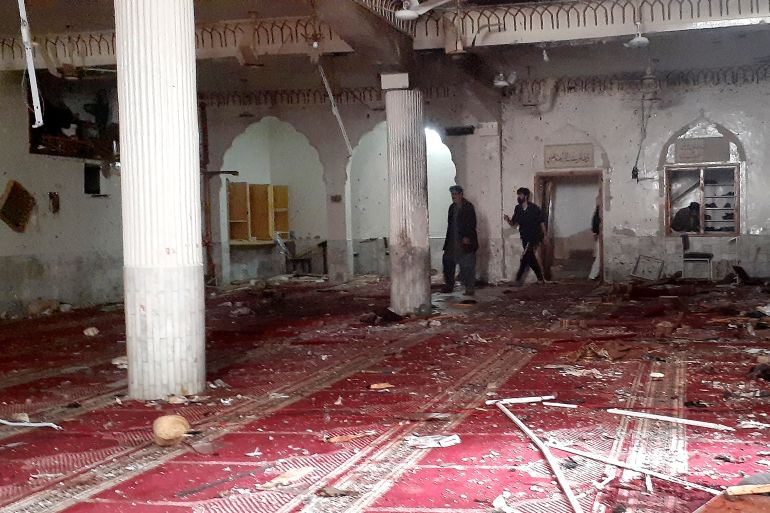
At least 31 people were killed and 169 others were injured after a powerful explosion tore through a mosque during Friday prayers in the capital region of Pakistan.
The blast struck while worshippers were gathered for the weekly congregational prayer, a moment that typically draws large crowds and includes people of all ages. Emergency responders rushed to the scene within minutes, transporting the wounded to nearby hospitals and cordoning off the surrounding area as security forces began an immediate investigation.
RECOMMENDED STORIES
Authorities confirmed that the explosion occurred inside or immediately adjacent to the prayer hall, amplifying the impact on those present. Survivors described scenes of panic and confusion as people attempted to assist the injured and evacuate the building. Medical teams declared several victims dead at the site, while others succumbed to injuries after reaching hospitals.
Where did the explosion take place
The attack occurred in the capital region administered as the Islamabad Capital Territory. The mosque is located in a populated urban area that experiences heavy foot traffic during prayer times. Friday prayers are especially well attended, making mosques crowded and increasing the potential human toll of any attack at that hour.
Security officials stated that the surrounding streets were immediately sealed, with checkpoints established to control movement and preserve evidence. Investigators began forensic work to determine the origin of the blast and whether it involved an improvised explosive device or another mechanism.
Why Friday prayers matter
Friday prayers hold particular religious significance in Islam. They replace the midday prayer and include a sermon, drawing worshippers who might not attend the mosque on other days. Because of this, mosques are most crowded on Fridays, and attacks at this time tend to result in higher casualties.
In recent decades, militants have deliberately targeted places and times of maximum congregation to amplify fear, media attention, and societal disruption. Attacking a mosque during prayers is also intended to fracture communal trust and provoke anger, grief, and insecurity.
Who were the victims
Officials said the victims included adult men, elderly worshippers, and at least a few younger attendees who were accompanying family members. As of the latest hospital updates, dozens of injured people remained in critical or serious condition, raising concerns that the death toll could rise further.
Hospitals in the capital region activated emergency protocols, calling in additional staff and supplies. Blood donation appeals were issued to support surgical and trauma care needs. Families gathered outside medical facilities seeking information about loved ones, while authorities worked to compile and verify casualty lists.
What is known about the cause
At the time of reporting, authorities had not publicly confirmed the exact cause of the explosion. Early assessments pointed to a deliberate act rather than an accident, based on blast patterns and damage inside the mosque. Forensic teams collected fragments and residue to identify the type of explosive used.
Investigators are also examining whether the blast was carried out by a suicide attacker or a planted device. Surveillance footage from nearby buildings and traffic cameras is being reviewed, and witnesses are being interviewed to reconstruct the moments leading up to the explosion.
Has any group claimed responsibility
No group immediately claimed responsibility. In similar past incidents in Pakistan, claims have sometimes emerged hours or days later, either directly or through affiliated channels. Security analysts caution that early claims can be misleading and stress the importance of verification before attribution.
Authorities stated that they are considering multiple possibilities and will not speculate publicly until evidence supports a clear conclusion. Counterterrorism units are coordinating with intelligence agencies to assess potential threats and suspects.
How authorities responded
Emergency response was swift, involving police, medical services, and specialized rescue teams. The mosque and nearby buildings were evacuated, and bomb disposal units conducted sweeps to ensure there were no secondary devices.
Senior government officials condemned the attack and ordered a heightened security posture across the capital. Additional police patrols were deployed to mosques, markets, and transport hubs, particularly ahead of upcoming religious gatherings.
What security measures are now in place
In the immediate aftermath, authorities increased visible security around places of worship. Measures include additional checkpoints, vehicle searches near mosques, and the deployment of plainclothes officers to monitor crowds. Some mosques temporarily restricted entry points and coordinated with local police for protection.
Security experts note that while such measures can deter or disrupt attacks, they also strain resources and can affect daily life. Long term prevention relies on intelligence gathering, community engagement, and addressing the networks that enable violent extremism.
How this fits into Pakistan’s recent security landscape
Pakistan has faced periodic waves of militant violence over the years, with attacks targeting security forces, religious minorities, political events, and public spaces. While overall security has improved compared with peak violence in earlier decades, sporadic high impact attacks continue to pose a serious challenge.
Capital regions are generally more secure than remote areas, making an attack in Islamabad particularly alarming. Analysts say such incidents are designed to signal reach and capability, undermining public confidence in security arrangements.
What hospitals are reporting
Doctors reported a range of injuries, including blast trauma, shrapnel wounds, and burns. Emergency surgeries were performed on arrival for those in critical condition. Psychological trauma is also expected to affect survivors and witnesses, especially given the religious setting and suddenness of the violence.
Hospitals urged the public to avoid overcrowding emergency rooms unless necessary, while directing relatives to designated information desks for updates. Mental health professionals were also mobilized to provide counseling support.
How communities are reacting
Local communities expressed shock and grief, with many residents gathering for vigils and prayers for the victims. Religious leaders across sects condemned the violence, emphasizing unity and rejecting attempts to sow division.
Community volunteers assisted emergency services by donating blood, providing food to families waiting at hospitals, and helping authorities manage crowds. Such responses are common after major attacks and reflect a collective effort to support victims.
What officials are saying
Government leaders described the attack as an assault on faith and humanity, pledging to bring those responsible to justice. Statements emphasized that targeting worshippers violates fundamental moral and religious principles.
Officials also called for calm, urging the public not to spread unverified information. They stressed that misinformation can hinder investigations and exacerbate fear.
What happens next in the investigation
The investigation is expected to proceed in several stages. First, forensic analysis will determine the nature of the explosive and the method of detonation. Second, intelligence agencies will assess whether the attack matches known tactics of specific groups. Third, authorities will trace any logistical support networks involved.
Arrests, if any, may follow days or weeks of intelligence led operations. Past cases show that early breakthroughs often depend on surveillance footage, intercepted communications, or tips from the public.
Why attacks on mosques have a broader impact
Attacks on mosques resonate deeply because they strike at places of peace and community. Beyond the immediate loss of life, they can fuel fear and mistrust, disrupt religious practice, and provoke cycles of retaliation if not carefully managed.
Scholars note that such attacks are often intended to polarize society and draw harsh responses that militants can exploit for recruitment. Effective responses therefore balance security with protection of civil liberties and community trust.
How Pakistan has responded to similar incidents before
In previous mosque attacks, authorities implemented a mix of security enhancements and outreach to religious leaders. Mosque committees were encouraged to coordinate with police, install basic security infrastructure, and develop emergency response plans.
At the national level, counterterrorism strategies have focused on dismantling militant networks, regulating financing, and countering extremist narratives. Progress has been uneven, but major urban centers have seen improvements in intelligence coordination.
What this means for upcoming religious events
The attack is likely to lead to tightened security around future religious gatherings, particularly large congregations. Organizers may adjust prayer schedules, limit entry points, or increase volunteer marshals to assist with crowd management.
While such measures aim to enhance safety, they also underscore the persistent threat environment and the need for vigilance without undermining the openness of religious life.
How the public can help responsibly
Authorities encourage citizens to remain alert and report suspicious activity through official channels. They also urge responsible information sharing, avoiding rumors and unverified claims on social media.
Supporting victims through lawful means, such as blood donation and verified relief efforts, is another constructive way the public can contribute in the aftermath of tragedy.
Frequently asked questions
How many people were killed and injured
At least 31 people were killed and 169 were injured, according to official hospital and emergency service reports. The numbers may change as critically injured patients receive ongoing treatment.
Was the mosque specifically targeted
Investigators believe the mosque was deliberately targeted due to the timing during Friday prayers, but the precise motive is still under investigation.
Is there an ongoing threat
Authorities have not announced a specific imminent threat, but security has been heightened as a precaution while investigations continue.
Have suspects been identified
No confirmed suspects have been publicly identified. Officials say multiple leads are being examined.
Are places of worship safe to attend
Security measures have been increased, and authorities say they are working to ensure safety. Individuals are advised to remain vigilant and follow guidance from mosque administrations and police.
A moment of national mourning
As Pakistan grapples with the aftermath of the attack, flags were lowered at some institutions and moments of silence observed in remembrance of the victims. The tragedy has reignited calls for unity against violence and renewed efforts to protect civilians.
The coming days will test the resilience of communities and the effectiveness of security and investigative responses. For many, the hope is that justice for the victims will be accompanied by measures that prevent such an attack from happening again.
By Faig Mahmudov


Similar news