Why is Putin preparing for another visit to China?


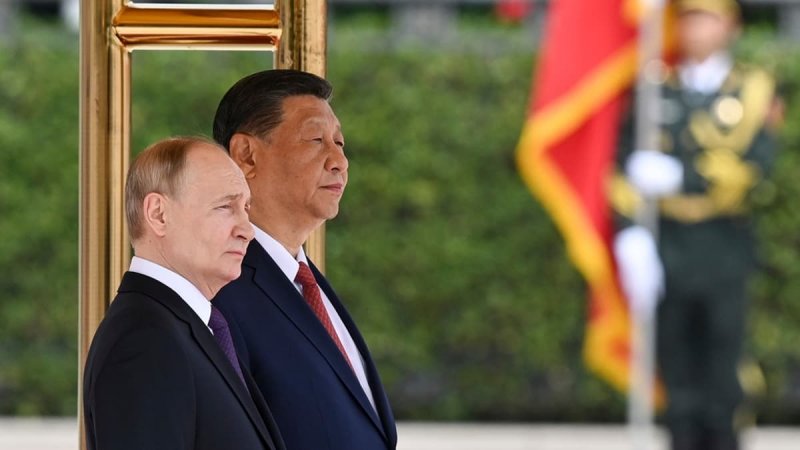
Russian President Vladimir Putin is expected to travel to China “very soon,” according to the Kremlin. Russian officials say preparations for the trip are already complete, signaling another major step in the deepening partnership between Moscow and Beijing.
The announcement comes at a sensitive geopolitical moment marked by the war in Ukraine, shifting global alliances, tensions between China and the United States, and renewed diplomatic activity involving U.S. President Donald Trump and Chinese President Xi Jinping.
RECOMMENDED STORIES
Below is a detailed FAQ explainer on what Putin’s upcoming China visit means, why it matters, and how it could affect global politics.
What did the Kremlin announce?
Kremlin spokesman Dmitry Peskov said that Putin’s trip to China would take place “very soon” and that preparations had already been finalized.
While Moscow did not immediately provide exact dates, the statement strongly suggests the visit is imminent and already coordinated at the highest diplomatic levels.
The announcement also reinforces how central China has become to Russia’s foreign policy strategy since the start of the Ukraine war.
Why is this visit important?
The visit is important because China has emerged as Russia’s most powerful international partner during a period of intense Western sanctions and diplomatic isolation.
Since 2022, Moscow and Beijing have significantly expanded cooperation in areas such as:
Energy
Trade
Banking
Military coordination
Technology
Diplomacy
Putin’s upcoming visit is expected to further strengthen this relationship.
The trip also comes during a period of growing global polarization, with Russia and China increasingly presenting themselves as a counterweight to Western influence led by the United States and NATO.
How close are Putin and Xi Jinping politically?
Putin and Xi have developed one of the closest personal relationships among world leaders.
The two leaders have met more than 40 times over the years. Their most recent meeting took place in Beijing in September 2025.
The relationship intensified dramatically in February 2022, when Russia and China announced a “no limits” strategic partnership shortly before Russia launched its military operation in Ukraine.
Although China has tried to avoid direct military involvement in the Ukraine conflict, Beijing has maintained strong economic and diplomatic ties with Moscow.
What is the “no limits” partnership?
The “no limits” partnership is a political framework announced by Russia and China in early 2022.
It signaled that the two countries intended to deepen cooperation without major restrictions across strategic sectors.
The partnership includes:
Expanded economic cooperation
Joint geopolitical coordination
Energy agreements
Diplomatic support in international organizations
Security dialogue
Military exercises
However, analysts note that the partnership is not a formal military alliance like NATO.
China has generally avoided directly violating Western sanctions on Russia, while still helping Moscow economically through trade and financial links.
Why does Russia need China so much right now?
Russia’s dependence on China has increased significantly because of Western sanctions following the Ukraine war.
After many European countries reduced imports of Russian energy and Western companies exited the Russian market, Moscow redirected much of its trade toward Asia, especially China.
China now serves as:
A major buyer of Russian oil and gas
A supplier of industrial goods and electronics
A financial partner helping Russia bypass some Western restrictions
A diplomatic ally in global institutions
This relationship has become essential for Russia’s economic resilience.
What does China gain from closer ties with Russia?
China gains several strategic advantages from cooperation with Russia.
These include:
Energy security
Russia provides China with large quantities of oil, natural gas, and other raw materials.
Geopolitical leverage
A strong relationship with Moscow helps Beijing challenge U.S. global influence.
Access to resources
Russia possesses enormous natural resources and Arctic opportunities important for China’s long term economic planning.
Strategic coordination
China and Russia often coordinate positions on issues involving NATO, Taiwan, sanctions, and global governance reforms.
However, Beijing also tries to avoid becoming too closely tied to Russia’s military campaign in Ukraine because China still depends heavily on trade with Europe and the United States.
Could the Ukraine war dominate the talks?
Yes. The war in Ukraine will almost certainly be a major topic during Putin’s visit.
Russia continues to seek international backing and economic support while facing military and financial pressure from the West.
China has repeatedly called for negotiations and political settlement efforts, but Western governments accuse Beijing of indirectly helping Russia sustain its war effort economically.
Recent Kremlin statements have suggested Moscow believes the conflict may be approaching a turning point, although Ukraine strongly disputes that assessment.
The Putin-Xi discussions may include:
Military industrial cooperation
Economic resilience
Sanctions avoidance
Peace negotiation frameworks
Global diplomatic coordination
Is the timing connected to Donald Trump’s China visit?
The timing is attracting attention because Trump is also visiting China this week for talks with Xi Jinping.
This creates an unusual diplomatic moment where Beijing is simultaneously engaging both Washington and Moscow at the highest levels.
Analysts believe China is trying to position itself as a central power broker capable of managing relations with both major rivals.
For Xi, balancing relations with both Putin and Trump could strengthen China’s global influence.
For Russia, maintaining privileged access to China is strategically critical, especially as U.S. China relations show signs of cautious stabilization.
How have U.S. China relations changed recently?
Recent developments suggest Washington and Beijing are attempting to reduce tensions after years of rivalry.
Xi described the current relationship with the United States as having a “new positioning” involving cooperation alongside managed competition.
The Trump-Xi discussions reportedly include topics such as:
Trade
Artificial intelligence
Taiwan
Iran
Ukraine
Energy security
Despite this diplomatic outreach, major disagreements remain between the two powers.
China continues to oppose U.S. support for Taiwan, while Washington remains concerned about Chinese military and technological expansion.
Could China move closer to the U.S. and away from Russia?
Most analysts believe China will continue balancing both relationships rather than fully choosing one side.
China benefits economically from stable ties with the United States, but it also sees Russia as an essential strategic partner against Western pressure.
Beijing is therefore likely to continue:
Expanding economic cooperation with Russia
Avoiding direct military alliance commitments
Maintaining dialogue with Washington
Presenting itself as a stabilizing global actor
This balancing strategy allows China to maximize its global influence while minimizing risks.
What economic agreements could emerge from the visit?
Potential areas of agreement include:
Energy exports
Russia may increase oil and gas supplies to China.
Infrastructure projects
The countries could discuss transport corridors, Arctic shipping routes, and rail development.
Financial cooperation
Russia and China continue efforts to reduce dependence on the U.S. dollar in bilateral trade.
Technology cooperation
Sanctioned Russian industries increasingly rely on Chinese electronics and machinery.
Could military cooperation increase?
Russia and China already conduct joint military exercises and security coordination.
However, experts generally believe China remains cautious about entering any formal military alliance with Russia.
Beijing wants to avoid triggering secondary sanctions or damaging ties with Europe.
Still, defense cooperation could deepen in areas such as:
Naval exercises
Aerospace technology
Intelligence sharing
Arctic operations
Cybersecurity
How does Europe view the Russia China partnership?
European governments increasingly see the Russia China partnership as a strategic challenge.
EU leaders worry that:
China could help Russia economically withstand sanctions
The partnership could weaken Western diplomatic influence
Joint Russian Chinese pressure could reshape international institutions
At the same time, Europe also wants to maintain economic ties with China.
This creates a complicated balancing act similar to Beijing’s own strategy between Moscow and Washington.
What role does Taiwan play in all this?
Taiwan remains one of the biggest geopolitical flashpoints involving China and the United States.
During Trump’s current visit to Beijing, Xi reportedly warned that mishandling the Taiwan issue could push U.S. China relations into a “very dangerous place.”
Russia strongly supports China’s position on Taiwan.
In return, China has generally avoided publicly criticizing Russia over Ukraine.
This mutual diplomatic backing strengthens the political alignment between Moscow and Beijing.
Is Russia becoming too dependent on China?
Some analysts inside and outside Russia believe Moscow risks becoming economically dependent on Beijing.
China’s economy is far larger than Russia’s, giving Beijing significant leverage.
Critics argue that Russia increasingly functions as:
A raw materials supplier
A junior economic partner
A politically isolated state reliant on Chinese markets
However, Russian officials reject this characterization and present the partnership as mutually beneficial and strategically equal.
What message is Putin trying to send globally?
Putin’s planned trip sends several messages simultaneously.
To the West
Russia is not internationally isolated and still has powerful allies.
To Ukraine
Moscow retains strong geopolitical backing despite sanctions and military pressure.
To global markets
Russia China economic cooperation remains stable and expanding.
To developing countries
Alternative global partnerships outside Western alliances are strengthening.
Could the visit reshape global geopolitics?
The visit itself may not immediately transform global politics, but it reflects a larger long term shift toward a more multipolar international system.
Key trends include:
Stronger Russia China coordination
Growing rivalry between China and the U.S.
Fragmentation of global trade systems
Expansion of non Western diplomatic blocs
Increasing competition over technology and energy
The Putin Xi relationship has become one of the defining geopolitical partnerships of the current era.
What happens next?
The main questions now are:
When exactly the visit will occur
What agreements will be announced
Whether new economic or energy deals will emerge
How Washington and Europe will react
Whether the Ukraine war situation changes further
Given current geopolitical tensions, the meeting between Putin and Xi is likely to be watched closely by governments, markets, and security analysts worldwide.
By Faig Mahmudov


Similar news