The agreement, known as the E-Commerce pact, will be implemented among participating countries without full consensus, marking a significant shift from traditional WTO processes that typically require approval from all members, News.az reports, citing Xinhua.
Frustration drives alternative approach
Efforts to integrate the deal into the WTO’s formal rulebook had previously been blocked by dissenting countries, prompting frustration among supporters. The latest move allows 66 members — representing roughly 70% of global trade — to activate the agreement domestically while continuing to seek broader adoption.
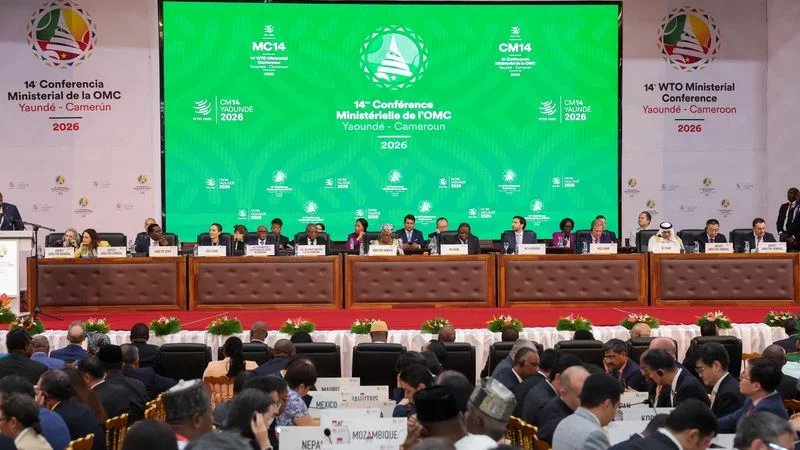
The decision was finalised during the 14th WTO Ministerial Conference, held in Cameroon, where negotiators agreed on an interim framework to bring the deal into force among willing participants.
Under standard WTO rules, so-called plurilateral agreements typically require consensus, making progress difficult when even a small number of members object.
Supporters hail “historic step”
Officials from participating countries welcomed the breakthrough, describing it as a major milestone for global commerce.
Yamada Kenji called the agreement a “historic step” toward establishing global rules for digital trade, while Peter Kyle said it would make international trade “cheaper, faster and more secure” for businesses.
The pact aims to create a more open and predictable environment for digital transactions, addressing issues such as data flows, electronic contracts and online consumer protection.
Key economies remain outside
Despite the progress, several major economies have not joined the agreement.
India has been among the most prominent opponents, arguing that trade agreements should be adopted multilaterally rather than through smaller groupings.
Meanwhile, the United States has yet to sign on, with the agreement currently under review by the administration.
This divergence highlights ongoing tensions within the WTO over how to adapt its rule-making processes to the evolving digital economy.
Separate disputes continue
The digital trade agreement is distinct from ongoing negotiations over a separate e-commerce moratorium, which prevents countries from imposing customs duties on digital goods such as downloads and streaming services.
That issue remains unresolved, with disagreements between the United States and India contributing to a broader impasse at the WTO meeting.
Shift toward flexible trade frameworks
Analysts say the move reflects a growing willingness among WTO members to pursue flexible arrangements when consensus proves unattainable.
While the agreement does not yet have universal backing, its implementation among a large share of global trade participants could set a precedent for future rule-making in the digital era.
As negotiations continue, the challenge for the WTO will be balancing inclusivity with the need to keep pace with rapid changes in global commerce.