100,000 North Korean troops: A game-changer in Russia-Ukraine war?


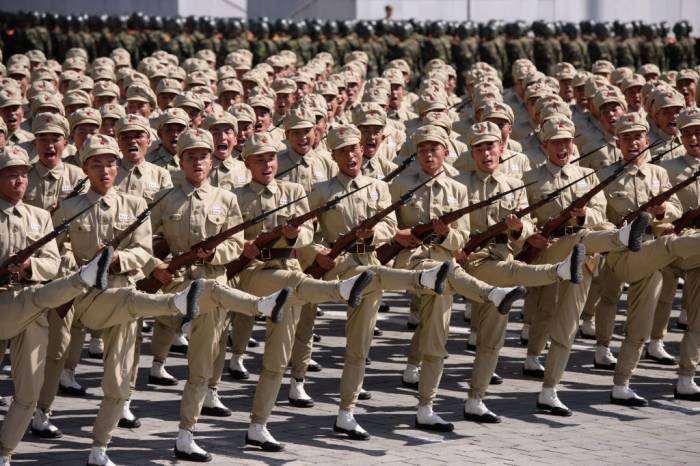
Photo: AFP
By Samir Muradov
Reports suggesting that North Korea may deploy up to 100,000 troops to aid Russia in its war against Ukraine mark a significant and alarming development in the globalisation of the conflict. If confirmed, this move signals a deepening alliance between Moscow and Pyongyang, with profound consequences for regional stability, international security, and the ongoing war in Ukraine.
The collaboration between North Korea and Russia is rooted in mutual benefits. For Moscow, the addition of 100,000 North Korean troops would provide critical relief to its beleaguered forces. Russia has faced mounting manpower shortages as its invasion of Ukraine drags on, forcing the Kremlin to rely on partial mobilisations and mercenary groups like the Wagner PMC. North Korea’s deployment would mitigate these strains, offering a steady supply of soldiers and artillery support. Reports suggest that Pyongyang has already dispatched 10,000 troops to the Kursk region , along with millions of artillery rounds and weapons, enabling Russia to sustain its offensive operations.For North Korea, the partnership represents a golden opportunity. Pyongyang gains access to financial support—reportedly paying its soldiers $2,000 each, a fortune in a country where the average annual income is a mere $24. Additionally, the alliance provides North Korea with access to advanced military technologies, including missile systems and reconnaissance satellites. These resources could significantly enhance Pyongyang’s intercontinental ballistic missile (ICBM) programme and strengthen its nuclear capabilities, further cementing Kim Jong-un’s regime as a major threat to global security.
For Ukraine, the potential deployment of a massive North Korean contingent poses a grave challenge. Ukrainian forces , already stretched thin, would face increased pressure on multiple fronts. The influx of manpower and artillery from North Korea would allow Moscow to prolong its aggression, complicating Ukraine’s counteroffensives and reducing the likelihood of a swift resolution to the war.
Ukraine’s Western allies also face a dilemma. The deepening Russia-North Korea alliance underscores the increasing globalisation of the conflict, forcing NATO and its partners to reassess their strategies. While Western nations have condemned the alleged troop deployments, their options for direct intervention remain limited. The United States and NATO have focused on providing military and financial aid to Ukraine, but the spectre of a growing Russia-North Korea axis complicates these efforts, potentially stretching the West’s capacity to respond to simultaneous threats in Europe and the Indo-Pacific.
The ramifications of this alliance extend far beyond Europe, raising alarm bells in the Indo-Pacific. North Korea’s growing military partnership with Russia bolsters Pyongyang’s geopolitical leverage, enabling it to further destabilise the region. At the recent Asia-Pacific Economic Cooperation (APEC) summit, leaders expressed concerns about the broader implications of this partnership, particularly in light of North Korea’s advancing ICBM capabilities.
The United States has highlighted the risks of an expanded Russia-North Korea axis, which could embolden other rogue states and authoritarian regimes to pursue similar alignments. South Korea, in particular, views this development as a direct threat , fearing that advanced military technologies shared with North Korea could tip the balance of power on the Korean Peninsula. Additionally, China’s potential role as a mediator or enabler in this alliance remains a critical concern. Beijing’s influence over Pyongyang gives it significant leverage to either escalate or mitigate tensions in the region.
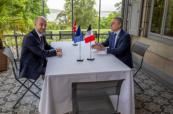
The alleged troop deployments have sparked a flurry of diplomatic activity. German Chancellor Olaf Scholz raised the issue directly with Russian President Vladimir Putin, characterising the involvement of North Korean troops as a “grave escalation.” This marked the first direct dialogue between the two leaders in nearly a year. Scholz reiterated the need for an immediate end to the war and proposed negotiations for a “fair and lasting peace,” though such calls have largely fallen on deaf ears in Moscow.
Scholz also plans to discuss the matter with Chinese President Xi Jinping at the upcoming G20 Summit in Brazil, urging Beijing to use its influence over Pyongyang to discourage further collaboration with Moscow. China’s response to these developments will be closely watched, as its stance could shape the trajectory of the Russia-North Korea alliance and its impact on global geopolitics.
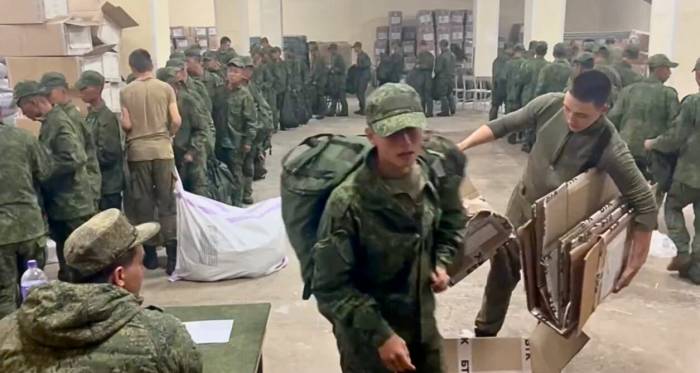
Screengrab of footage purporting to show North Korean soldiers receiving basic supplies at a Russian training base | Source: Center for Strategic Communication and Information Security
While the deployment of North Korean troops offers short-term advantages for Moscow, it carries significant risks for both Russia and North Korea. For Russia, the reliance on foreign troops highlights the fragility of its military position and could undermine domestic support for the war. The Kremlin’s propaganda machine has framed the conflict as a patriotic struggle, but the optics of outsourcing its war effort to a pariah state like North Korea could backfire, eroding public confidence in Putin’s leadership.
For North Korea, the partnership with Russia risks international backlash. Pyongyang is already heavily sanctioned for its nuclear weapons programme, and deeper involvement in the Ukraine war could invite further punitive measures. Moreover, the exposure of North Korean troops to modern warfare could lead to unintended consequences, including potential defections or the loss of critical military secrets.
The deepening ties between Moscow and Pyongyang reflect a broader realignment in global politics. As authoritarian regimes band together in the face of Western opposition, the world is witnessing the emergence of new geopolitical blocs. The Russia-North Korea partnership is not merely a marriage of convenience; it is a symptom of a shifting international order, where traditional alliances are being tested and new ones are being forged.
The implications of this shift are profound. For the West, it underscores the need for a more cohesive and strategic approach to countering authoritarian aggression. For Ukraine, it highlights the importance of sustained support from its allies to withstand the combined pressures of Russian and North Korean forces. And for the world at large, it serves as a stark reminder of the fragility of global security in an increasingly multipolar era.
The potential deployment of 100,000 North Korean troops to aid Russia in Ukraine marks a dangerous escalation in the globalisation of the conflict. While the partnership offers mutual benefits for Moscow and Pyongyang, it poses significant challenges for Ukraine, the West, and regional stability in the Indo-Pacific. As the world grapples with the implications of this alliance, the need for robust diplomacy, strategic foresight, and international unity has never been more urgent.


Similar news