A peacekeeping spectacle or a trap for Russia?


The negotiations between the United States and Ukraine—or, more accurately, between the United States and London, given that Kyiv appears more like a puppet in this scenario—do not resemble a genuine attempt to resolve the conflict. Instead, they seem like a carefully orchestrated spectacle designed to create the illusion of diplomatic progress. The recently announced 30-day ceasefire raises critical questions: if Ukraine is steadily losing ground while Russian forces continue their advance, could this be nothing more than a maneuver to provide Kyiv with a much-needed respite?
From a strategic perspective, the timing of this truce is suspect. Ukrainian forces have been struggling on multiple fronts, and reports suggest that they are sustaining heavy losses. In particular, the situation in the Kursk region has demonstrated that Ukrainian troops are suffering repeated defeats and being pushed back from Russian territory. Under these circumstances, a ceasefire appears to serve Ukraine’s immediate military interests, allowing it to regroup, receive additional Western supplies, and reinforce its positions. If this is the real motivation behind the negotiations, then the so-called peace process is nothing but a calculated trap for Russia.
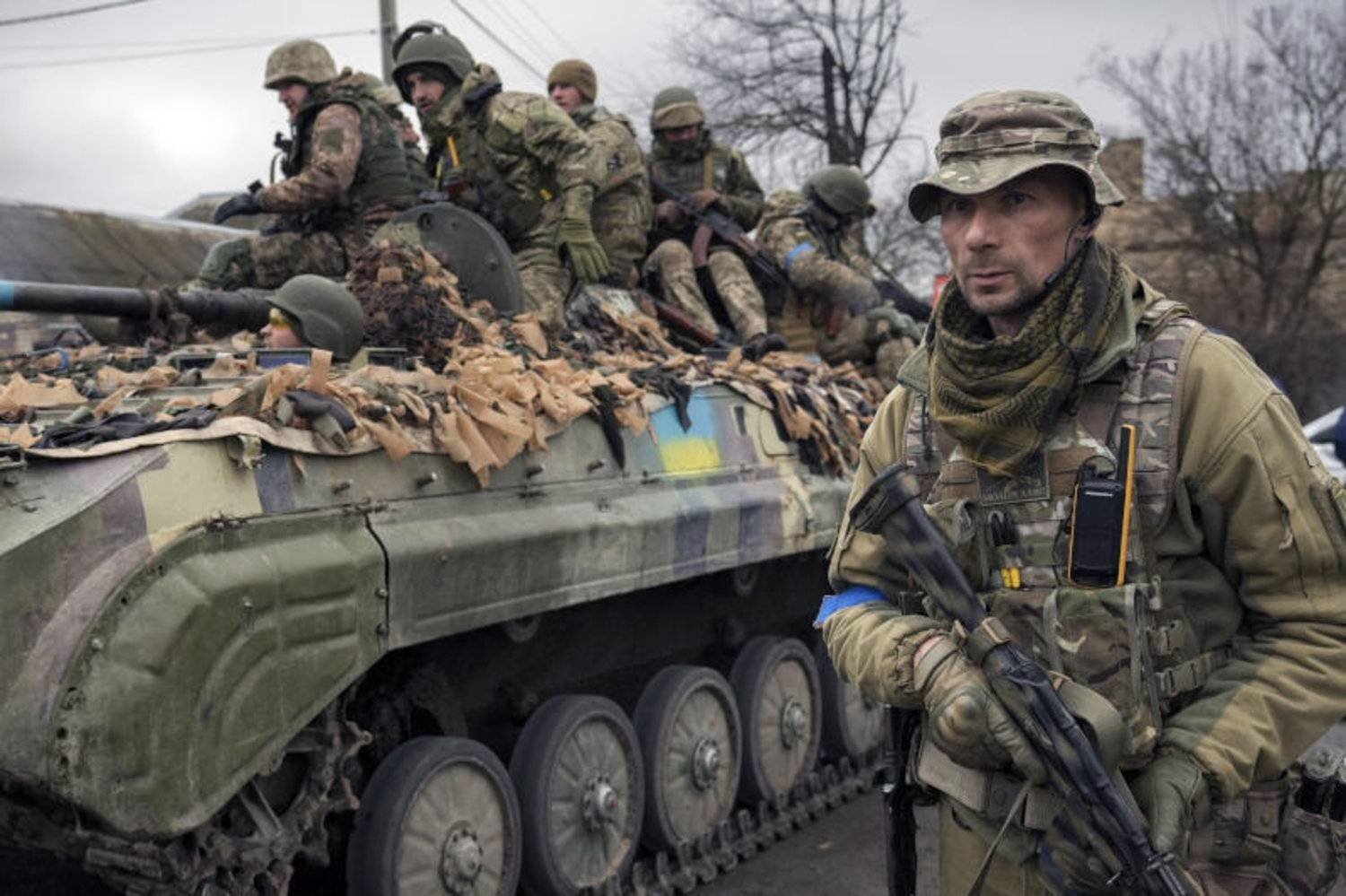
Source: KyivPost
A closer examination of Kyiv’s rhetoric over the past several months reveals a fundamental inconsistency in its approach. One day, Ukrainian leaders insist that any settlement must include a return to the country’s 1991 borders. The next, they shift their demands to the 2014 lines, then to the pre-war status of 2021, and sometimes even to entirely different conditions. What does this suggest? At best, it demonstrates a lack of a unified strategic vision. At worst, it reflects an erratic policy driven by external influences rather than genuine national objectives.
This pattern of inconsistency raises doubts about Ukraine’s ability to act as an independent party in these negotiations. Instead of putting forward coherent demands or concrete peace proposals, Kyiv’s rhetoric is often marked by emotional appeals, inflammatory accusations, and aggressive denunciations of Moscow. While such an approach might be effective in rallying domestic and Western support, it does little to foster a meaningful resolution to the conflict.
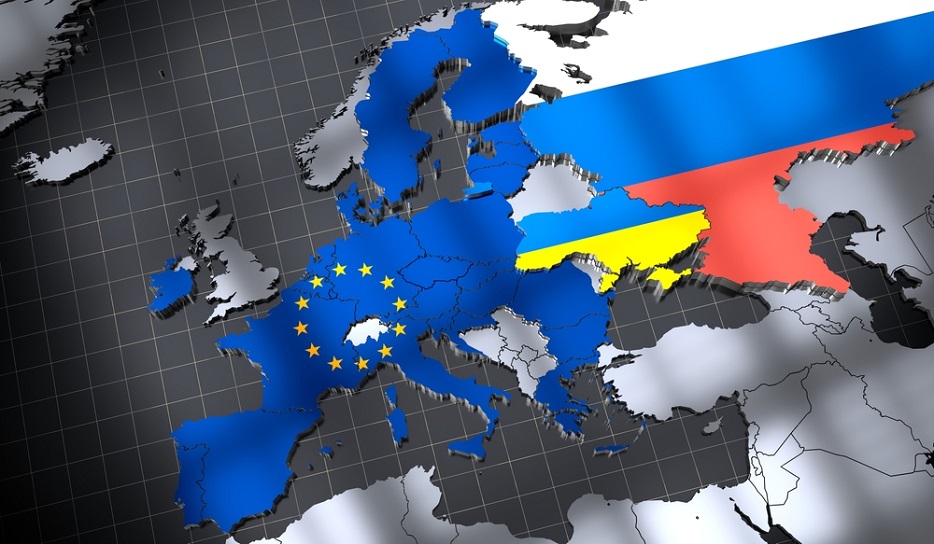
Source: Reuters
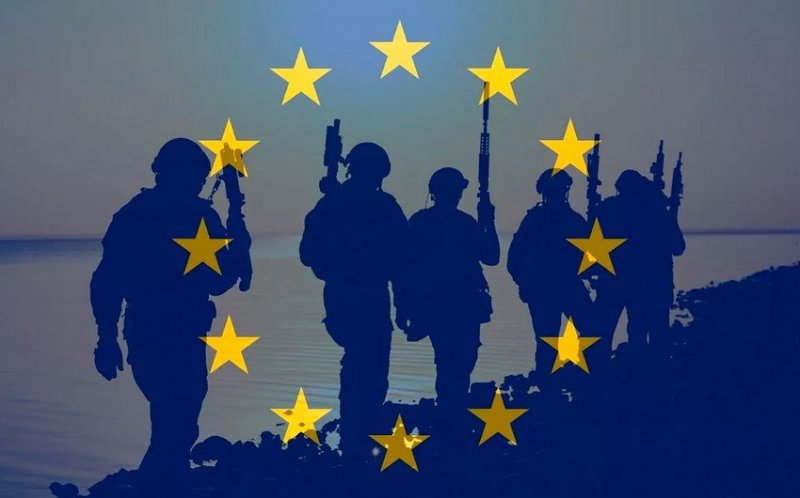
In contrast, European powers appear to have their own priorities—namely, the prolongation of hostilities. From Brussels’ perspective, as long as Ukrainians and Russians are the ones suffering the consequences, the costs of the war remain tolerable. European governments have faced significant economic repercussions due to the conflict, particularly in the energy and trade sectors, yet they continue to advocate for military support to Kyiv rather than pursuing genuine diplomatic alternatives.
The United States, on the other hand, has a different set of interests. Washington is keen to maintain its image as a global peace broker, which is why it is eager to create the illusion of engagement in a resolution process. However, if we look beyond the political posturing, there are no real mechanisms being proposed for a lasting peace. The primary objective appears to be public relations—to demonstrate to the world that Washington is taking steps toward diplomacy, even if those steps are largely symbolic.
One of the most concerning aspects of the proposed ceasefire is its unclear framework and enforcement mechanisms. Reports suggest that backchannel discussions are taking place, possibly involving the visit of a special envoy or private diplomatic exchanges. However, without concrete details, it is difficult to assess whether these talks are being conducted in good faith.

Source: Reuters
If the United States and European Union are genuinely interested in peace, then their commitment should extend beyond mere rhetoric. A meaningful ceasefire agreement should include concrete guarantees—namely, an immediate halt to Western military aid to Ukraine for the duration of the truce. Without such provisions, any agreement risks becoming nothing more than a geopolitical ploy to buy Kyiv time.
Another critical factor in this equation is Ukraine’s continued reliance on drone strikes against Russian civilian infrastructure. Recent attacks on non-military targets have further inflamed tensions, raising questions about Kyiv’s adherence to international norms. Such actions not only escalate hostilities but also reinforce the perception that Ukraine is engaging in acts of state-sponsored terrorism.
If the masterminds behind these strikes believed they could intimidate Moscow into making concessions, they have grossly miscalculated. The tragic deaths of workers at the Miratorg meat processing plant have sparked outrage across Russia. These individuals had no connection to military operations; they were engaged in food production, serving civilian needs. By targeting them, Ukraine has further alienated the Russian public and hardened national sentiment against any potential reconciliation.

Source: TASS
No nation can afford to ignore direct attacks on its civilians. The logic of these strikes is deeply flawed—far from pressuring Russia into peace talks, they only reinforce the resolve to see the conflict through on Russian terms. If Kyiv’s goal was to weaken Moscow’s negotiating position, then this strategy has undeniably backfired.
At this stage, neither the United States, Europe, nor Ukraine has presented a viable long-term solution. The diplomatic maneuvers being carried out appear to serve short-term political objectives rather than establish a framework for sustainable peace. Russia must carefully analyze the risks and avoid falling into a Western-engineered trap disguised as a peace initiative.
Any meaningful ceasefire agreement must be accompanied by a cessation of arms deliveries to Ukraine, clear guarantees of de-escalation, and a roadmap for substantive diplomatic engagement.
Until then, the current developments resemble little more than a political spectacle—one designed to buy time rather than to secure peace. For Moscow, the priority should remain clear: proceed with caution, demand tangible commitments, and refuse to be drawn into negotiations that serve only as a strategic pause for the opposing side.


Similar news