China wants Russian oil, but sanctions get in the way


By Asif Aydinly
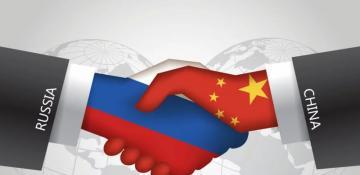
The energy partnership between China and Russia has been rapidly strengthening in recent years. However, despite mutual interest—particularly in the supply of Russian oil—some Chinese companies are facing serious challenges when it comes to making payments for Russian energy. This was confirmed by China’s Ambassador to Russia, Zhang Hanhui, who emphasized that although trade volumes remain high, certain financial channels have been restricted, complicating the settlement of contracts.
"Chinese companies want to buy Russian oil, and the interest comes not only from private enterprises but also from state-owned corporations. However, difficulties in making payments have emerged," the ambassador stated, adding that while the issue is not universal, it affects sensitive segments of energy imports.
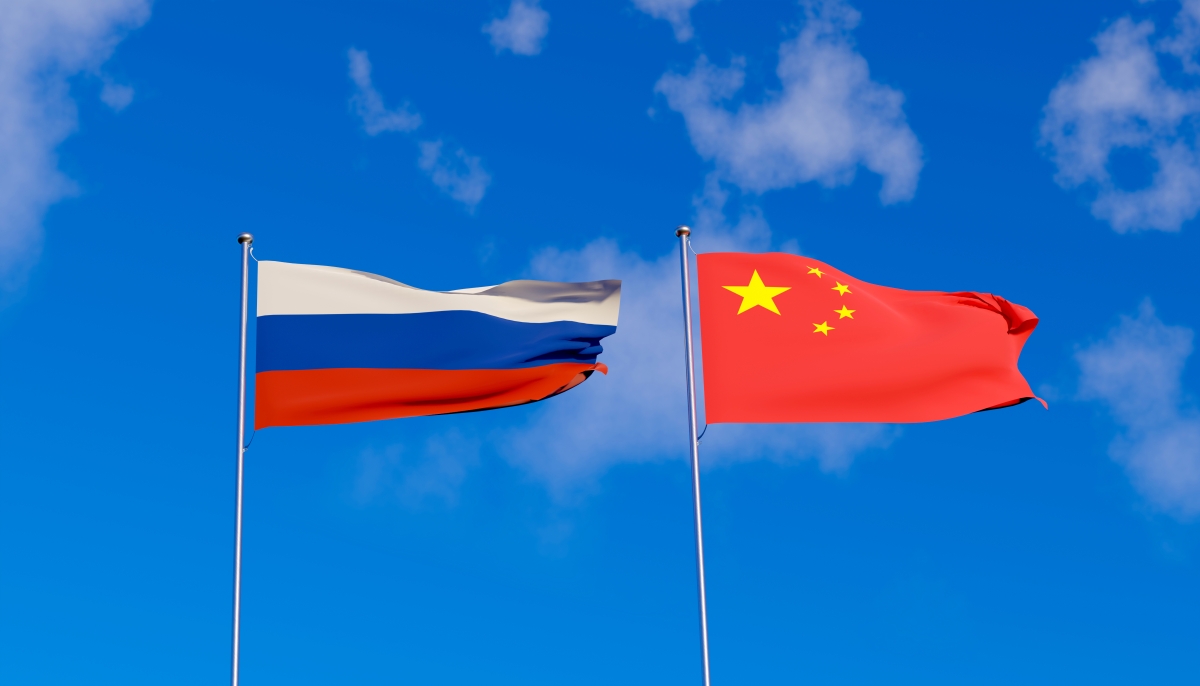
Source: Asia Society
The situation is further complicated by reports from Reuters and Bloomberg, which noted that several Chinese state-owned refineries have recently refrained from purchasing Russian crude. The main reason lies in concerns over possible secondary sanctions from the United States. These risks have become particularly pronounced amid tighter sanctions targeting third countries that engage in sensitive economic cooperation with Russia—including in sectors such as energy, defense, and finance.
Nevertheless, the current geoeconomic reality—particularly the escalating trade war between Washington and Beijing—is prompting Chinese businesses, especially state entities, to reassess their strategy toward Russia. It is becoming increasingly clear that continued hesitation to engage with Russia’s energy sector could come at a high cost, as global markets and supply chains undergo dramatic shifts.
Despite the ongoing challenges, Ambassador Zhang Hanhui noted that roughly 90% of all trade settlements between China and Russia are now conducted in national currencies—yuan and rubles. This move toward de-dollarization reflects a broader strategic goal shared by both countries to reduce their dependence on Western currencies and financial institutions.
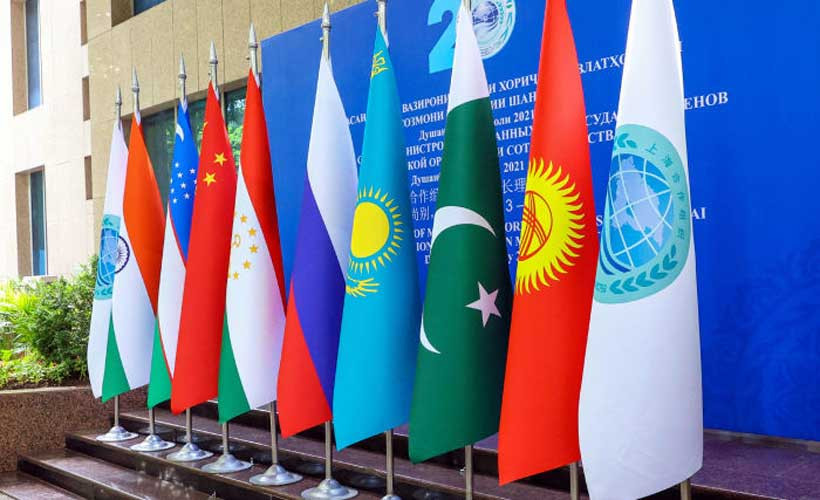
In this context, China had earlier proposed the establishment of a development bank for member states of the Shanghai Cooperation Organization (SCO), as well as the introduction of non-currency-based settlement mechanisms—such as barter or clearing systems. These initiatives were designed to mitigate sanction risks and create a more stable and predictable financial infrastructure within the broader “Greater Eurasia” framework.
Source: Aircenter
However, these ideas remain at the discussion stage. Implementation has been hampered by both political coordination challenges within the SCO and the need to build appropriate legal, regulatory, and technological frameworks.
Despite external restrictions, Russia remains one of China’s key suppliers of oil and gas. In 2024, Russia overtook Saudi Arabia to become China’s largest crude oil exporter, accounting for approximately 19% of Chinese imports. Much of this volume is transported via the Skovorodino–Mohe pipeline, as well as through seaborne shipments from Russia’s Pacific ports.
Moreover, China is also interested in expanding its cooperation with Russia in the gas sector. Negotiations are currently underway for the construction of the Power of Siberia 2 pipeline, which would link Russian gas fields with western China via Mongolia.
The current payment difficulties are not merely technical—they reflect broader geopolitical and financial tensions. Western banks have increasingly restricted transaction processing, compliance requirements have tightened, and Chinese banks with international exposure are facing mounting pressure.

Source: Social Europe
Yet in the face of escalating pressure from the U.S. and EU, Beijing appears more determined than ever to diversify its external financial infrastructure and solidify strategic ties with Moscow. This shift is visible not only in the record-breaking bilateral trade turnover, which surpassed $240 billion in 2024, but also in the growing number of joint infrastructure and logistics projects across Eurasia.
The payment challenges facing Chinese companies in their dealings with Russian energy suppliers are not insurmountable barriers but rather temporary pauses in a deepening strategic relationship. Both China and Russia continue to seek alternative financial and logistical solutions that will not only sustain but expand their energy cooperation. In a rapidly changing global trade environment, such partnerships are no longer just advantageous—they are becoming essential for both nations.


Similar news