Istanbul talks: A Turning point for diplomacy?


.png)
Editor's note: Faig Mahmudov is an Azerbaijan-based journalist. The article expresses the author's personal opinion and may not coincide with the view of News.Az.
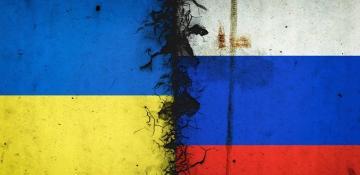
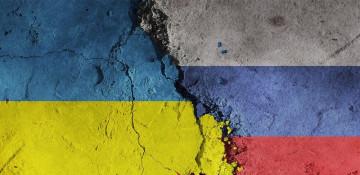
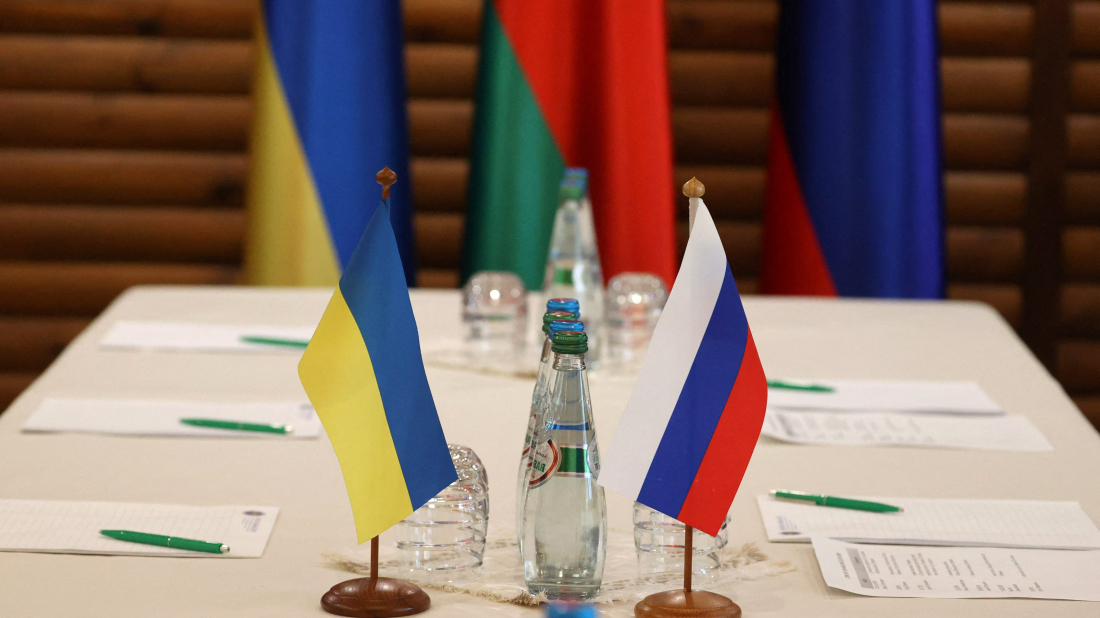
Today, on June 2, 2025, Istanbul is once again witnessing a moment of historical importance. For the first time in months, Russian and Ukrainian delegations have returned to the negotiating table. This meeting is not only critical for resolving the bilateral conflict but carries implications for global stability at large. The Russia-Ukraine war has long transcended the boundaries of a regional conflict and evolved into a symbol of a wider geopolitical confrontation.
The Istanbul talks evoke memories of the early rounds of negotiations held in 2022. At that time, the parties made initial contact, but a lack of sustained political will and the escalation of military operations quickly derailed the process. Today’s meeting, however, requires a deeper and more realistic approach—one informed by past failures and the current strategic realities.
Source: Reuters
The war has taken a heavy toll on both nations. Ukraine has suffered massive infrastructure destruction, millions have fled the country, and the economy is on the brink of collapse. Russia, for its part, is dealing with mounting military losses and the far-reaching consequences of Western sanctions, which have led to financial and technological isolation. Against this backdrop, resuming dialogue, while difficult, appears to be the most rational path forward.
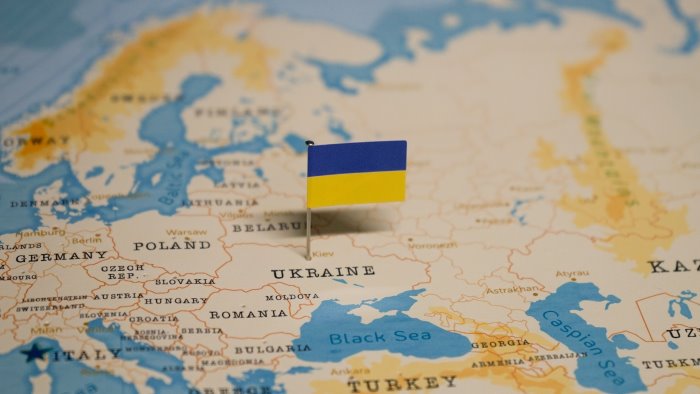
Ukraine enters the talks with a firm and uncompromising position. According to sources close to President Zelensky’s team, Kyiv’s top priorities include: 1) the full restoration of territorial integrity, including the unconditional return of Crimea and the Donbas region; 2) the phased withdrawal of Russian forces; and 3) legally binding international security guarantees, ideally through NATO or EU frameworks.

Source: Reuters
Russia, on the other hand, views these negotiations as part of a larger strategic and political effort. Moscow’s primary goals are to secure international acknowledgment—de facto if not de jure—of its control over certain territories and to lay the groundwork for the easing of sanctions. At the same time, the Kremlin is attempting to shape the global narrative by portraying itself as open to dialogue while accusing the West of double standards.
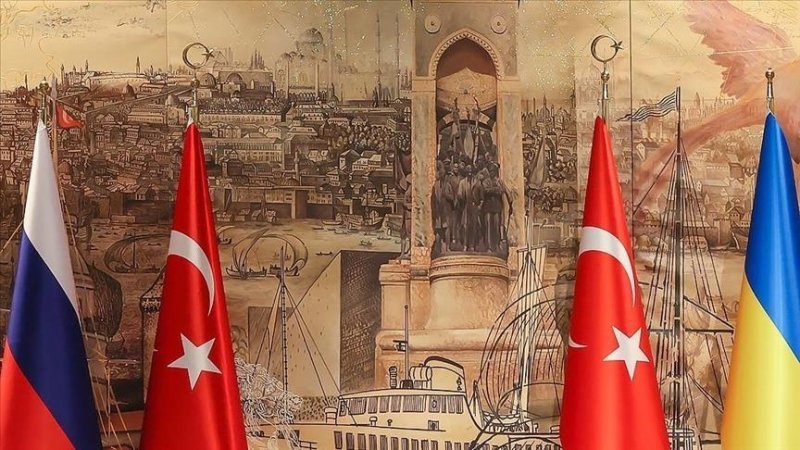
In this context, Türkiye’s role is of particular importance. Under the leadership of President Recep Tayyip Erdoğan, Ankara has successfully positioned itself as a unique actor that maintains strong relations with both NATO and Moscow. Türkiye is not only acting as a technical moderator but also as a “soft power” facilitator seeking to open a viable path for peace. Erdoğan’s initiative to host the talks once again highlights Türkiye’s growing diplomatic relevance as a neutral and trusted platform.
Source: Reuters
The international community is watching this meeting with cautious interest. The UN Secretary-General, EU officials, and the U.S. State Department have all expressed support for the process, though few expect major breakthroughs. Past promises of peace have often collapsed under the weight of battlefield realities and shifting political priorities.
Nevertheless, some realistic expectations have emerged, such as:
– Implementation of prisoner exchanges;
– Establishment of humanitarian corridors for civilians;
– Introduction of localized ceasefires;
– Formation of technical committees for future talks.

Source: Reuters
If these initial steps can be taken, they could pave the way for more complex discussions in the next stage—covering territory status, long-term security frameworks, and international monitoring mechanisms.
Ultimately, today’s meeting in Istanbul is not just a diplomatic event—it may become a decisive moment in choosing between prolonged war and a fragile but hopeful peace. The outcome of this dialogue could shape the fate of both nations, influence the stability of the wider region, and redefine the architecture of global security.
(If you possess specialized knowledge and wish to contribute, please reach out to us at opinions@news.az).


Similar news