Sharif’s Baku visit: $2 billion investment and defence cooperation top agenda


Editor’s note: Prof. Engr. Zamir Ahmed Awan is the founding chair of GSRRA, a sinologist, diplomat, editor, analyst, advisor, consultant, and researcher at the Global South Economic and Trade Cooperation Research Center, as well as a non-resident fellow of CCG. The article reflects the author’s personal views and does not necessarily represent the position of News.Az.
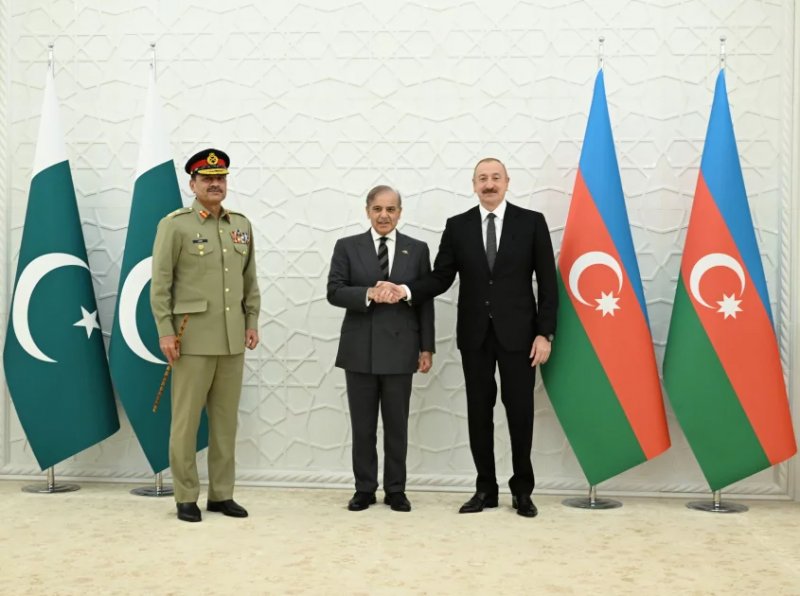
Pakistan and Azerbaijan share a friendship that transcends geography, politics, and time. Rooted in a shared cultural heritage, religious bonds, and mutual respect, this relationship has been nurtured over decades, weathering regional upheavals and global shifts. The recent visit of Pakistan’s Prime Minister Shehbaz Sharif to Baku stands as a testament to this enduring partnership, signalling a new chapter in diplomatic, economic, and strategic collaboration between the two nations.
Historical roots of friendship
The bonds between Pakistan and Azerbaijan are more than a matter of state-to-state diplomacy; they are ties of brotherhood. Pakistan was among the first countries to recognise Azerbaijan’s independence following the collapse of the Soviet Union in 1991. From that moment, Pakistan has consistently supported Azerbaijan on issues of sovereignty and territorial integrity, particularly concerning the Nagorno-Karabakh conflict. This unwavering support has not gone unnoticed; Azerbaijan, in turn, has expressed its solidarity with Pakistan on key issues such as the Kashmir dispute.
The friendship between the two nations is deeply rooted in shared values, traditions, and faith. Both countries have historically emphasised respect for cultural heritage, religious tolerance, and the preservation of national identity. These shared principles have created a strong foundation for cooperation in multiple areas, ranging from political dialogue to economic partnerships and people-to-people exchanges.
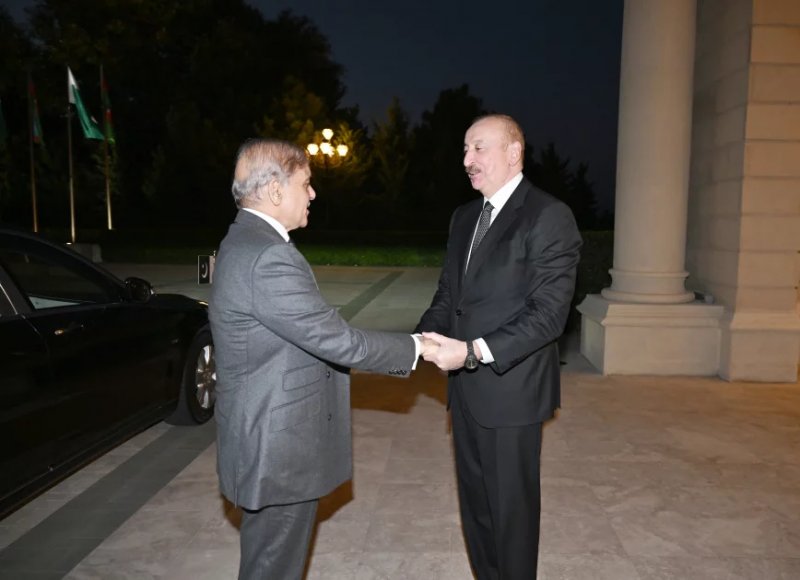 Photo: AZERTAC
Strategic and diplomatic significance
Prime Minister Shehbaz Sharif’s visit to Azerbaijan was strategically timed and symbolically significant. Attending Azerbaijan’s Victory Day celebrations in Baku, which commemorate the country’s triumph over Armenia and the liberation of Nagorno-Karabakh, Sharif reaffirmed Pakistan’s support for Azerbaijan’s sovereignty. Such gestures are not only symbolic but reinforce trust and mutual respect, which form the bedrock of any meaningful international relationship.
During the visit, Sharif held bilateral meetings with Azerbaijani President Ilham Aliyev and Turkish President Recep Tayyip Erdogan, signalling a broader regional collaboration that transcends bilateral ties. Discussions centred on regional connectivity, trade, security, and economic cooperation. These dialogues are critical, particularly in a region marked by strategic rivalries and economic opportunities. By engaging actively with Azerbaijan and Türkiye, Pakistan is not only strengthening its own position but contributing to stability and growth in the wider region.
Economic and investment collaboration
One of the most significant outcomes of Prime Minister Sharif’s visit was the announcement of Azerbaijan’s commitment to invest $2 billion in Pakistan. This investment is poised to catalyse growth in several key sectors, including energy, infrastructure, and agriculture. For Pakistan, a country with immense potential but in need of strategic investment to fuel development, such a commitment is transformative.
Energy cooperation was a focal point of the visit. Pakistan and Azerbaijan have signed agreements covering oil and gas exploration, energy infrastructure development, and LNG supply. These initiatives will enhance Pakistan’s energy security, a vital requirement for sustaining industrial growth and economic stability. By ensuring reliable access to energy, Pakistan can accelerate its development trajectory, benefit millions of citizens, and create opportunities for private sector growth.
Infrastructure development is another area where the partnership is set to flourish. Investment in transport networks, urban development, and connectivity projects will not only enhance Pakistan’s domestic capabilities but will also link the country more effectively with regional trade corridors. Gwadar Port, for example, is highlighted as a key hub for imports and exports, serving not just Pakistan but the wider South and Central Asian regions, promoting trade, logistics, and regional integration.
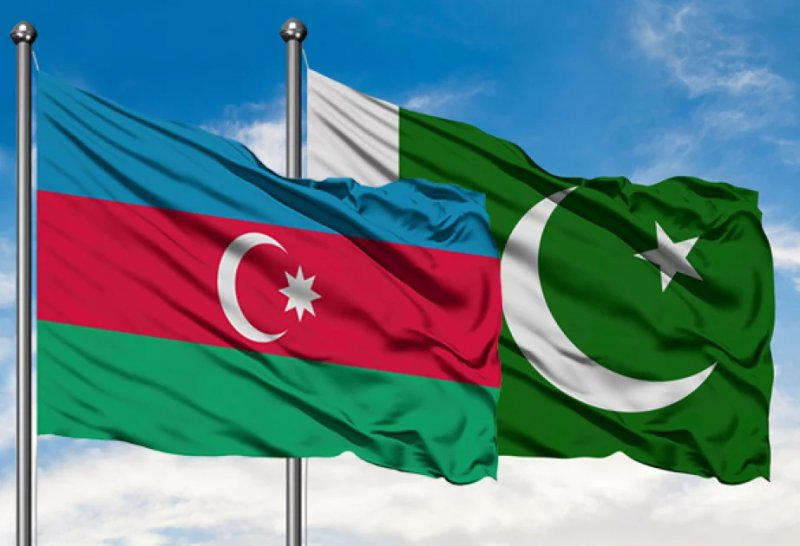 Photo: AZERTAC
Defence and security cooperation
Beyond economic collaboration, the Pakistan-Azerbaijan partnership has a strategic dimension that strengthens regional security. Defence cooperation, including joint production facilities and the potential sale of JF-17 Block III fighter jets, underscores a mutual commitment to ensuring stability and preparedness in a complex geopolitical environment. By combining resources, technology, and expertise, both nations can enhance their defence capabilities, contributing to peace and stability across the region.
Security collaboration also extends to intelligence sharing, counterterrorism initiatives, and regional peacebuilding efforts. A secure region enables economic growth, protects human capital, and fosters an environment where investments can thrive. In this context, Pakistan and Azerbaijan are not just bilateral partners; they are proactive contributors to regional stability.
 Photo: Getty Images
Trade, cultural exchange, and people-to-people ties
While economic and strategic cooperation is critical, the Pakistan-Azerbaijan partnership also emphasises trade, education, tourism, and cultural exchanges. Bilateral trade, currently valued at around $40 million, has immense potential for growth. By diversifying trade portfolios, promoting tourism, and encouraging educational collaboration, both nations can strengthen the bonds between their peoples, ensuring that the friendship is not only political but deeply social and cultural.
Cultural exchange programmes, academic partnerships, and joint initiatives in arts and heritage preservation provide opportunities to enhance mutual understanding and respect. These initiatives cultivate goodwill and create a positive environment for dialogue, making diplomacy more resilient and sustainable.
Regional and global implications
The strengthened ties between Pakistan and Azerbaijan have implications far beyond bilateral relations. Regionally, increased cooperation contributes to stability, connectivity, and economic integration. Strategic projects, such as energy pipelines and trade corridors, have the potential to transform South and Central Asia, connecting markets, reducing dependency on unstable routes, and fostering collaboration across borders.
Globally, the Pakistan-Azerbaijan relationship demonstrates the importance of partnerships based on mutual respect, shared interests, and a long-term vision. In an era where international relations are often dominated by competition and conflict, the example of Pakistan and Azerbaijan highlights the potential for constructive engagement, economic collaboration, and strategic alignment. Such partnerships provide a blueprint for other nations seeking to balance sovereignty, development, and regional influence.
Key takeaways from Prime Minister Sharif’s visit
The recent visit of Prime Minister Shehbaz Sharif to Azerbaijan offers several key lessons and takeaways:
-
Solidarity and support: Pakistan’s consistent support for Azerbaijan’s sovereignty reinforces trust and demonstrates the value of principled diplomacy. Azerbaijan’s reciprocation, particularly on issues like Kashmir, illustrates the mutual respect at the heart of this relationship.
-
Economic vision: The $2 billion investment commitment signals the potential for transformative economic collaboration. Sectors like energy, infrastructure, and agriculture stand to benefit significantly, creating jobs, enhancing productivity, and stimulating growth.
-
Strategic depth: Defence and security cooperation ensures that both countries are better prepared to face regional challenges, fostering stability in a geopolitically sensitive area.
-
Regional connectivity: Projects linking Gwadar Port and regional trade corridors underscore the importance of connectivity in promoting economic growth and regional integration.
-
Global relevance: By demonstrating a partnership rooted in shared values, mutual respect, and strategic vision, Pakistan and Azerbaijan offer a model for other nations seeking balanced, principled, and constructive international relations.
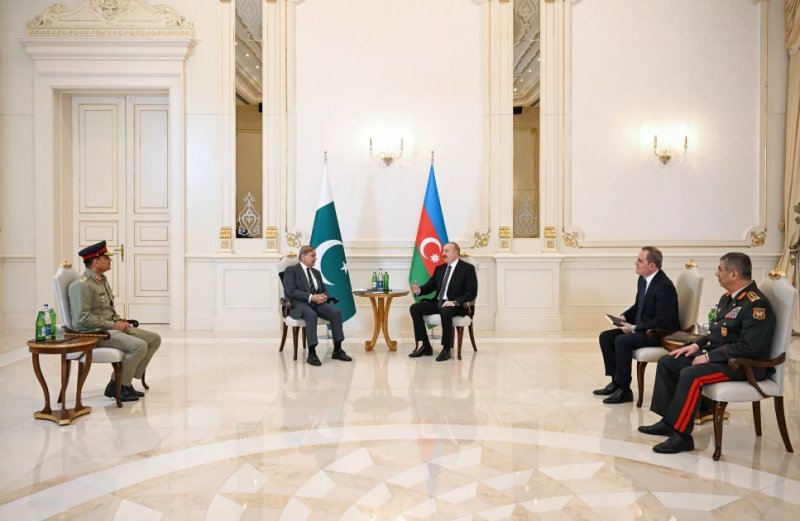 Photo: AZERTAC
An optimistic path forward
The visit of Prime Minister Sharif is more than a diplomatic engagement; it is a reaffirmation of a historic friendship, a commitment to mutual prosperity, and a vision for regional cooperation. By deepening ties with Azerbaijan and engaging constructively with Türkiye, Pakistan is strategically positioning itself as a hub for regional collaboration and development.
The potential benefits are substantial. Enhanced trade and investment will stimulate economic growth, energy partnerships will ensure stability, and defence cooperation will strengthen security. Cultural exchanges, educational collaborations, and tourism initiatives will deepen people-to-people connections, reinforcing the bonds that make this friendship resilient.
Moreover, the partnership has a ripple effect across the region. Greater stability, connectivity, and economic integration in South and Central Asia can promote peace, attract further investment, and create opportunities for development in countries that are historically underserved or economically challenged.
On the global stage, Pakistan and Azerbaijan exemplify the power of principled partnerships. In a world often marked by unilateralism and transactional diplomacy, this relationship is rooted in shared history, mutual respect, and a forward-looking vision. It is a reminder that strategic foresight, coupled with genuine friendship, can yield tangible benefits for nations, regions, and even the global community.
Conclusion
The friendship between Pakistan and Azerbaijan is historic, resilient, and strategically significant. The recent visit by Prime Minister Shehbaz Sharif underscores a shared commitment to deepening economic, strategic, and cultural ties. With Azerbaijan’s $2 billion investment, enhanced energy and defence cooperation, and a focus on regional connectivity, this partnership is poised to deliver substantial benefits for both nations.
This strengthened relationship serves not only national interests but also contributes to regional stability, economic growth, and global cooperation. As Pakistan and Azerbaijan continue to build upon their historic bonds, they set an inspiring example of how brotherly friendship, rooted in mutual respect and shared values, can transform diplomacy into a force for prosperity, peace, and progress.
The Sharif-Aliyev engagement is more than a diplomatic visit; it is a reaffirmation that when nations invest in trust, vision, and collaboration, the dividends are long-lasting, far-reaching, and profoundly positive. For Pakistan and Azerbaijan, the future is not just about bilateral gains; it is about contributing to a more connected, secure, and prosperous region and world.
(If you possess specialized knowledge and wish to contribute, please reach out to us at opinions@news.az).


Similar news