Syria’s role in the region’s new configuration



Editor's note: Moses Becker is a special commentator on political issues for News.Az, a PhD in political science, and an expert on interethnic and interreligious relations. This article reflects the personal opinion of the author and may not coincide with the views of News.Az.
During his first term in 2018, U.S. President Donald Trump announced the withdrawal of American troops from Syria. In June 2025, Reuters reported that U.S. forces had pulled out of the Al-Wazir and Tel Baydar bases in Syria’s Hasakah province.
Since the start of Trump’s second term, the number of U.S. bases vacated in Syria has reached at least four. That same month, Washington announced plans to reduce its military presence in the country from eight bases to just one in northeastern Syria.
However, recent developments suggest a shift in Washington’s approach. Seeking to counter Türkiye’s growing influence, following Ankara’s emergence as a dominant player in post-Assad Damascus, the United States is now considering a return to Syria. According to reports, the U.S. is preparing to deploy troops at an airbase near Damascus to support a potential security agreement between Syria and Israel. In this initiative, President Trump is positioning himself as a mediator between Jerusalem and Damascus.
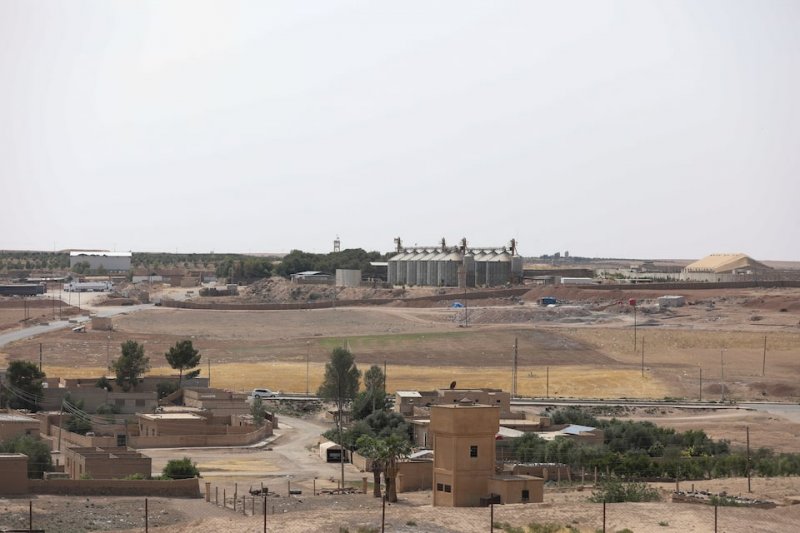
The base, located near Syria’s southern entry points, is expected to become part of a demilitarized zone under the proposed agreement. Washington reportedly plans to use the facility to monitor compliance with the future deal. A U.S. official told reporters that the base would serve logistical, surveillance, refueling, and humanitarian functions, with Syria maintaining full sovereignty over it — a clear indication that the American deployment would be temporary.
Currently, U.S. troops remain stationed in northeastern Syria to assist Kurdish forces in fighting the remnants of ISIS. In April, the Pentagon announced it would cut troop numbers by half to about 1,000. Syrian President Ahmed al-Sharaa stated that any American presence in the country must be coordinated with the new Syrian leadership.
According to both American and Syrian officials, Damascus is set to join the U.S.-led coalition against ISIS. The issue was reportedly discussed during U.S. Central Command (CENTCOM) chief Admiral Brad Cooper’s visit to Damascus on September 12. CENTCOM later confirmed that Cooper and U.S. Special Envoy for Syria Tom Barrack met with al-Sharaa and thanked him for his cooperation in combating ISIS, a move they said could help realize “President Trump’s vision of a prosperous Middle East and a stable Syria at peace with itself and its neighbors.”
For several months, Washington has been working to broker a peace agreement between Israel and Syria. A Syrian government source said the U.S. is pressing Damascus to finalize the deal before the end of the year. On Monday, November 10, 2025, Trump is expected to meet al-Sharaa at the White House. According to Reuters, ahead of the visit, the U.S. submitted a draft UN Security Council resolution proposing the lifting of sanctions on the Syrian president.
Earlier this year, Trump announced a major shift in U.S. policy toward Syria, including the removal of economic sanctions imposed in 2024. The European Union followed suit, lifting its own restrictions. Analysts say one of the key goals of the new U.S. military base near Damascus will be to monitor implementation of a non-aggression pact between Syria and Israel. The agreement, as reported by 360.ru, would establish a demilitarized zone in southern Syria.
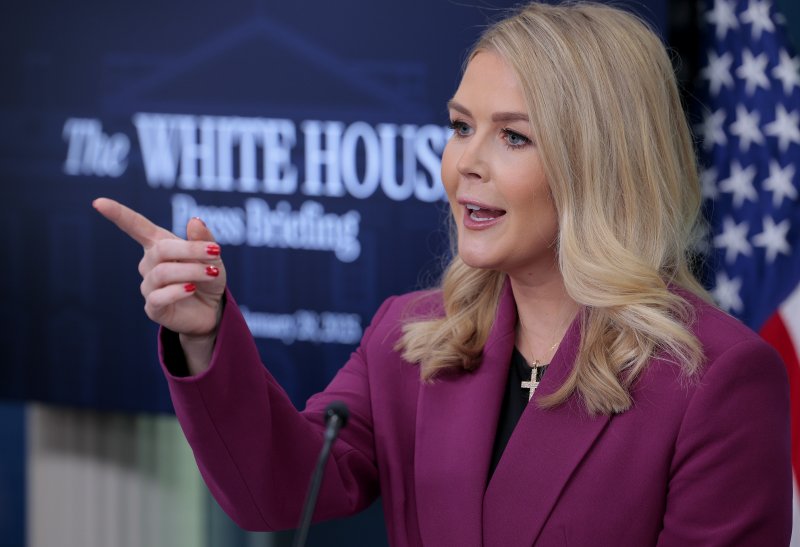
White House spokesperson Karoline Leavitt confirmed that “the meeting will indeed take place here, at the White House, on Monday.”
Officials in Washington argue that Syria’s new leadership has made notable progress since taking power, and that the U.S. now wants to offer Damascus “a genuine opportunity for peace.” The move has reportedly been welcomed by several Arab states wary of Türkiye’s expanding influence in Damascus. For them, peace between Syria and Israel is preferable to a strong Turkish military presence in the region.
Analysts note that without Washington’s involvement, neither side would likely have initiated security or diplomatic cooperation. Israel, having secured favorable positions near its borders through military means, had little urgency to establish diplomatic ties with Damascus. Meanwhile, Syria sought to maintain its alliance with Türkiye, which has long been at odds with Israel.
Israel’s stance remains firm: the Golan Heights are an inseparable part of the State of Israel. On June 30, Israeli Foreign Minister Gideon Sa'ar reaffirmed that “there can be no territorial concessions on the Golan.” The creation of a demilitarized zone along Syria’s southern border is also among Israel’s main conditions, serving as a buffer zone with no heavy weaponry or permanent military presence allowed.
In this complex geopolitical landscape, Damascus has reportedly stopped demanding the return of the Golan Heights, according to Lebanon’s LBCI TV. Instead, it seeks international recognition of the new Syrian regime, withdrawal of Israeli troops from occupied areas in southern Syria, and U.S. political support.
While some experts remain skeptical about the prospects of a lasting peace deal between Syria and Israel, others see the possibility increasing. Many regional actors, weary of interference from Iran and Türkiye, now view stability as a shared goal. In a surprising shift, several Arab leaders increasingly see Israel as a source of regional stability and prosperity — one that respects their values and does not attempt to impose its way of life on others.
(If you possess specialized knowledge and wish to contribute, please reach out to us at opinions@news.az).


Similar news