Tehran provokes Moscow


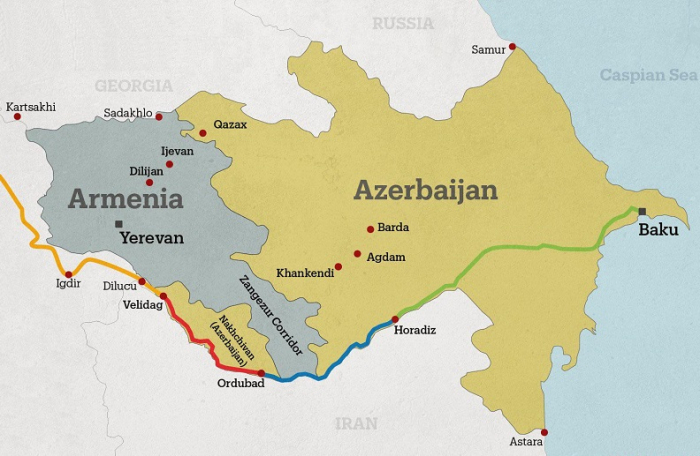
For a long time, Russia and Iran, despite their ideological and political differences, managed to cooperate in the face of shared challenges and sanctions from the West. However, recent events surrounding the Zangezur corridor have brought deep-seated tensions between Moscow and Tehran to the surface. Iran has grown increasingly frustrated with Russia’s actions in the South Caucasus, where Moscow’s expanding influence threatens Tehran’s strategic interests. This has led to a complicated diplomatic showdown, with former allies now finding themselves acting more like rivals.
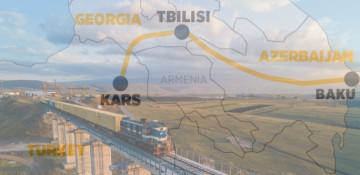
During the 44-day war between Armenia and Azerbaijan, a trilateral agreement was signed to cease hostilities, with Russia playing the role of guarantor. One of the key points of this agreement was the unblocking of economic and transport links in the region as part of the peace process. Armenia agreed to ensure the safe transit of goods and people between Azerbaijan’s western regions and the Nakhchivan Autonomous Republic, with the Russian FSB Border Guard Service overseeing the operation.However, this arrangement didn’t sit well with the Armenian leadership, as it compromised the country’s sovereignty by allowing foreign oversight of part of its borders. Moreover, this situation distanced Armenia from Iran, leaving it surrounded by less-than-friendly nations. After its defeat in Karabakh in September 2023, Armenia turned to the European Union and the United States, hoping to push Russia out of the region and sabotage previous agreements.
Iran, too, was a driving factor behind Armenia’s steps. The Islamic Republic of Iran has strongly opposed Russia and Azerbaijan’s plans to open the Zangezur corridor. For years, Iran had served as an alternative route connecting Azerbaijan to Nakhchivan, keeping Baku dependent on Tehran. With the reformist Masoud Pezeshkian now in power, Iran is looking to ease Western sanctions and gain access to advanced technology. Pezeshkian’s rise wasn’t a coincidence—nothing in Iran happens without the blessing of the Supreme Leader and the IRGC leadership. Confrontation with Israel has shown that without cutting-edge technology, even a large military has its limits.
Iran’s isolation, driven by outdated ideology, risks leading the country into collapse, especially given its hostile regional environment. To break free from this situation and open dialogue with the West, Iran sees Armenia as a potential "window of opportunity." If successful, Tehran hopes to use the Zangezur corridor to transport its gas. This is why Russia, as a key adversary of the West, has drawn Iran’s ire, with Tehran opposing the corridor project. In response to Russia’s push for the corridor’s opening, Iran has even threatened military action to protect its interests.
Iranian MP Fadahossein Maleki, a member of the parliament’s National Security Committee, urged Moscow to avoid "paradoxical actions" and warned that Tehran is prepared to respond firmly. He called support for the corridor project "a stab in the back" and reminded Russia that Iran had already delivered a strong response over the issue of three islands in the Persian Gulf—and now Russia was making the same mistake with Zangezur.
Russia’s “double standards” could prompt Tehran to reevaluate its relations with Moscow. Iran’s reaction to Sergey Lavrov’s comments in Baku, where he emphasized the need to open the Zangezur corridor, was telling. The Iranian news agency Mehr reported that such statements go against the interests of both nations and could derail a strategic agreement between them. Over the past three years, Iran has held regular military exercises along its border with Azerbaijan, signaling its opposition to what it calls the "Turkic NATO corridor."
Ayatollah Ali Khamenei has made it clear that Iran is against any changes to internationally recognized borders, particularly in the South Caucasus. He warned Turkey and Russia that any corridor in the region must align with Tehran’s three “red lines”: 1) control over the Zangezur corridor must remain with Armenia without altering borders; 2) Iran’s interests must be respected in any transport corridor; and 3) the U.S., "Zionist regime," or NATO must not be allowed to use the corridor as a pretext to gain a foothold in the region.
The project connecting Turkey and Azerbaijan directly with the Turkic states of Central Asia is of particular concern to Tehran. Iran has issued strong warnings to Armenia and supporters of the Zangezur corridor, emphasizing the need to protect territorial integrity and sovereignty. Ali Khamenei delivered the latest warning during Armenian Prime Minister Nikol Pashinyan’s visit to Tehran.
The growing tensions between Moscow and Tehran play into Armenia’s hands as it seeks to escape Russia’s influence. Meanwhile, Iran fears both Russia’s growing power and the possibility of Western influence penetrating the region, despite Tehran’s desire to improve relations with the West. Ultimately, this web of contradictions is unlikely to be resolved peacefully, and the fight for influence and resources in the region may lead to further confrontation.
(If you possess specialized knowledge and wish to contribute, please reach out to us at opinions@news.az).


Similar news