What response is Israel preparing for Iran: Expert predictions


By Rolan Yusufov
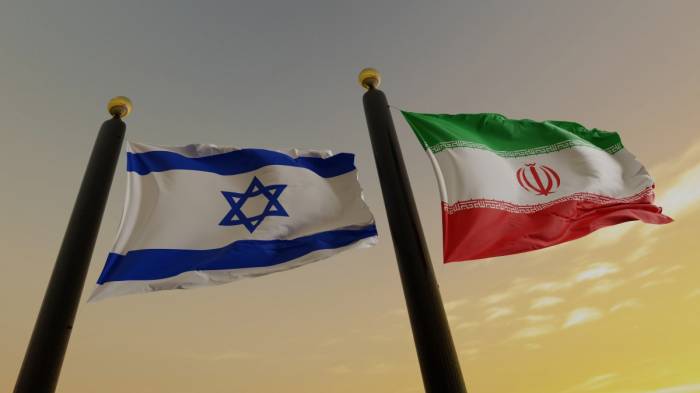
Recent events in Israel have raised serious concerns within the international community. The ongoing rocket attacks have posed significant questions for both regional and global players. How will Israel respond to the continued assaults, and what consequences might this have for the entire Middle East? Could this situation lead to further escalation of the regional conflict, and what role will key international players assume in these developments?
Yosef Shagal: "Iran will face severe retaliation"

As Yosef Shagal pointed out, the events of the night before Rosh Hashanah were a harsh test for the people of Israel. The massive rocket barrages, primarily linked to Iran, were unprecedented in Israeli history: "Our country has been subjected to an overwhelming missile attack, the likes of which we haven’t seen in all 75 years of our existence. This event must be recognized as one of the most serious in recent decades."
Nevertheless, the Israel Defense Forces (IDF) managed to respond effectively to the assault. "We were fully prepared, and our forces operated flawlessly," Shagal emphasized, highlighting the high level of preparedness of the country’s armed forces.
Yosef Shagal also recalled an important speech by Prime Minister Benjamin Netanyahu, delivered in Auschwitz, where Netanyahu spoke about Israel's determination never to depend on other nations for its defense: "We will no longer wait for help from others. Today, our people are capable of defending themselves." According to Shagal, these words resonate with the current situation, where Israel must take decisive retaliatory measures against Iran, which threatens the country’s security. "The response will be severe, and our armed forces know exactly when and how to strike," Shagal stated.
Alex Wexler: "Retaliatory action is inevitable"

Military expert Alex Wexler highlighted that despite the high effectiveness of Israel's Iron Dome missile defense system, not all threats were neutralized. "While the majority of rockets were intercepted, some still managed to breach our defenses, causing damage and injuries among civilians," Wexler explained. He further noted that, for instance, one of the rockets hit the city of Hod HaSharon, damaging buildings and shattering windows, though, fortunately, there were no casualties.
Wexler reminded that such attacks are not uncommon for Israel. "Last year, the country faced a similar assault, and our international partners, including the U.S., the U.K., and France, provided significant support in addressing the threat," he said, underlining the importance of international cooperation in countering such dangers.
Discussing potential retaliatory measures, Wexler stated that Israel is considering various options, including military operations against Iran. "Our capabilities have already been demonstrated in the past, for instance, when we destroyed a Russian S-400 system guarding an Iranian nuclear facility," he recalled, noting that such operations, though often underreported, showcase the strength of Israel’s defense forces.
However, Wexler cautioned that retaliatory strikes against Iran could have serious global economic repercussions. "If Israel targets Iran's oil fields, it could lead to a spike in oil prices and stir discontent within the international community," the expert explained, adding that despite this, Israel cannot remain passive in the face of such threats.
He emphasized that Israel continues to actively consult with the U.S. and other allies to coordinate its actions on the international stage. "A retaliatory strike against Iran is only a matter of time. The threat from Tehran persists, and Israel will not tolerate aggression," Wexler concluded, stating that the country is prepared to use all available means to protect its citizens.


Similar news