How a powerful cyclone could impact Papua New Guinea and Solomon Islands


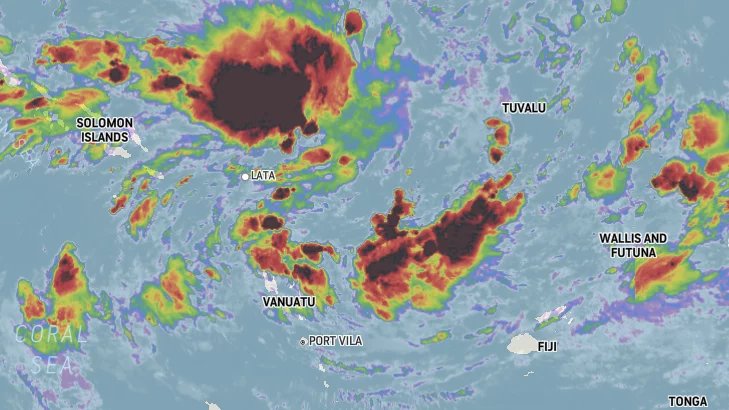
A powerful tropical cyclone is currently moving across waters near Papua New Guinea and the Solomon Islands, raising serious concerns across the Southwest Pacific.
With sustained wind speeds reaching between 165 and 176 kilometers per hour, the system has already entered the category of a severe tropical cyclone, capable of causing widespread disruption, infrastructure damage, and life threatening conditions both along coastlines and inland areas.
RECOMMENDED STORIES
- Amazon aims to expand cloud and AI footprint in ASEAN region
- Google plans huge Missouri data center amid AI boom
- Pro-Iran hacker group threatens cyberattacks on US and Israeli infrastructure
- The global race for AI sovereignty: Why countries are fighting to control their artificial intelligence future
Meteorological assessments indicate that the system is still organizing and drawing energy from warm ocean waters, which means that it has not yet reached its peak intensity. The most critical phase is expected to unfold between April 9 and April 12, when environmental conditions may allow the cyclone to strengthen further while moving across vulnerable island regions.
Authorities and emergency management agencies in both Papua New Guinea and the Solomon Islands are closely monitoring the situation as forecasts continue to evolve. The combination of strong winds, heavy rainfall, and storm surges creates a multi hazard scenario that significantly increases the risk profile of this event.
What exactly is a tropical cyclone and how does it form
A tropical cyclone is a rotating storm system that forms over warm ocean waters, typically when sea surface temperatures exceed 26 degrees Celsius. These systems derive their energy from the heat released when moist air rises and condenses, creating powerful convection currents.
As the system organizes, it develops a low pressure center surrounded by spiraling bands of thunderstorms. The Coriolis effect, caused by the Earth’s rotation, helps the storm begin to spin. Over time, if conditions remain favorable, the cyclone intensifies, with wind speeds increasing and the central pressure dropping.
In the case of the current system near Papua New Guinea and the Solomon Islands, several key factors are contributing to its strength. Warm ocean waters are providing ample energy, atmospheric instability is supporting strong convection, and relatively low wind shear is allowing the storm structure to remain intact.
Why are wind speeds of 165 to 176 km/h significant
Wind speeds in the range of 165 to 176 km/h place the cyclone firmly in the category of a severe tropical cyclone. At this level, winds are strong enough to cause major structural damage, uproot trees, destroy weak buildings, and disrupt essential infrastructure such as power lines and communication networks.
Roofs can be torn off, lightweight structures can collapse, and flying debris becomes a serious hazard. Even well constructed buildings may suffer damage, especially if they are exposed to prolonged wind stress.
In coastal areas, strong winds also contribute to wave generation, increasing the risk of storm surges and coastal flooding. Inland, wind driven rainfall can lead to flash flooding and landslides, particularly in mountainous or densely vegetated regions.
What are storm surges and why are they dangerous
A storm surge is a rise in sea level caused primarily by strong winds pushing water toward the shore, combined with the low pressure at the center of the cyclone. This phenomenon can lead to rapid and severe coastal flooding, often occurring within a short period of time.
Storm surges are particularly dangerous because they can inundate large areas without much warning, especially if they coincide with high tide. In low lying island regions such as those in the Solomon Islands and coastal parts of Papua New Guinea, even a moderate surge can have devastating consequences.
The impact of a storm surge is not limited to flooding. Saltwater intrusion can damage crops, contaminate freshwater supplies, and disrupt local ecosystems. Infrastructure such as roads, ports, and buildings near the coast can be severely affected.
How serious is the risk of heavy rainfall
Extremely heavy rainfall is one of the most significant threats associated with this cyclone. As the system moves slowly across the region, it can release large amounts of precipitation over a short period of time.
This type of rainfall can overwhelm drainage systems, cause rivers to overflow, and lead to both flash flooding and prolonged flooding. In areas with steep terrain, saturated soils increase the likelihood of landslides, which can block roads, isolate communities, and cause casualties.
In Papua New Guinea, where many communities are located in mountainous regions or near rivers, the risk of flooding is particularly high. Similarly, in the Solomon Islands, heavy rainfall can quickly affect small island environments where natural drainage is limited.
What makes flooding especially dangerous in this situation
Flooding becomes especially dangerous when it occurs in combination with other cyclone related hazards. Strong winds can damage infrastructure, making it harder to evacuate or access affected areas. Storm surges can push seawater inland, while heavy rainfall adds freshwater flooding on top of that.
This combination creates a complex and highly unpredictable situation. Roads may become impassable, communication systems may fail, and emergency services may struggle to reach those in need.
Floodwaters can also carry debris, contaminants, and pathogens, increasing the risk of injury and disease. In rural or remote areas, access to clean water and medical care may be severely limited during and after the event.
Why is the period between April 9 and 12 critical
Forecast models indicate that environmental conditions during this period are particularly favorable for cyclone intensification. Sea surface temperatures remain high, and atmospheric conditions are expected to support continued development.
This means that the cyclone could strengthen further, potentially increasing wind speeds, rainfall intensity, and storm surge risk. At the same time, the system’s movement may bring it closer to populated areas, increasing the potential for direct impacts.
The timing is also critical because it allows limited preparation time for communities that may be in the path of the cyclone. Authorities are therefore urging residents to take precautionary measures well in advance of the peak impact period.
Which areas are most at risk
The areas most at risk include coastal and low lying regions of Papua New Guinea and the Solomon Islands, as well as inland areas prone to flooding and landslides.
In Papua New Guinea, vulnerable regions include coastal provinces and river basins where heavy rainfall can quickly lead to flooding. In the Solomon Islands, small island communities are particularly exposed to storm surges and high winds.
Remote and rural communities face additional challenges due to limited infrastructure and access to emergency services. In these areas, even a moderate cyclone can have severe consequences.
How are governments and authorities responding
Authorities in both countries are closely monitoring the cyclone and issuing warnings to the public. Emergency response plans are being activated, and resources are being mobilized to support affected communities.
This includes preparing evacuation centers, distributing emergency supplies, and coordinating with local authorities to ensure that information reaches even the most remote areas.
Meteorological agencies are providing regular updates, while disaster management offices are working to assess risks and plan response strategies. International organizations may also provide support if the situation escalates.
What precautions should people take
Residents in affected areas are being advised to take several precautionary measures. These include securing homes and property, stocking up on essential supplies such as food, water, and medicine, and preparing emergency kits.
People living in flood prone or coastal areas may be advised to evacuate to safer locations. It is important to follow official instructions and stay informed through reliable sources.
During the cyclone, individuals should stay indoors, avoid travel, and keep away from windows and doors. After the storm passes, caution is still necessary due to potential hazards such as flooded roads, damaged infrastructure, and contaminated water.
What are the potential long term impacts
Beyond the immediate damage, the cyclone could have long term impacts on infrastructure, agriculture, and local economies. Flooding and storm surges can damage crops, affecting food security and livelihoods.
Rebuilding infrastructure such as roads, bridges, and buildings can take time and resources. In some cases, communities may be displaced, requiring long term support and recovery efforts.
Environmental impacts are also possible, including damage to coral reefs, mangroves, and other ecosystems that play a crucial role in coastal protection and biodiversity.
How does climate change influence such cyclones
There is growing scientific consensus that climate change is influencing the behavior of tropical cyclones. Warmer ocean temperatures provide more energy for storm development, potentially leading to stronger and more intense cyclones.
Additionally, rising sea levels can exacerbate storm surges, increasing the risk of coastal flooding. Changes in atmospheric patterns may also affect cyclone tracks and rainfall distribution.
While it is not possible to attribute a single cyclone directly to climate change, the overall trend suggests that such events may become more intense and potentially more damaging over time.
What happens after the cyclone passes
After the cyclone moves away, the focus shifts to recovery and assessment. Authorities will evaluate the extent of damage, provide assistance to affected communities, and begin rebuilding efforts.
Emergency services will work to restore essential infrastructure, including power, water, and communication systems. Humanitarian assistance may be required to support displaced populations and those who have lost homes or livelihoods.
Health risks may also arise in the aftermath, particularly in areas affected by flooding. Ensuring access to clean water, sanitation, and medical care becomes a priority.
Why early preparation is crucial
One of the key lessons from past cyclones is that early preparation can significantly reduce the impact on communities. Taking action before the cyclone arrives can save lives, protect property, and improve the effectiveness of emergency response.
Preparedness measures include not only individual actions but also community level planning and coordination. Strong communication systems and clear guidance from authorities play a vital role in ensuring that people know what to do and when to do it.
What is the overall outlook
The cyclone near Papua New Guinea and the Solomon Islands represents a serious and evolving threat. With high wind speeds, the potential for heavy rainfall, and the risk of storm surges, the situation requires close monitoring and proactive response.
The critical period between April 9 and 12 will likely determine the extent of the impact, as the system may intensify further during this time. Communities in the affected regions are being urged to remain vigilant, follow official guidance, and prioritize safety.
While the full impact cannot yet be determined, the combination of hazards associated with this cyclone highlights the importance of preparedness, resilience, and coordinated response efforts in the face of natural disasters.
By Faig Mahmudov


Similar news