How the Israel–Iran escalation will reshape the Middle East



Editor’s note: Moses Becker is a special political commentator for News.Az. He holds a PhD in political science and specializes in interethnic and interreligious relations. The views expressed in this article are the author’s own and do not necessarily reflect the position of News.Az.
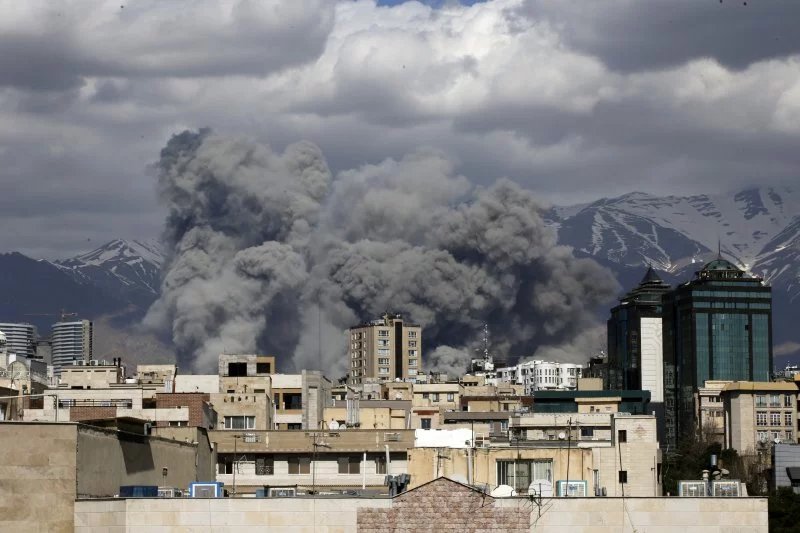
On February 28, 2026, at 8:00 a.m., 200 Israeli Air Force aircraft launched Operation Roaring Lion, striking approximately 500 targets in Tehran and other central parts of Iran. As early as February 26, it became clear that negotiations between the United States and Iran had reached a deadlock, with neither side willing to make concessions.
RECOMMENDED STORIES
The timing of the operation coincided with the eve of the Jewish holiday of Purim, which begins on the evening of March 2 and is historically linked to ancient Persia. According to the Scroll of Esther (Megillat Esther), events described in the text took place within the Achaemenid Empire nearly 2,500 years ago. Some observers noted the historical symbolism, though the present-day geopolitical context differs substantially.
Tensions between Iran and Israel have been longstanding, but today’s conflict reflects modern military capabilities, alliances, and strategic considerations. Israel maintains close coordination with the United States.
 Source: Bloomberg
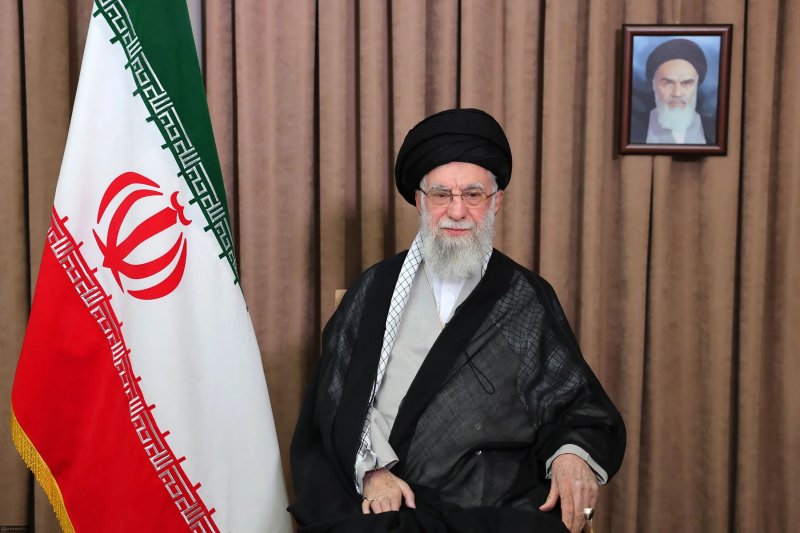
At 8:10 a.m., a strike reportedly targeted the residence of Iran’s Supreme Leader Ali Khamenei. According to Israeli sources, 30 one-ton bombs were used in the attack. Reports indicate that he was killed, along with several senior military officials, including Chief of the General Staff Abdolrahim Mousavi. Earlier reports also listed Ali Shamkhani, Aziz Nasirzadeh, and Gholamreza Rezaeian among the casualties. Iranian President Masoud Pezeshkian was not injured. Under Iran’s constitutional framework, senior officials are expected to assume interim responsibilities.
Israeli officials described the operation as targeting Iran’s military command structure. Precision strikes were also reported against air defense systems in western and central Iran. Israeli authorities said intelligence on meeting locations and schedules enabled the operation.
On March 1, Secretary of Iran’s Supreme National Security Council Ali Larijani announced retaliatory strikes against Israeli and U.S. military facilities in the region. The Islamic Revolutionary Guard Corps confirmed that attacks were underway against Israeli targets.
Air raid sirens were activated in several areas, including near Tel Aviv. The Israel Defense Forces reported that air defense systems were intercepting incoming missiles.
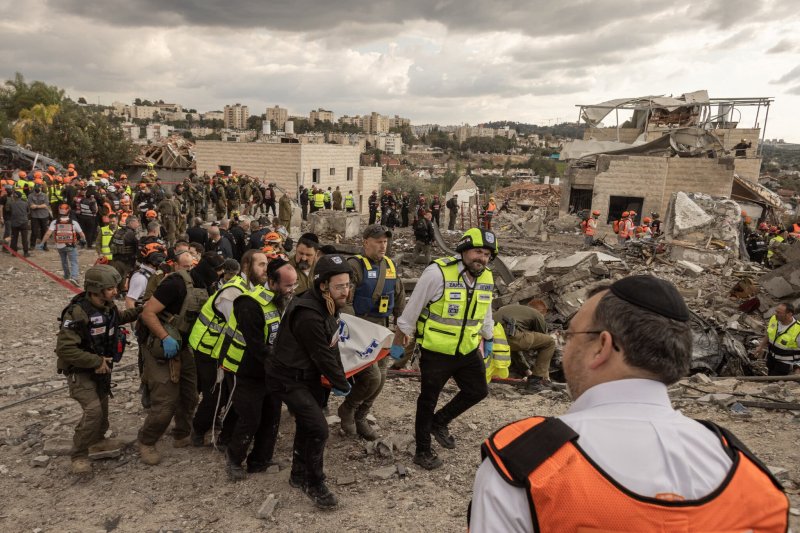
The retaliatory strikes extended beyond Israel to include U.S. military facilities in the Middle East. Explosions were reported in Bahrain, Qatar, Kuwait, the United Arab Emirates, and Saudi Arabia. Targets reportedly included military installations and airports. In Dubai, a hotel on Palm Jumeirah was struck, injuring four people, while another hotel sustained damage. In Abu Dhabi, the airport was hit, resulting in one death and several injuries. In Kuwait, a drone strike injured airport staff. In Israel, a missile struck a residential building. Israel’s national emergency service reported 121 injuries nationwide.
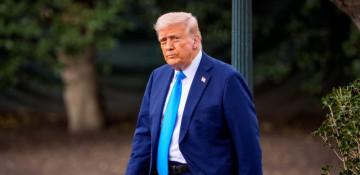
Following the Israeli air operations, U.S. forces joined the campaign under the codename Epic Fury. The operation reportedly expanded beyond air strikes to include naval assets and missile systems, focusing on military targets. President Donald Trump said the objective was to address Iran’s nuclear and ballistic missile capabilities and called on the Iranian population to take control of its future.
Media reports indicated that the IRGC broadcast a message to vessels in the Strait of Hormuz, stating that transit was not permitted, though Iran has not officially confirmed a closure. Analysts noted that any prolonged disruption through the strait would have serious implications for global energy markets.
Internet connectivity in Iran was heavily restricted during the escalation. According to NetBlocks, national connectivity fell to roughly 4% of normal levels. U.S. Central Command stated that American forces sustained no combat casualties and that damage to U.S. facilities was limited, without affecting operational capabilities. No U.S. Navy vessels were reported hit.
 Source: The New York Times
Iranian authorities reported more than 200 deaths in U.S. and Israeli strikes. State media said over 100 students died in a strike on a girls’ school. The Fars news agency reported deaths of several family members of the Supreme Leader.
President Trump stated that military operations would continue as long as necessary to achieve objectives related to regional stability.
Analysts say the escalation represents a major shift in regional security dynamics. The long-term political and strategic consequences remain uncertain and will likely depend on the trajectory of military operations and diplomatic efforts in the coming days.
The Israel–Iran escalation is expected to reshape Middle East security architecture. Gulf states may strengthen defense coordination and reassess strategic partnerships. The conflict increases the risk of broader regional involvement, potentially drawing in additional state and non-state actors. Energy markets are already affected, with concerns over disruptions in key transit routes such as the Strait of Hormuz. Prolonged instability could drive oil prices higher and impact global economic conditions.
The crisis may also accelerate military modernization across the region. Diplomatic channels could become more constrained as mistrust deepens between opposing blocs.
Meanwhile, international powers, including the United States and European countries, may expand political and security engagement in the region. Internal politics in Iran and Israel could evolve depending on the conflict’s trajectory.
Ultimately, the long-term shape of the Middle East will depend on whether the escalation leads to sustained confrontation or renewed diplomatic efforts.
(If you possess specialized knowledge and wish to contribute, please reach out to us at opinions@news.az).


Similar news