Iran-linked hackers claim breach of FBI drone systems


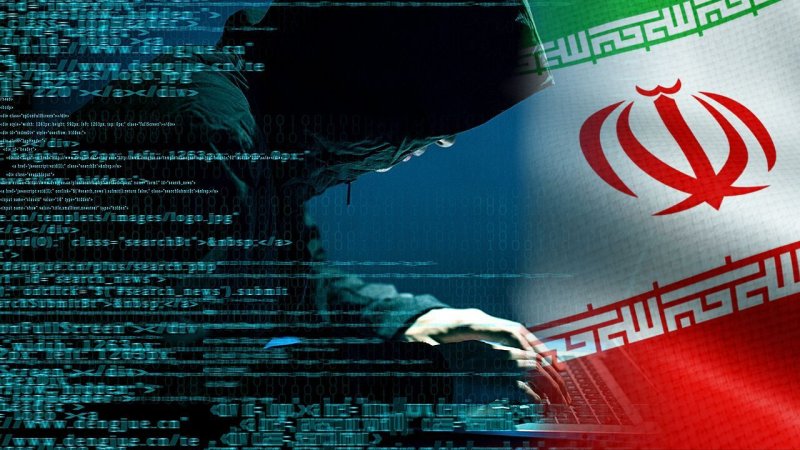
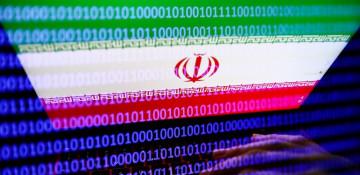
An Iran-linked hacker group has claimed it breached FBI-operated drones and threatened to target the World Cup that began this week, according to a monitoring organization on Friday, News.Az reports, citing Gulf News.
The SITE Intelligence Group, which tracks jihadist and extremist groups, published a statement from a group calling itself Handala, saying it had maintained access “for months” to “every image and every suspect” captured by first-person view (FPV) drones used by the FBI.
According to the hackers, the drones were equipped with facial recognition and license plate screening technology used for counterterrorism purposes.
RECOMMENDED STORIES
“Better tighten your World Cup security, we don’t like some of those teams at all. Don’t forget: FPVs are everywhere; you never know when one might end up right in your team’s bus,” the group said in a statement cited by SITE.
The FBI is deploying drones around World Cup stadiums as part of security measures aimed at protecting against unauthorized aircraft.
Drone flights are also banned over stadiums in the United States hosting matches, as well as over fan events connected to the tournament, which kicked off on Thursday.
The United States Department of Justice has previously warned about the possibility of cyberattacks by Iranian actors following US-Israeli strikes on Tehran in February, which escalated into wider regional conflict.
Handala also released photos and video material it claimed were taken from hacked drones, although SITE Intelligence Group disputed the authenticity of the material.
In one case, SITE said a video presented as evidence of the hack was actually produced in December 2024 by a software company to demonstrate a US police department’s use of its technology for surveying tornado damage.
The group had previously claimed in March that it hacked the email account of Kash Patel, publishing personal photos and other material online.
The US State Department has offered a reward of up to $10 million for information leading to the identification of members of the group.
By Nijat Babayev


Similar news