Kordofan captured: Can Sudan’s army still survive the war?


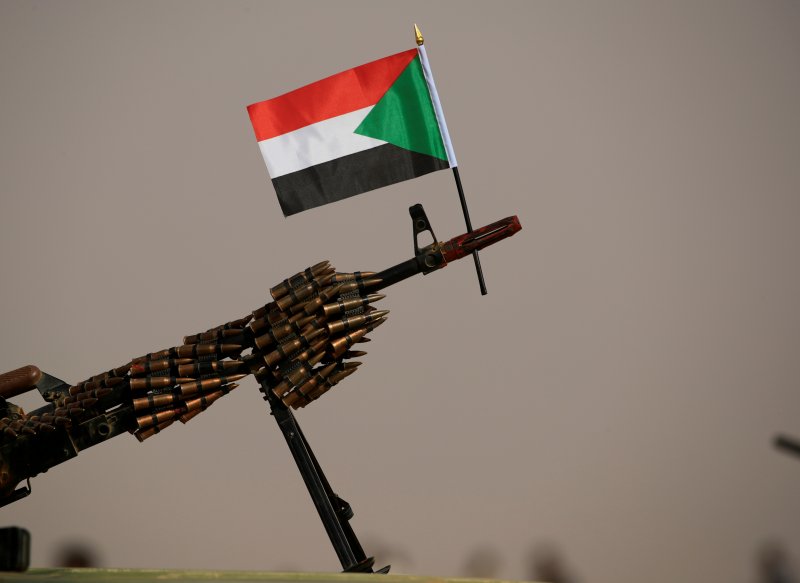
The capture of a major Sudanese army garrison in Kordofan by the Rapid Support Forces (RSF) marks one of the most strategically significant developments in the country’s 19-month conflict. What initially began as a struggle between two military elites has evolved into a deeper national fragmentation, and the fall of this garrison shows just how dramatically the balance of power is shifting on the ground.
The RSF advance was not a sudden or isolated success. According to regional observers, the fighting lasted several days, involving heavy artillery, armored vehicles, and a level of coordination demonstrating the RSF’s evolution from a paramilitary force into a highly mobile, battle-hardened hybrid army. When the Sudanese Armed Forces (SAF) ultimately withdrew, they relinquished not merely a military outpost but a crucial logistical hub that connects Darfur, Kordofan, and supply routes leading toward Khartoum.
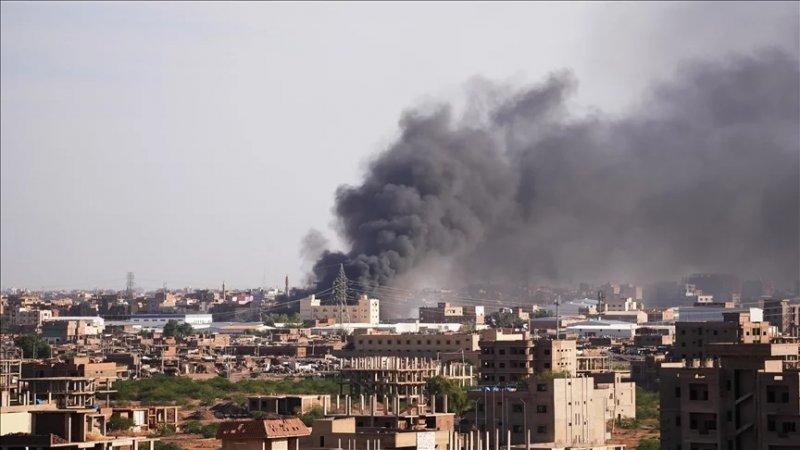
The location of the captured garrison is central to understanding the gravity of this shift. Kordofan has always served as a buffer zone between the historically volatile Darfur region and the political heartland of Sudan. Whoever controls Kordofan controls the arteries that feed conflict or stability into multiple regions at once. By seizing the garrison, the RSF now sits in a position from which it can disrupt SAF supply chains, influence tribal dynamics, shape humanitarian access routes, and potentially isolate army forces deployed further north.
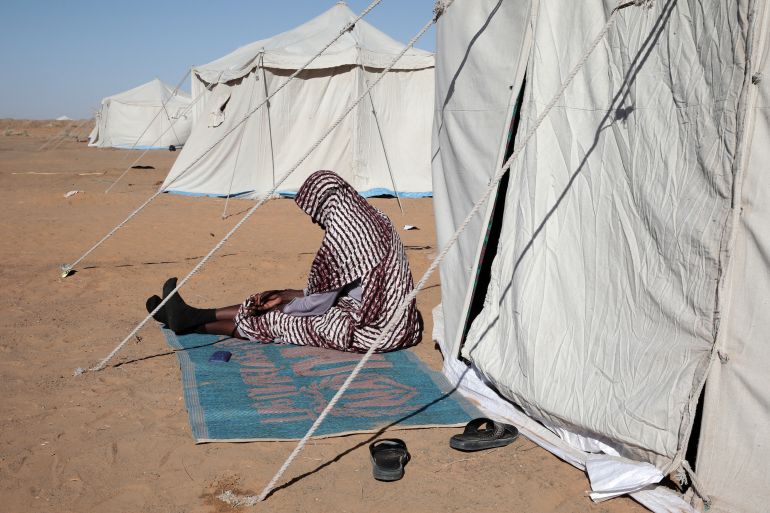
This victory comes amid a war that has devastated urban centers, displaced millions, and dismantled state institutions. More than 9 million people have already fled their homes — the largest displacement crisis in the world today — and the fall of the Kordofan garrison is expected to push thousands more into flight. Local residents fear a cycle of retaliatory violence, forced recruitment, looting, and total breakdown of law and order. For ordinary Sudanese citizens, the conflict no longer feels like a political showdown; it has become a day-to-day struggle for survival.
International humanitarian organizations warn that Sudan is moving toward a catastrophe reminiscent of the darkest moments in modern African conflicts. Food shortages are acute, with famine-like conditions emerging in several regions. Infrastructure collapse and blocked supply routes make aid delivery dangerously unpredictable. Communications blackouts further isolate communities and prevent accurate reporting on casualties or abuses. The fall of a strategic garrison in this environment is not just a military shift — it is a humanitarian alarm bell.
Diplomatically, this moment carries weight far beyond Sudan’s borders. Neighboring states — Egypt, South Sudan, Ethiopia, Chad, the Central African Republic — are watching RSF gains with growing anxiety. Each of them has political, economic, or security interests that are deeply intertwined with Sudan’s stability. The longer the conflict drags on, the more likely it is to spill across borders in the form of arms trafficking, extremist mobilization, refugee flows, and rising tensions over shared resources.
Foreign involvement, while often denied publicly, is increasingly evident. The RSF has benefited from external support networks, financing channels, and access to modern weaponry. The SAF, isolated diplomatically and struggling with internal fragmentation, is leaning more heavily on regional partnerships that may deepen rivalries rather than resolve the conflict. The international community’s diplomatic efforts — led by the African Union, IGAD, the United States, and Gulf states — have so far failed to produce a sustainable ceasefire. Several rounds of negotiations collapsed within days, undermined by mistrust and shifting military realities.
The capture of the Kordofan garrison changes the calculus for future talks. From the RSF perspective, territorial dominance can translate into political legitimacy during negotiations. For the SAF, the loss underscores their increasingly vulnerable position and may force them to recalibrate their strategy, consolidate defensive lines, or seek new alliances. But the most troubling outcome is that as long as both sides believe gains on the battlefield matter more than diplomacy, the war will continue — with civilians paying the highest price.
The broader implications for Sudan’s unity are also impossible to ignore. Analysts warn that the country is inching toward a scenario resembling Libya or Yemen, where rival power centers govern separate territories with competing institutions, external sponsors, and armed factions. The RSF’s expanding control over Darfur and parts of Kordofan, combined with its recruitment networks and resource access, raises the possibility of a parallel authority emerging in western Sudan.
Meanwhile, the SAF’s shrinking dominance in Khartoum and parts of the east threatens to turn these regions into enclaves under siege rather than functioning state centers.
The world’s response remains cautious and limited. Western countries issue statements, humanitarian agencies raise alarms, and regional bodies appeal for dialogue. But none of these efforts are altering the conflict’s trajectory. Sudan’s war does not attract the same level of global attention as crises in Ukraine, Gaza, or the Red Sea region, yet it is arguably more devastating in scale. The fall of the Kordofan garrison is a reminder that ignoring Sudan’s conflict does not make it less dangerous; it only allows it to metastasize quietly.
In the coming weeks, all eyes will be on how both sides respond. If the RSF consolidates its hold and advances toward new army positions, the war could escalate into a phase where the SAF is forced into strategic retreats across multiple fronts. If the army chooses to counterattack, the region may witness even more destructive battles, further jeopardizing civilian lives. For now, what is clear is that Sudan has crossed another threshold — one that brings it closer to total state collapse.
The seizure of this key military base in Kordofan is not simply a tactical victory. It is a turning point that underscores the war’s growing complexity, the deepening humanitarian tragedy, and the urgent need for a radically different international approach. Without decisive diplomatic pressure and unified regional engagement, Sudan risks descending into a prolonged, multi-front conflict that may shape the fate of the region for years to come.
By Asif Aydinly


Similar news