The move comes amid what some diplomats and analysts describe as a broader tightening of Russia’s online environment, including restrictions on mobile internet access and disruptions to widely used foreign messaging platforms, News.Az reports, citing Reuters.
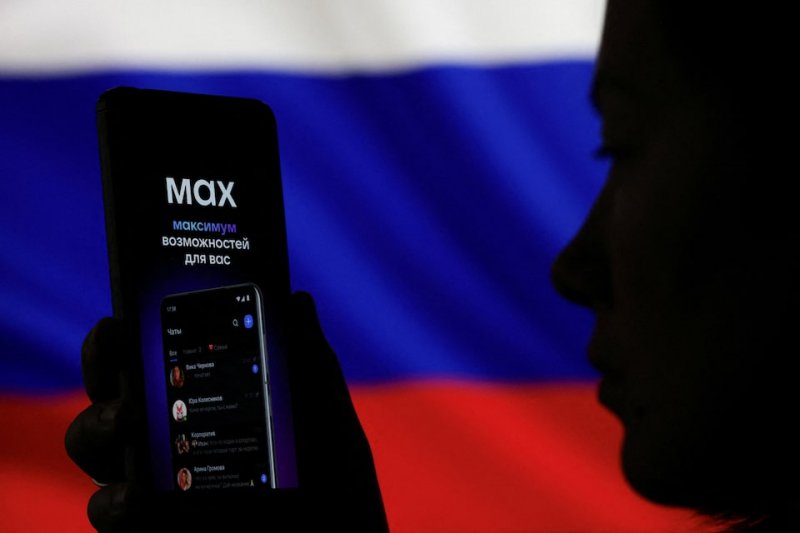
Authorities have promoted MAX as a “national messenger” designed to replace foreign apps such as Telegram and WhatsApp, which have faced partial restrictions and technical disruptions in Russia.
Officials argue the platform is necessary to protect national security, claiming that foreign messaging services may be vulnerable to intelligence access. The app is owned by VK, a major Russian tech company.
VK says MAX has gained widespread adoption since launch, reporting more than 100 million users and describing usage across Russia and several regions including parts of Asia, Africa, and Latin America.
Despite official promotion, some users say they are uneasy about installing the app.
Residents in Moscow described frustration over being encouraged—or in some cases required—to use MAX for communication with institutions and services. One musician said she installed the app only for work-related needs but avoids using it whenever possible.
Others expressed concerns about data privacy, with critics warning that security services could potentially access user information and that automated systems may analyze communications for state monitoring.
Opposition figures and digital rights advocates argue the rollout reflects a broader trend toward tighter control of online communication and a “sovereign internet” model.
Public reaction remains divided. Some users say they support a domestically controlled messaging system and use MAX without concern.
Others say they prefer to continue using established platforms and are reluctant to switch. Several users reported switching between multiple apps due to ongoing restrictions and instability in access to foreign services.
Some users also reported being required to use MAX for verification codes linked to Russia’s state services portal, which is used for official documents, permits, and administrative procedures.
Critics argue such integration effectively makes the app difficult to avoid for everyday administrative life, raising questions about whether its use is truly voluntary.
Experts in Russia’s telecom sector have also questioned the rollout, saying users should not be pushed to adopt a platform before it is fully mature or widely trusted.
The debate reflects a growing tension between state-driven digital sovereignty efforts and public concerns over privacy, choice, and communication freedom in Russia’s increasingly controlled online space.