Saudi Arabia, Türkiye, Egypt eye consortium for Strait of Hormuz as Iran remains silent


Amid the rapidly evolving geopolitical landscape of the Middle East and rising tensions surrounding Iran, the idea of establishing a new mechanism to manage one of the world’s most crucial energy hubs — the Strait of Hormuz — is gaining both economic and strategic importance.
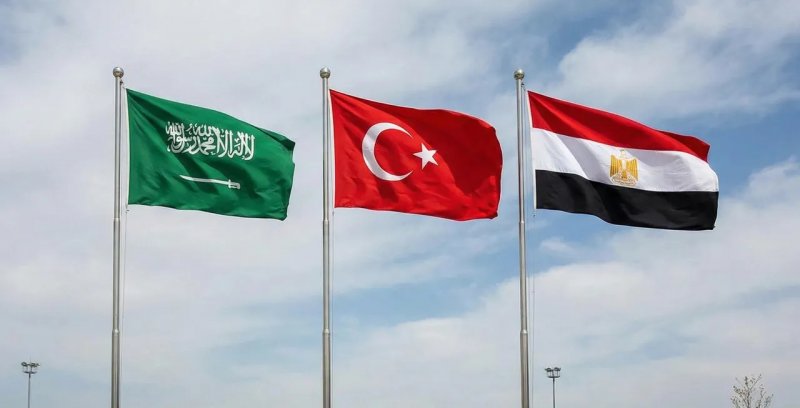
According to a recent report by Reuters, Türkiye, Egypt, and Saudi Arabia are considering forming a consortium to oversee oil flows through the Strait of Hormuz. This vital maritime corridor has long served as a critical artery for global energy trade. Under normal circumstances, roughly 15 million barrels of oil per day, along with an additional 5 million barrels of petroleum products, pass through it. This accounts for about a quarter of all seaborne oil traded globally. However, the current instability linked to the conflict surrounding Iran has sharply reduced these volumes. Available data indicate that the market has already lost up to 11 million barrels per day, while liquefied natural gas shipments from Qatar and the UAE have been effectively blocked.
Many countries are actively seeking solutions to this situation, as passively observing the outcome is no longer an option. The reduction of 11 million barrels per day in oil flowing through the Strait signifies a substantial disruption for global consumers, while oil-exporting nations are being isolated from key markets.
RECOMMENDED STORIES
Last week, the United Arab Emirates announced its intention to intervene in the Hormuz transit route, clarifying that this would not be a military operation. Details regarding the UAE’s strategy for addressing the issue have not been disclosed.
Now, other neighboring countries are stepping into the fray. Türkiye, Egypt, and Saudi Arabia may form a consortium to manage oil flows through the Strait of Hormuz, and according to Reuters sources, Pakistan has been invited to participate. The consortium proposal has reportedly also been discussed with both the United States and Iran.
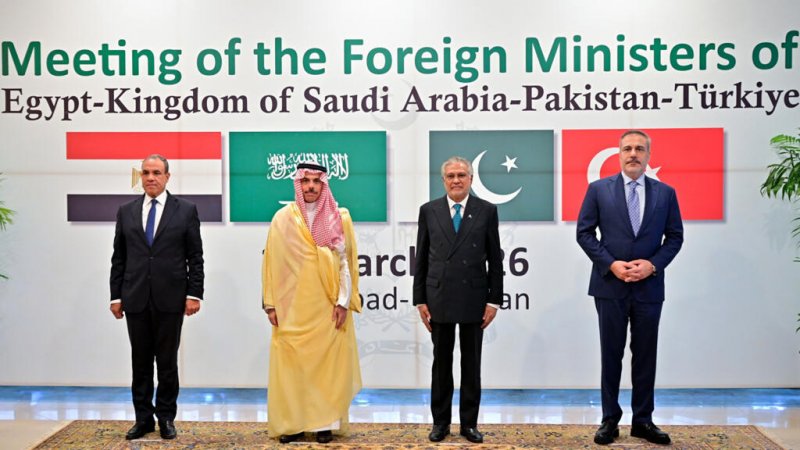 Source: AFP
On March 29, officials met in Islamabad, including Egypt’s Foreign Minister Badr Abdelatty, Saudi Arabia’s Prince Faisal bin Farhan Al Saud, Pakistan’s Ishaq Dar, and Türkiye’s Hakan Fidan. While the meeting was officially aimed at de-escalating regional tensions and exploring pathways to peace, the security of shipping lanes and the future of the Strait of Hormuz were central topics on the agenda.
Interestingly, despite Pakistan hosting the meeting and reports of its potential inclusion in the consortium, Reuters sources stated that Pakistan will not participate. Some Pakistani officials explicitly denied receiving an invitation, and even if one had been extended, Islamabad is unlikely to accept. Nevertheless, five agency sources indicated that the countries meeting in Pakistan submitted proposals to Washington regarding maritime traffic and resuming shipping in the Strait of Hormuz. Among these proposals was a fee structure modeled on that of the Suez Canal.
The selection of Pakistan as the venue is notable. Islamabad maintains close relations with both Tehran and Washington and has openly expressed its interest in leveraging this position to become a key mediator in resolving the conflict. Pakistani Armed Forces Chief Asim Munir is reported to be in regular contact with US Vice President J.D. Vance.
Pakistan is not alone in playing this diplomatic role. Axios previously reported that Egypt, Pakistan, and Türkiye facilitated exchanges of messages between the US and Iran, and even attempted to arrange a call between Iranian Parliament Speaker Mohammad Bagher Ghalibaf and US President Donald Trump’s team. While these efforts reportedly did not succeed, they illustrate that, alongside economic discussions, a complex diplomatic effort aimed at de-escalating tensions is underway.
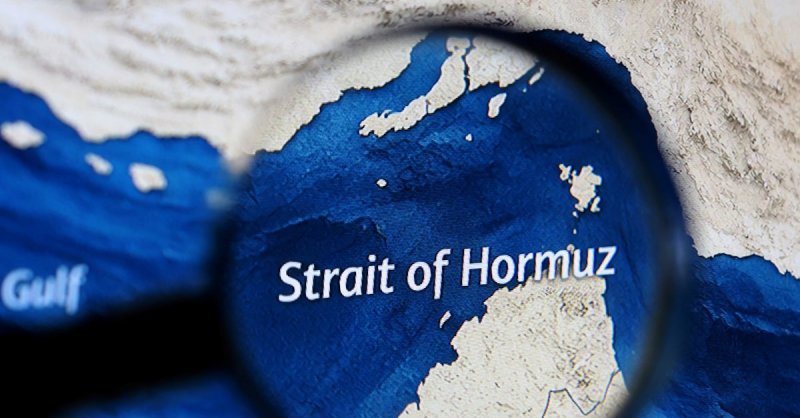 Source: Reuters
During the March 29 meeting, Pakistani Foreign Minister Ishaq Dar briefed the attending ministers on prospects for potential US-Iran talks in Islamabad, receiving unanimous support for the initiative. Dar’s official statement, published on X, emphasized that “Iran and the United States expressed confidence that Pakistan will facilitate negotiations. Pakistan would be honored to host and facilitate meaningful talks between the two sides in the coming days for a comprehensive and lasting resolution to the ongoing conflict. Pakistan’s initiative to hold talks was supported by Chinese Foreign Minister Wang Yi and the UN Secretary-General Antonio Guterres.”
While this may appear encouraging, the critical question remains: how does Iran perceive these developments? Tehran’s stance is currently unknown, and this uncertainty could prove decisive. Iran effectively controls the northern shore of the Strait and has previously demonstrated its ability to influence shipping — both by restricting traffic and selectively allowing passage to vessels from countries such as China, India, and Pakistan. Reports indicate that Tehran has even begun charging individual vessels up to $2 million per passage. Against this backdrop, the idea of establishing a consortium without Iran’s explicit consent raises significant questions. Can a new governance system for the Strait of Hormuz be built without the participation of such a key regional player? Or is this effort an attempt to create an alternative center of influence that could ultimately constrain Tehran’s role?
It is clear that the initiative to form a consortium for the Strait of Hormuz is not merely an economic project. It reflects deeper dynamics shaping regional and global power balances. With energy remaining a central factor in international politics, control over strategic points like the Strait of Hormuz increasingly serves as an instrument of influence.
Ultimately, whether this initiative will foster stability or exacerbate tensions depends largely on Iran’s response and the willingness of all parties to prioritize coordination over competition.
By Tural Heybatov


Similar news