Trump’s new tariffs could cost Porsche, Mercedes $3.7 billion


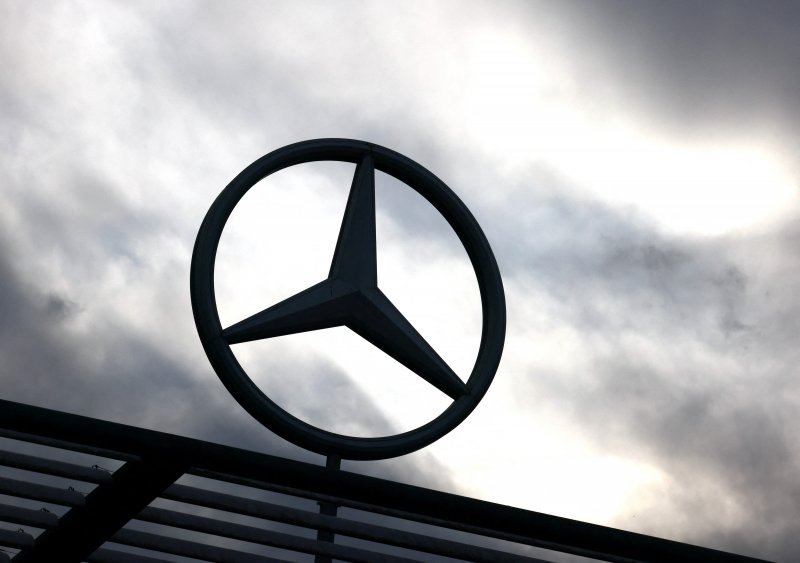
Porsche AG and Mercedes-Benz Group AG are set to be the hardest hit by President Donald Trump’s latest trade measures, with new US tariffs on imported cars potentially costing them €3.4 billion ($3.7 billion).
Trump’s additional 25% duties, to be collected from April 3, could wipe out around a quarter of Porsche and Mercedes’ projected 2026 operating earnings, according to Bloomberg Intelligence. To offset the impact, manufacturers may have to raise prices or shift more production to the US, News.Az reports, citing Bloomberg.
The levies threaten to upend the European auto industry’s reliance on exports to the lucrative US market. German carmakers are most at risk as they send more vehicles to the US than to any other country, including many of their higher-margin combustion-engine models like Porsche’s 911 sports car and Mercedes’ S-Class sedan.
Porsche and Mercedes shares both declined as much as 5.7% in Frankfurt, with BMW AG dropping 4.9%. Volkswagen AG, which also owns Audi and Lamborghini, fell as much as 4.3%, while Aston Martin Lagonda Global Holdings Plc slumped 8.9% in London.
Trump’s latest move is “a fatal sign for free and rules-based trade,” said Germany’s VDA cars lobby, urging Brussels to negotiate with Washington for a deal. Beyond the country’s biggest automakers, the levies also threaten to hurt parts makers including Robert Bosch GmbH and Continental AG.
Most German automakers operate factories in the US where they produce cars both for local buyers and export. With the European Union weighing a response, any escalation of the trade war could further damage an industry already grappling with rising costs and muted demand.
Porsche, which is struggling with lower sales in China, may be most exposed. The luxury-car maker has steadily grown the last 15 years in the US, which just overtook China as its top market. But Porsche’s US dealers are entirely reliant on imports as the manufacturer operates no factory there.
At around €44 billion, Porsche’s market value is now less than half what it was in May 2023, when the stock peaked after one of Europe’s biggest IPOs in years. The steep decline heaps more pressure on Chief Executive Officer Oliver Blume, who runs both Porsche and Volkswagen.
While disappointing demand for Porsche EVs has dogged the company in China, where deliveries fell 28% last year, this is less of an issue in the US. Plug-in car adoption has been slower there, and American consumers have bought more Porsches in all years but one since 2009. Its lone down year was 2020, when the Covid-19 pandemic began.
Stellantis NV has an established US production network that makes Jeep, Dodge, Chrysler and Ram models, with Renault SA least impacted as its sales are mainly in Europe. While auto-industry executives have long lobbied against tariffs — including those the EU imposed on made-in-China EVs — most of them are currently in wait-and-see mode as negotiations between Brussels and Washington continue. Still, even a short period with levies will hurt automakers.


Similar news