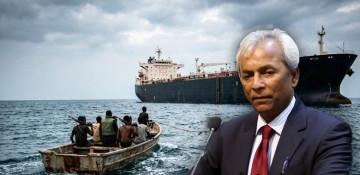
What is behind the attacks on Nigerians in South Africa?



Diplomatic relations between Nigeria and South Africa are facing renewed strain following a wave of anti-immigrant protests and alleged xenophobic attacks in South Africa.
Nigeria has begun repatriating hundreds of its citizens and warned that retaliatory measures against Pretoria remain under consideration, News.az reports
RECOMMENDED STORIES
The latest crisis has exposed deep-rooted tensions surrounding migration, unemployment, crime, nationalism and historical grievances in Africa's two largest economies.
What triggered the latest tensions between Nigeria and South Africa?
The immediate trigger was a new wave of anti-immigration protests across several South African cities, including Johannesburg, Pretoria and Durban.
Thousands of demonstrators took to the streets demanding tougher immigration controls, mass deportations of undocumented migrants and stricter enforcement of border regulations. As protests intensified, reports emerged of attacks on foreign nationals, looting of migrant-owned businesses and threats against immigrant communities.
Nigerian authorities accused South Africa of failing to adequately protect Nigerian citizens living in the country. The deaths of at least two Nigerians during the unrest further escalated tensions, prompting Abuja to begin repatriation efforts and publicly criticize the South African government.
However, the current crisis is not solely about recent attacks. It reflects years of unresolved frustrations and recurring disputes between the continent's two most influential nations.
Why are anti-immigrant attacks increasing in South Africa?
The primary drivers are economic hardship, unemployment and social inequality.
South Africa has one of the highest unemployment rates in the world, particularly among young people. Despite being Africa's most industrialized economy, the country continues to struggle with poverty, slow economic growth and deep inequalities that date back to the apartheid era.
Many South Africans believe undocumented migrants are competing with locals for scarce jobs, housing opportunities and public services. Foreign workers are often accused of accepting lower wages, which some citizens argue depresses salaries and reduces employment opportunities for South Africans.
In many communities, migrants have become convenient scapegoats for broader economic problems. Experts note that while immigrants are often blamed for unemployment and social pressures, the underlying causes are far more complex and include structural economic weaknesses, corruption, poor governance and inadequate service delivery.
As economic frustrations deepen, anger is increasingly directed toward foreign nationals rather than policymakers or institutions.
How does unemployment fuel anti-immigrant sentiment?
Unemployment is perhaps the single most important factor behind the growing hostility toward migrants.
South Africa's official unemployment rate remains among the highest globally, with youth unemployment reaching particularly alarming levels. Millions of South Africans struggle to find stable employment, creating widespread frustration and insecurity.
In such an environment, immigrants are frequently portrayed as economic competitors. Political activists and anti-immigration groups argue that foreign workers are willing to accept lower pay and poorer working conditions, making it harder for local workers to secure jobs.
Whether these claims are fully supported by evidence is heavily debated. However, public perception often matters more than statistical reality. Many struggling South Africans view migration through the lens of economic survival, making immigration a highly emotional and politically sensitive issue.
As a result, periods of economic difficulty often coincide with increased hostility toward foreign communities.
What role do crime concerns play?
Crime is another major factor driving anti-immigrant sentiment.
South Africa continues to battle high levels of violent crime, including robberies, kidnappings and gang-related activities. Some political groups and community organizations argue that undocumented migration makes crime harder to control and contributes to insecurity.
Although studies have repeatedly shown that criminal activity cannot simply be attributed to migrants as a group, isolated incidents involving foreign nationals often receive extensive media and political attention.
This creates a perception among some South Africans that migration and crime are directly linked. Anti-immigration activists frequently cite public safety concerns when calling for stricter border controls and mass deportations.
The result is a powerful narrative that combines economic anxieties with security fears, further intensifying public anger.
Why is Nigeria particularly sensitive to these attacks?
Nigeria's reaction is shaped not only by concern for its citizens but also by history.
Many Nigerians believe their country played a crucial role in supporting South Africa during the struggle against apartheid. For decades, Nigeria provided political, diplomatic and financial support to anti-apartheid movements while many African countries stood in solidarity with South Africans fighting racial segregation.
As a result, many Nigerians feel a strong sense of disappointment when Nigerians become targets of violence in South Africa.
Foreign Minister Bianca Odumegwu-Ojukwu highlighted this historical dimension when criticizing Pretoria's response. Nigerian officials argue that attacks on Nigerians represent a betrayal of the solidarity Nigeria showed during South Africa's liberation struggle.
This historical memory makes xenophobic incidents particularly sensitive and politically charged in Nigeria.
Are politics contributing to the crisis?
Yes. Politics has become a major driver of anti-immigration rhetoric in South Africa.
Several political parties and activist groups have increasingly focused on migration as a central political issue. Organizations such as Operation Dudula and March and March have built significant support by advocating tougher immigration policies and demanding the removal of undocumented migrants.
Some politicians have also adopted strong anti-immigration positions to attract voters frustrated by economic conditions. These campaigns often frame immigration as a major cause of unemployment, crime and pressure on public resources.
Critics argue that such rhetoric risks legitimizing hostility toward migrants and creating an environment in which xenophobic attitudes can flourish.
As migration becomes a more prominent political issue, tensions between local communities and foreign nationals are likely to remain elevated.
What is Operation Dudula and why is it controversial?
Operation Dudula is one of South Africa's most prominent anti-immigration movements.
The group claims it is seeking to protect jobs, public services and economic opportunities for South Africans by pressuring authorities to enforce immigration laws more strictly.
Supporters argue that the movement addresses legitimate concerns about undocumented migration and government inaction.
Critics, however, accuse the organization of promoting xenophobia and encouraging intimidation against foreign nationals. Human rights groups have documented incidents in which migrants were allegedly harassed, threatened or denied access to services.
The movement has become a symbol of the broader national debate over immigration and reflects the growing polarization surrounding the issue.
Why is Nigeria considering retaliatory measures?
Nigerian officials believe South African authorities have not done enough to protect Nigerian nationals.
Abuja argues that many Nigerians targeted during the unrest are legal residents, business owners and workers who have complied with immigration regulations. Reports of looting, harassment and alleged police inaction have intensified calls for a stronger response.
Retaliatory measures remain under discussion, although Nigerian officials have not specified what form they might take.
Historically, previous xenophobic attacks in South Africa have triggered boycotts, protests and threats against South African businesses operating in Nigeria. Companies such as MTN, Shoprite and MultiChoice have previously faced public pressure during diplomatic disputes.
The possibility of economic retaliation highlights the broader implications of the crisis for trade and investment relations between Africa's two largest economies.
Is this the first time Nigeria and South Africa have clashed over xenophobia?
No. Similar tensions have emerged repeatedly over the past two decades.
Major outbreaks of anti-immigrant violence occurred in 2008, 2015 and 2019, resulting in deaths, injuries and widespread property destruction.
Each wave of violence triggered diplomatic disputes between South Africa and several African countries, particularly Nigeria. Previous attacks led to embassy interventions, official protests and economic tensions.
The recurrence of these incidents suggests that the underlying causes have never been fully addressed. Despite repeated government promises and public condemnations, economic grievances, political rhetoric and anti-immigrant sentiment continue to create conditions for periodic outbreaks of violence.
What does the crisis mean for Africa?
The dispute goes beyond bilateral relations.
Nigeria and South Africa are widely regarded as Africa's two most influential powers. Both countries play leading roles in regional diplomacy, peacekeeping, trade and continental institutions.
Rising tensions between them risk undermining efforts to promote African unity, regional integration and economic cooperation under frameworks such as the African Continental Free Trade Area (AfCFTA).
The crisis also raises broader questions about migration within Africa. As economic disparities between countries persist, migration is likely to remain a sensitive issue across the continent.
Ultimately, the latest tensions reveal how economic hardship, political populism, security concerns and historical grievances can combine to strain relations even between countries that share strong diplomatic and economic ties.
By Faig Mahmudov


Similar news