Kursk gamble: Ukraine targets North Korean reinforcements with ATACMS


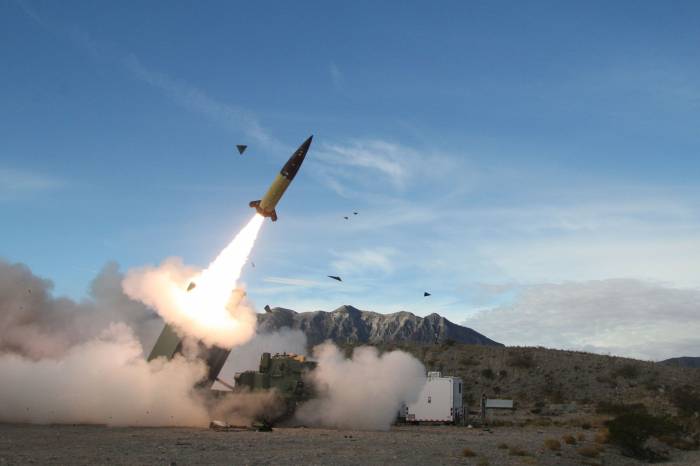
Photo: Getty Images
By Murad Samedov President Joe Biden has granted Ukraine permission to deploy long-range Army Tactical Missile Systems (ATACMS) against Russian-controlled targets, albeit with significant restrictions. This long-anticipated decision coincides with Russia bolstering its frontlines in Ukraine by deploying an estimated 12,000 North Korean troops to the Kursk region. The move reflects the evolving complexity of the war, now shaped by geopolitical gambits and constrained Western support for Kyiv.
Despite their limited range of up to 300 kilometers, ATACMS could target key Russian logistical hubs, such as the Kursk airfield and its surrounding military bases. These strikes may disrupt supply lines and force redeployments, creating localized advantages for Ukraine. However, analysts caution against overestimating their strategic impact. As seen with Germany's Leopard tanks and the US-made F-16 fighter jets, limited quantities dilute their ability to transform the battlefield.
Russian President Vladimir Putin responded with sharp rhetoric, framing the decision as a sign of NATO's direct involvement in the war. According to Putin, Ukraine lacks both the technical capacity to operate ATACMS independently and the satellite systems necessary for precision targeting, implying that NATO forces would play an active role. By elevating the conflict to a NATO-Russia confrontation, Putin seeks to stoke fears of escalation, which have historically constrained Western aid to Ukraine.
The introduction of North Korean troops into Russia’s Kursk region adds another layer of complexity. Intelligence reports estimate the deployment of around 12,000 soldiers, accompanied by significant arms shipments to replenish Russia’s depleted munitions stockpiles. This move enables Russia to divert its regular forces from defensive positions in Kursk to more strategically significant fronts, such as Donbas, where combat intensity remains high.
The ATACMS permission may be tailored to address this new reality. Early reports suggest that their deployment could be restricted to countering North Korean reinforcements in the Kursk region. If executed effectively, such strikes could weaken
Russia’s broader capacity to sustain operations across multiple fronts.
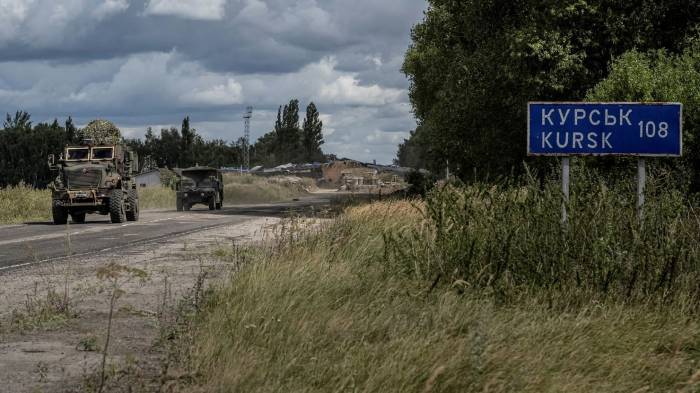
Ukrainian servicemen at a crossing point at the border with Russia on August 13. Photo: Reuters
However, this approach reflects the broader limitations of Western military support for Ukraine. Since the war’s outset, Washington has adhered to a policy of "some but not enough" aid, ensuring that Ukraine remains operational without risking escalation.
Critics argue that this piecemeal strategy has emboldened Moscow while prolonging the conflict, depriving Ukraine of the resources needed for a decisive breakthrough.
Domestically and internationally, Ukraine faces growing pressures that complicate its military and political strategy. Western allies, grappling with economic challenges and political shifts, have signaled a gradual withdrawal from robust support. Europe, mired in recession, has scaled back aid, with Germany and France announcing cuts to their contributions. In the United States, the political landscape is shifting, with former President Donald Trump and key congressional factions advocating for reduced assistance.
These developments have forced Zelenskyy to adjust his rhetoric. Once centered on outright victory, his messaging now emphasizes "resistance" and perseverance. This shift reflects the growing realization in Kyiv that international support may decline further, especially as the US approaches a contentious presidential election in 2024.
Publications like The New York Times have amplified this sense of fatigue. Recent editorials described the war as "unwinnable," characterizing Ukraine as a US "protectorate" subjected to a morally questionable strategy of attritional warfare against Russia. Such narratives risk undermining the resolve of Western governments and publics, further constraining Ukraine's ability to secure sustained support.
Amid these challenges, diplomatic efforts to end the conflict have gained traction. German Chancellor Olaf Scholz’s recent phone call with Putin —his first in two years—highlighted renewed interest in negotiation, though with little progress. Putin reiterated that any ceasefire must reflect "realities on the ground," interpreted as Russia’s intent to retain control over occupied territories.
While Scholz’s outreach underscores Europe’s growing appetite for peace talks, Ukraine remains deeply skeptical. Zelenskyy has criticized such efforts, arguing that dialogue with Putin legitimizes Russia’s aggression and weakens Ukraine’s position. This skepticism is compounded by Russia’s renewed missile attacks on Ukraine’s civilian infrastructure, a tactic aimed at demoralizing the population as winter sets in.
UN Secretary-General António Guterres, speaking ahead of the G20 summit in Brazil, echoed calls for restraint but offered little in terms of actionable solutions. Calls for a ceasefire, while growing louder, face significant obstacles as both sides remain entrenched in their positions.
The deployment of ATACMS underscores the piecemeal nature of Western military support. While these missiles can provide tactical advantages—such as targeting supply lines and disrupting Russian logistics—they are unlikely to shift the strategic balance of the war. The limited quantities and geographic restrictions imposed by the US further diminish their transformative potential.
Nevertheless, the arrival of ATACMS could carry symbolic weight. By targeting Russian assets deeper within occupied territories, Ukraine may be able to demonstrate its capacity for strategic operations, boosting morale and sending a message of resilience to its allies. Yet, this symbolism does little to address the war’s fundamental dynamics, marked by attritional fighting and geopolitical brinkmanship.
As the conflict grinds on, the war’s trajectory appears increasingly uncertain. Ukraine faces mounting challenges: dwindling manpower, economic strain, and wavering international support. Meanwhile, Russia’s position has strengthened, bolstered by reinforcements and a resilient economy.
The ATACMS approval, while a tactical milestone, reflects the limitations of Western engagement. Without a decisive shift in strategy or resources, the war risks devolving into a protracted stalemate, with devastating consequences for both Ukraine and the broader international order.
The prospect of peace remains elusive, constrained by entrenched positions and mutual distrust. As winter deepens and the human toll mounts, the world watches anxiously, uncertain of whether diplomacy or escalation will define the war's next chapter.


Similar news