Turning frozen assets into a weapon: How the West is financing the Ukraine war


Editor's note: Aysel Mammadzada is an Azerbaijan-based journalist. The views expressed in this article are the author’s own and do not necessarily reflect those of News.Az.
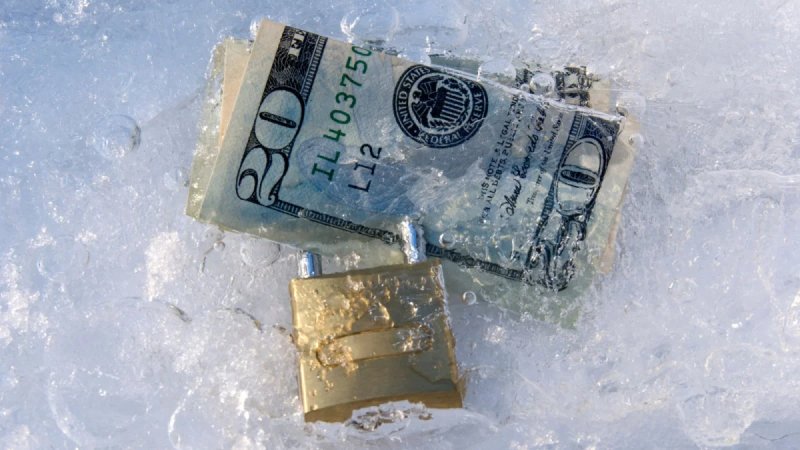
The West likes to present itself as the moral arbiter of global order. Yet its latest gambit — indefinitely freezing Russian assets — is less about principle and more about financial opportunism disguised as righteousness. Over €210 billion in Russian funds are now held hostage in European banks, raising a crucial question: is this a clever strategy to support Ukraine, or a reckless seizure of sovereign wealth that undermines international law and global financial stability?
Sanctions or legalized theft?
The European Union has abandoned the usual temporary freezes, opting instead for indefinite sanctions. Brussels claims this prevents Russia from funding its war in Ukraine, but what is remarkable, and troubling, is the speed with which the West has normalized what is effectively the confiscation of another state’s central bank reserves. This is not a minor escalation; it is an extraordinary encroachment on the principles that underpin the global financial system.
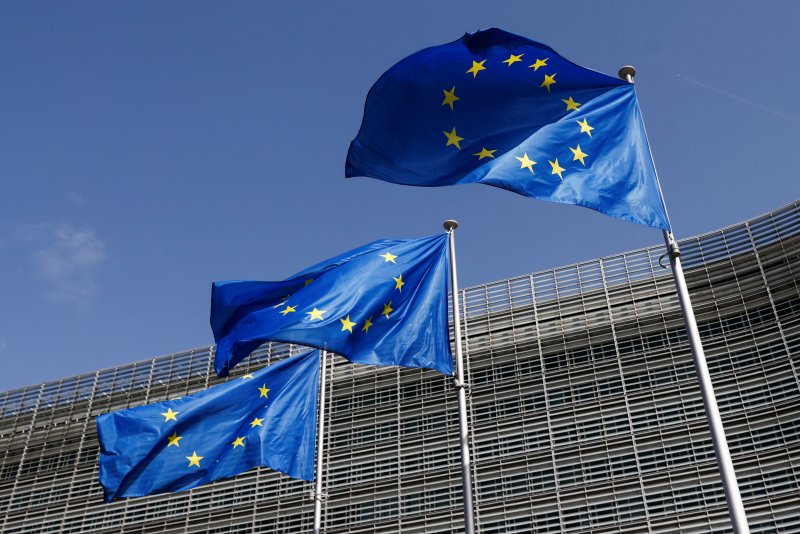
Plans to use these frozen funds as loans or reparations for Ukraine are being sold as noble and practical. Yet critics cannot ignore the uncomfortable reality: turning seized sovereign wealth into a slush fund for reconstruction blurs the line between justice and outright expropriation. What the West frames as moral leverage is, at its core, a financial power grab.
A financial gamble with Europe on the line
The risks of this strategy are profound. Institutions like Euroclear face legal peril and operational headaches, with rating agencies already issuing warnings. If these frozen funds are mishandled, the shockwaves could destabilize European capital markets, harming the very economies that claim to uphold the rules-based order.
Even the technical assumptions behind this plan are naive. Liquidity, market stability, and sovereign finance are complex; the West’s approach treats them as secondary to the symbolic thrill of punishing Moscow. In doing so, it risks prioritizing optics over prudence — a dangerous gamble that could backfire spectacularly.
Legality is a gray area, morality is murkier
Russia’s lawsuit against Euroclear, claiming $230 billion in damages, is not a minor inconvenience; it exposes the legal thin ice beneath the West’s confidence. By attempting to weaponize sovereign assets, the West risks eroding norms that have protected central bank reserves for decades. If a precedent is set, future conflicts may turn foreign reserves into hostages in global power struggles — a chilling prospect for international finance.
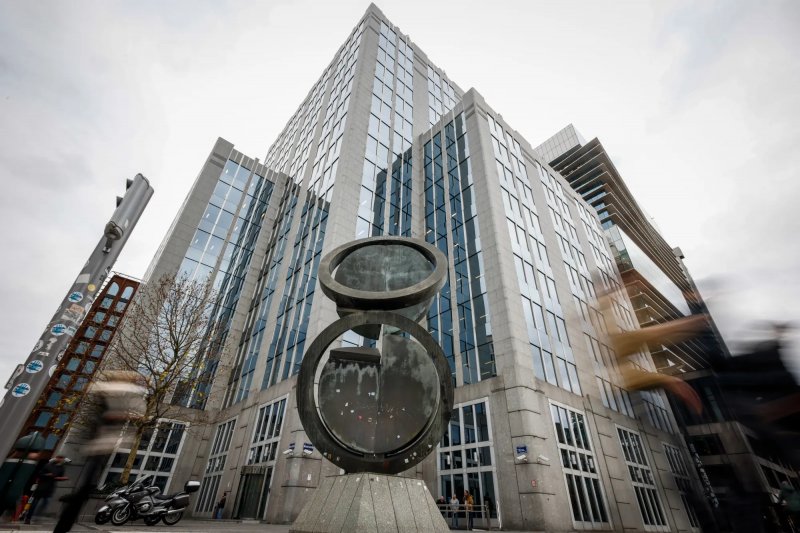
Meanwhile, Europe’s internal divisions signal unease. Italy, Belgium, and others warn that confiscating state funds, no matter how justified it seems, could inflict diplomatic and reputational damage. Yet the West presses forward, framing the move as a moral imperative. The real question: is this morality, or calculated opportunism?
A weapon with no guarantees
The freezing of Russian assets demonstrates a new type of financial warfare, where capital, rather than bullets, becomes a tool to influence geopolitical outcomes. It is a creative, if controversial, approach that combines sanctions, legal maneuvering, and strategic finance.
However, the weapon is not without its limits. Legal challenges, market instability, and diplomatic pushback serve as checks on its effectiveness. The West must balance the need to punish Moscow and support Ukraine with the broader imperative of maintaining international financial norms.
Conclusion
Frozen Russian assets are portrayed as a bold and ethical strategy to punish aggression and aid Ukraine. In truth, they are a high-stakes experiment in wielding economic power, with Europe’s credibility, financial stability, and the integrity of international law hanging in the balance.
The West is betting that financial coercion will work where diplomacy and sanctions have only partially succeeded. But ambition without foresight is dangerous: mismanagement could not only fail to support Ukraine, it could trigger the very instability the West claims to oppose. In this new era, where money, law, and politics intersect, the West risks proving that even the most powerful financial weapons can wound their wielder.
(If you possess specialized knowledge and wish to contribute, please reach out to us at opinions@news.az).


Similar news