Ukraine–Russia war over the past week: Civilian deaths, drone strikes, and attacks on energy infrastructure



The past week in the Ukraine–Russia war was marked by escalating violence, devastating civilian losses, and bold strikes deep inside Russian territory, underscoring the conflict’s growing intensity.
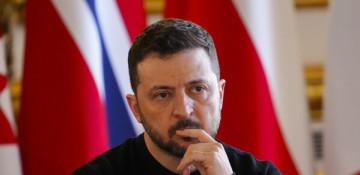
The week began on September 9, when a Russian airstrike on the village of Yarova in Ukraine’s Donetsk region killed more than 20 civilians and wounded at least 21 others. Victims had gathered to receive pension payments when the attack hit. Ukrainian President Volodymyr Zelenskyy condemned the strike as a deliberate assault on peaceful residents and urged the international community to increase pressure on Moscow.
Tensions then spread beyond Ukraine’s borders on September 10, as reports confirmed that Russian drones had crossed into Polish and Romanian airspace. Both NATO countries scrambled fighter jets and summoned Russian officials, warning that such incidents risk dangerous escalation into alliance territory.
The situation intensified dramatically during the night of September 11–12, when Russia launched one of its largest air offensives in recent months. Ukrainian authorities reported more than 800 drones and 13 missiles were fired across the country. In Kyiv, the Pecherskyi district government building was set ablaze — the first administrative building in the capital to be struck since the war began. At least four people, including a child, were killed in the barrage, which strained Ukraine’s air defense systems despite their success in intercepting most of the incoming threats.
On September 12, Russia reported gains on the battlefield with the capture of the settlement of Sosnivka in the Dnipropetrovsk region. Ukraine retaliated by launching drone swarms into the Russian Belgorod region, forcing schools and businesses to close. Local authorities instructed parents to keep children at home, highlighting the disruption Ukrainian strikes are now causing inside Russia.
Over the weekend of September 13–14, Ukrainian drones struck key Russian energy facilities. The Kirishi oil refinery in the Leningrad region was set ablaze, while the Primorsk oil terminal on the Baltic Sea also came under attack. Although no casualties were reported, the strikes disrupted Russian energy operations, signaling Ukraine’s intent to target infrastructure that directly funds Moscow’s war effort.
Finally, on September 15, humanitarian concerns resurfaced with the release of a report by the Landmine & Cluster Munition Monitor. The study revealed that more than 1,200 civilians have been killed or injured by cluster munitions in Ukraine since 2022. While both sides have employed the controversial weapons, the report concluded that Russia remains the primary user. Human rights organizations warned of long-term dangers posed by unexploded ordnance scattered across fields, towns, and cities.
The developments of the past week reflect a deepening cycle of escalation: Russia is intensifying its air campaigns, Ukraine is expanding its drone warfare into Russian territory, and civilians on both sides continue to bear the heaviest cost. With the conflict pushing beyond Ukraine’s borders and targeting critical energy infrastructure, the risks of wider regional destabilization remain high.


Similar news