Can Central Asia become the world’s next energy superpower?


Central Asia is increasingly emerging as one of the most strategically important energy regions in the world as global powers compete for access to oil, natural gas, uranium, renewable resources, and critical minerals spread across the vast Eurasian heartland.
For decades, the region remained largely overshadowed by the Middle East, Russia, and other major energy producing centers. Today, however, countries such as Kazakhstan, Turkmenistan, and Uzbekistan are increasingly viewed as future pillars of global energy security.
RECOMMENDED STORIES
The growing geopolitical importance of Central Asia comes at a time when the world is experiencing major transformations in energy markets. The transition toward cleaner energy, rising competition between major powers, sanctions against Russia, instability in the Middle East, and increasing global demand for critical resources have all elevated the region’s significance.
Central Asia sits between Russia, China, South Asia, the Caucasus, and Europe, giving it enormous strategic value not only as an energy producer but also as a transportation and transit corridor.
The region contains some of the world’s largest untapped reserves of natural gas, uranium, rare earth elements, and oil. It also possesses major renewable energy potential through wind, solar, and hydropower projects.
Yet despite its enormous potential, Central Asia still faces serious obstacles including infrastructure limitations, political risks, water shortages, corruption concerns, climate challenges, and geopolitical competition.
Whether the region can truly become the world’s next energy superpower may depend on how successfully these countries balance economic modernization, regional cooperation, and relations with competing global powers.
Why is Central Asia attracting so much attention now?
Central Asia’s importance has increased dramatically because global energy politics are changing rapidly.
The war in Ukraine and Western sanctions against Russia forced Europe and other markets to search for alternative energy suppliers and transportation routes.
At the same time, China continues expanding its economic presence across Eurasia through infrastructure investments connected to the Belt and Road Initiative.
Western countries are also seeking diversified access to uranium, rare earth minerals, and energy supplies amid concerns about overdependence on Russia and China.
Central Asia offers all three: hydrocarbons, strategic minerals, and geographic connectivity.
The region’s position between East and West also makes it essential for new trade and energy corridors linking Asia to Europe.
Projects involving pipelines, railways, ports, and electricity transmission networks are increasingly transforming Central Asia from a remote post Soviet region into a major geopolitical crossroads.
Which Central Asian countries are the most important energy producers?
The three largest energy powers in Central Asia are Kazakhstan, Turkmenistan, and Uzbekistan.
Kazakhstan is by far the region’s largest oil producer and also one of the world’s leading uranium exporters.
The country possesses enormous reserves of crude oil, natural gas, coal, and strategic minerals.
Kazakhstan’s Tengiz, Kashagan, and Karachaganak oil fields rank among the largest energy projects globally.
Kashagan alone is considered one of the biggest oil discoveries in recent decades.
Kazakhstan is also the world’s leading uranium producer, making it critically important for the global nuclear energy industry.
Turkmenistan possesses some of the world’s largest natural gas reserves.
The country’s Galkynysh gas field is among the biggest gas deposits on Earth.
Turkmenistan exports significant volumes of gas to China and seeks to expand exports toward South Asia and Europe.
Uzbekistan also holds major natural gas reserves while increasingly pursuing renewable energy development and industrial modernization.
Meanwhile, Kyrgyzstan and Tajikistan possess important hydropower potential because of their mountainous geography and river systems.
Why is Kazakhstan considered the region’s energy giant?
Kazakhstan dominates Central Asia’s energy landscape because of the sheer scale of its natural resources.
The country holds approximately 30 billion barrels of proven oil reserves and enormous mineral wealth.
Its energy exports are vital not only for the domestic economy but also for international markets.
Kazakhstan supplies crude oil to Europe, China, and global energy traders.
The country also occupies a unique position in the nuclear energy sector through uranium production.
As many countries reconsider nuclear energy amid climate concerns and energy insecurity, Kazakhstan’s uranium exports are becoming increasingly strategic.
The country additionally possesses large reserves of copper, zinc, chromium, and rare earth minerals needed for modern industrial technologies and green energy systems.
Kazakhstan’s leadership has also pursued a relatively balanced foreign policy, maintaining ties with Russia, China, the West, Türkiye, and Gulf states simultaneously.
This diplomatic flexibility increases the country’s attractiveness for international investors.
Why is Turkmenistan important in global gas markets?
Turkmenistan is one of the world’s least discussed but potentially most important natural gas producers.
The country possesses the fourth largest proven gas reserves globally according to some estimates.
Much of Turkmenistan’s economy depends on natural gas exports.
China became the country’s main customer after large pipeline projects connected Central Asian gas fields directly to Chinese markets.
The Central Asia China gas pipeline dramatically transformed regional energy geopolitics by reducing Russian dominance over export routes.
Turkmenistan also supports the long discussed TAPI pipeline project linking Turkmenistan, Afghanistan, Pakistan, and India.
If completed, TAPI could reshape South Asian energy markets.
However, security concerns in Afghanistan and financing challenges continue delaying progress.
Turkmenistan additionally hopes to eventually export gas toward Europe through trans Caspian routes, although geopolitical and infrastructure barriers remain significant.
Why are global powers competing for influence in Central Asia?
Central Asia has become a geopolitical battleground because energy resources and transportation routes carry enormous strategic value.
Russia historically dominated the region economically, militarily, and politically after the collapse of the Soviet Union.
However, China’s influence expanded dramatically during the past two decades through trade, loans, infrastructure investments, and energy projects.
Beijing views Central Asia as essential for energy security and Eurasian connectivity.
China imports large volumes of natural gas and raw materials from the region while financing roads, railways, pipelines, and industrial projects.
The United States and European Union also seek stronger engagement with Central Asia to diversify energy supplies and reduce dependence on Russia.
Türkiye meanwhile promotes cultural, political, and economic ties through the Organization of Turkic States.
Gulf countries are also increasing investments in infrastructure and renewable energy projects.
As a result, Central Asia increasingly resembles a modern version of the historical “Great Game” competition once fought between imperial Russia and Britain.
How important are pipelines in Central Asia?
Pipelines are central to the region’s geopolitical significance because Central Asia is landlocked.
Without access to oceans, energy exports depend heavily on pipeline infrastructure crossing neighboring countries.
Historically, most pipelines ran through Russia, giving Moscow major leverage over regional exports.
China altered this balance by constructing pipelines connecting Central Asian gas fields directly to western China.
Today, pipeline politics shape relations among nearly every major power connected to the region.
Europe also seeks alternative transportation routes bypassing Russia.
This increased attention on the Trans Caspian corridor linking Central Asia to the Caucasus and Türkiye.
The so called Middle Corridor is becoming increasingly important for both trade and energy transportation.
Pipeline infrastructure therefore influences not only economics but also diplomatic alignments and strategic independence.
Can Central Asia benefit from renewable energy too?
Yes.
Although Central Asia is mainly known for fossil fuels, the region also possesses enormous renewable energy potential.
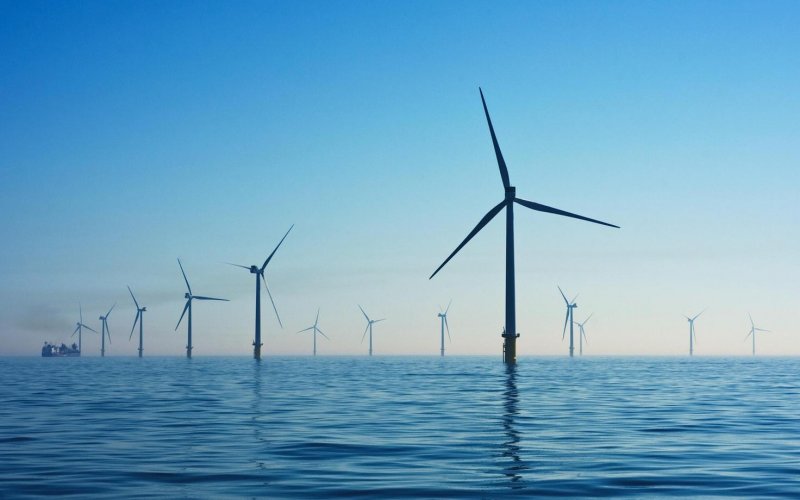
Kazakhstan’s vast steppes provide ideal conditions for wind energy.
Uzbekistan and Turkmenistan possess major solar power potential due to high levels of sunlight across desert regions.
Kyrgyzstan and Tajikistan have extensive hydropower capacity because of mountainous river systems.
International investors increasingly support renewable projects across the region as governments attempt to modernize energy systems and reduce carbon emissions.
Renewables may also help Central Asian countries reduce domestic dependence on fossil fuel consumption, freeing more hydrocarbons for export.
Some governments are additionally exploring green hydrogen production for future export markets.
Why are critical minerals becoming so important?
The global transition toward electric vehicles, renewable energy, and advanced technologies dramatically increased demand for critical minerals.
Central Asia possesses significant reserves of uranium, lithium, copper, rare earth elements, and other strategic resources needed for batteries, semiconductors, and clean technologies.
Countries worldwide are racing to secure reliable supply chains for these materials.
China currently dominates much of the global processing industry for rare earths and battery minerals.
Western countries therefore increasingly seek alternative suppliers.
Kazakhstan’s uranium industry already plays a major role in global nuclear fuel markets.
Future exploration could further increase Central Asia’s importance in the clean energy economy.
What challenges could prevent Central Asia from becoming an energy superpower?
Despite enormous potential, Central Asia faces many serious obstacles.
Infrastructure remains one of the biggest problems.
Many transportation networks, pipelines, and electricity systems still depend heavily on Soviet era infrastructure.
Political risks also remain significant.
Some countries face governance challenges, corruption concerns, weak institutions, and limited economic diversification.
Water scarcity presents another major issue.
Climate change and growing populations are increasing pressure on water resources across the region.
This creates tensions particularly between upstream countries like Kyrgyzstan and Tajikistan and downstream agricultural economies such as Uzbekistan and Kazakhstan.
Security concerns linked to Afghanistan also affect regional stability.
Militant threats, border disputes, and geopolitical tensions can complicate long term investment plans.
In addition, Central Asian economies remain heavily dependent on commodity exports, making them vulnerable to global price fluctuations.
How does climate change affect Central Asia?
Climate change could become one of the region’s greatest long term challenges.
Glaciers in Central Asia’s mountains are melting rapidly, threatening future water supplies.
Rising temperatures increase desertification risks and agricultural stress.
Water shortages could worsen tensions between neighboring countries sharing major river systems.
Extreme weather events may additionally damage infrastructure and reduce hydropower generation.
At the same time, global climate policies may eventually reduce demand for fossil fuels.
Central Asian governments therefore face pressure to diversify economies and invest in renewable energy while hydrocarbons still generate major revenues.
Why is the Middle Corridor becoming so important?
The Middle Corridor is a transportation network linking China to Europe through Central Asia, the Caspian Sea, the Caucasus, and Türkiye.
The route gained importance after sanctions and geopolitical tensions disrupted traditional trade routes through Russia.
For Central Asia, the corridor offers enormous economic opportunities.
Countries can generate transit revenues, attract logistics investments, and strengthen geopolitical leverage.
The corridor also supports energy transportation diversification.
Europe increasingly views the route as strategically important for reducing reliance on Russian infrastructure.
As trade flows expand, Central Asia’s role as a Eurasian crossroads may become nearly as important as its raw materials themselves.
Could Central Asia reduce Europe’s energy dependence on Russia?
Potentially yes, although not immediately on a massive scale.
Kazakhstan already exports oil toward European markets.
Turkmenistan possesses enough gas reserves to potentially become a major alternative supplier if infrastructure obstacles can be solved.
However, significant barriers remain.
Pipeline routes toward Europe require major investments and political agreements.
Russia and Iran historically opposed some trans Caspian pipeline proposals.
Still, European interest in Central Asian energy cooperation has increased substantially since the Ukraine war.
The EU increasingly sees Central Asia as part of broader energy diversification strategies.
How is China shaping Central Asia’s future?
China has become the region’s largest economic partner in many sectors.
Through infrastructure investments, energy projects, and trade expansion, Beijing transformed Central Asia’s economic geography.
Chinese financing helped build pipelines, roads, railways, and industrial facilities.
China also imports large quantities of natural gas, minerals, and raw materials from the region.
However, Beijing’s growing influence creates mixed reactions locally.
Some governments welcome investment opportunities, while others worry about debt dependence and excessive foreign influence.
Still, China’s role will likely remain central to Central Asia’s future development.
Can Central Asia truly become a global energy superpower?
The answer depends on how “energy superpower” is defined.
Central Asia already possesses resources capable of making it one of the world’s most strategically important energy regions.
Its oil, gas, uranium, hydropower, and critical minerals provide enormous economic and geopolitical value.
However, becoming a true superpower requires more than natural resources alone.
The region must improve infrastructure, strengthen governance, manage climate risks, attract investment, and diversify export routes.
Regional cooperation will also be essential.
Competition between outside powers could either accelerate development or create instability depending on how governments manage foreign relationships.
What is clear is that Central Asia’s importance is rising rapidly.
The region is no longer viewed simply as a remote post Soviet space.
Instead, it is increasingly becoming one of the key frontiers shaping the future of global energy, trade, and geopolitical competition in the twenty first century.
By Faig Mahmudov


Similar news