Chronicle of events: A week of escalation in the Middle East


The Middle East remains on edge as Israel intensifies military operations against Lebanon and Hezbollah, maintains a siege of Gaza, and heightens its rhetoric towards Iran. These conflicts affect not only regional countries but also draw the attention of the global community. The escalating violence has significant implications for international security and stability, News.Az reports.
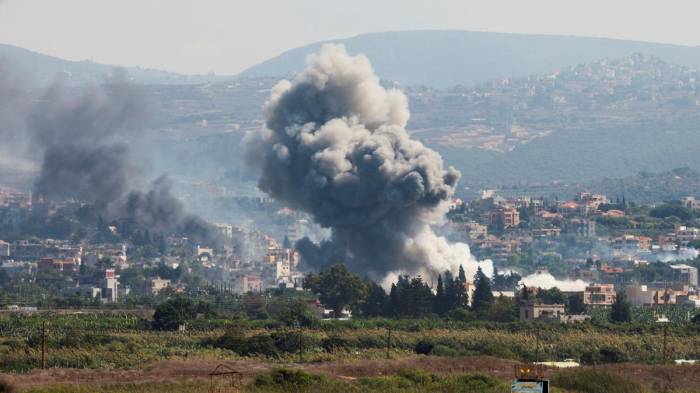
Israel-Lebanon conflictIsrael ramped up airstrikes in southern Lebanon and Beirut, targeting Hezbollah facilities and infrastructure. On October 7, Israel deployed a third division for ground operations in southern Lebanon, leading to severe destruction and civilian casualties. Entire neighborhoods were damaged, and thousands of residents were forced to flee.
Israeli authorities issued evacuation orders for 25 towns and villages in southern Lebanon , while airstrikes destroyed four residential buildings in southern Beirut. Lebanon's Health Ministry reported 36 fatalities and more than 150 injuries. In the same period, Israeli forces eliminated a senior Hezbollah commander, Suhail Husseini, in Beirut.
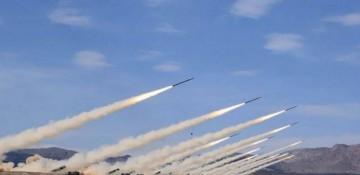
Prime Minister Benjamin Netanyahu and Defense Minister Yoav Gallant stated that villages in southern Lebanon are being treated as "military targets," and accused UN peacekeepers of serving as "human shields" for Hezbollah. In retaliation for Israeli strikes, Hezbollah launched several rocket attacks, including a strike on Haifa, in northern Israel.
Israel-Hamas conflict
In Gaza, Israel continues to enforce a blockade of the northern areas, resulting in dozens of civilian casualties and mass displacements. By October 13, the death toll in Gaza reached approximately 41,000-42,000 people. Israeli forces issued evacuation orders for key areas, including Beit Hanoun, Jabalia, and Beit Lahiya.
In response, Palestinian factions, including Hamas, launched more than 14 rockets into southern Israel and targeted Israeli forces near the Netzarim corridor. Israel countered with targeted airstrikes on Hamas infrastructure and rocket launch sites to weaken the militants' capabilities.
Israel-Iran conflict
Tensions between Israel and Iran continue to escalate. Israeli Defense Minister Yoav Gallant declared that "all options are on the table" following recent Iranian missile attacks. In response to rising tensions, the Pentagon announced the deployment of a THAAD air defense system to Israel to enhance its protection.
Iran issued a stark warning, promising severe consequences if Israel targets its infrastructure. Meanwhile, Israel is reportedly preparing strikes on Iranian targets following a recent attack involving more than 180 Iranian missiles.
Other key developments
October 7 marked the one-year anniversary of last year’s Hamas attack on Israel, leading to protests and commemorations worldwide. While U.S. leaders held memorial events for the victims, pro-Palestinian protesters rallied, demanding an end to the war in Gaza.
Reports indicate that Hezbollah is facing financial difficulties due to the disruptions caused by Israeli airstrikes, complicating its ability to sustain operations.
The escalation of conflicts between Israel and its adversaries—Hezbollah, Hamas, and Iran—highlights the volatility of the Middle East. Each side has intensified its military actions, increasing the risk of a broader conflict. The international community remains divided in its assessment of the situation, while the growing threats could potentially draw other nations into the fray.
These developments call for urgent diplomatic efforts to prevent a full-scale regional crisis, the consequences of which could have far-reaching effects on global stability.


Similar news