Fico claims secret satellite images prove Druzhba pipeline is intact


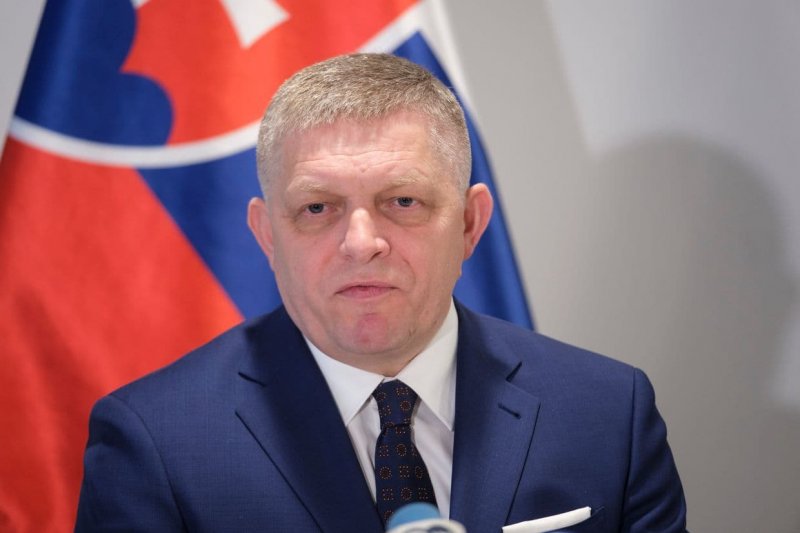
Slovak Prime Minister Robert Fico says he has access to satellite imagery showing that the Druzhba oil pipeline running through Ukraine has not been significantly damaged, contradicting Kyiv’s earlier claims.
Speaking on March 4, Fico said the images indicate that the pipeline’s main route remains intact. According to him, only a small storage tank near the infrastructure was affected, News.Az reports, citing foreign media.
“With the exception of one small storage tank, the main route of the Druzhba oil pipeline is not damaged,” Fico said, accusing Ukrainian President Volodymyr Zelensky of making false claims about the damage.
RECOMMENDED STORIES
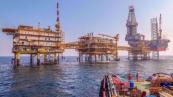
The Druzhba pipeline has long been a key route carrying Russian oil through Ukraine to Hungary and Slovakia. Despite Russia’s full-scale invasion of Ukraine in 2022, the pipeline continued to supply oil to the two countries until it went offline earlier this year.
Kyiv said in January that the pipeline had been damaged during a Russian attack in western Ukraine, forcing the suspension of oil transit.
However, Fico said Slovak intelligence services believe the pipeline itself was not damaged and that nothing technically prevents oil transit from resuming.
The dispute has further strained relations between Slovakia and Ukraine.
Bratislava has warned it may stop providing emergency electricity supplies to Ukraine in response to the halted oil deliveries. The move drew criticism from Kyiv, which says Ukraine pays for the electricity rather than receiving it as aid.
Ukraine’s Foreign Ministry spokesperson Heorhiy Tykhyi said the decision would mainly harm Slovak businesses.
“Ukraine purchases this electricity and does not receive it for free,” he said, adding that Kyiv could obtain power from other sources.
Hungary and Slovakia have also stopped exporting diesel to Ukraine amid the dispute.
Both governments are widely viewed as the most Russia-friendly within the European Union and have opposed EU efforts to fully phase out Russian oil.
Meanwhile, Hungarian Foreign Minister Peter Szijjártó visited Moscow on March 4 and met Russian President Vladimir Putin. According to Hungarian officials, the visit helped secure the release of two Ukrainian prisoners of war who are believed to hold Hungarian citizenship.
The conflicting claims about the Druzhba pipeline come as energy security and political tensions continue to shape relations between Ukraine and several of its European neighbors.
By Aysel Mammadzada


Similar news