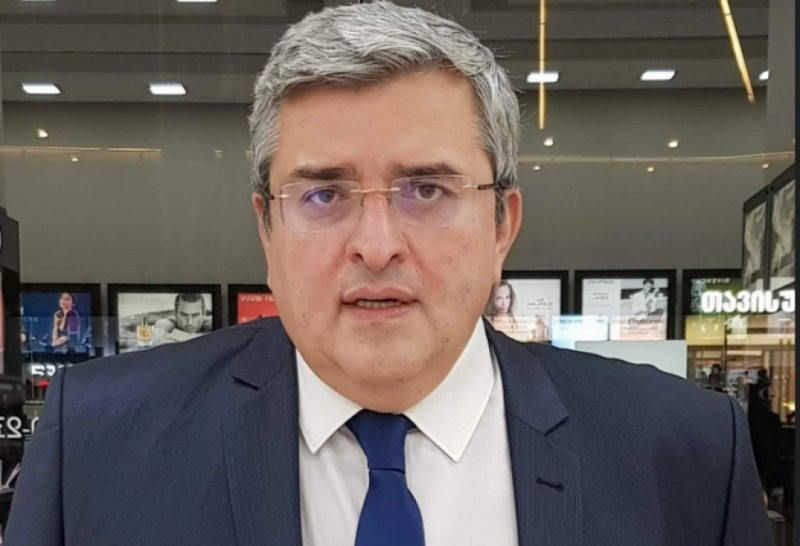
News.Az spoke with Georgian political analyst Gela Vasadze to explore the deeper political and strategic implications of the visit and its potential impact on regional dynamics in the South Caucasus.
– What is the political and strategic significance of President Ilham Aliyev’s state visit to Georgia at the current stage?
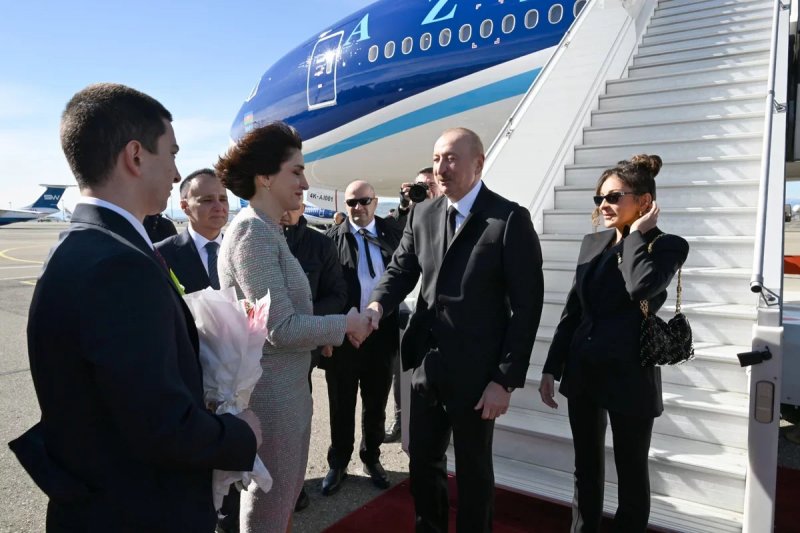
– The main significance of this visit is that Baku is effectively reaffirming that Georgia is not just a neighbour for Azerbaijan, but a key element of its broader western strategic projection. This is not only about bilateral relations, but also about the interconnected framework of energy, transit, security and political stability in the South Caucasus.
Source: AzerTAG
At the current stage, this is particularly important because Georgia, following its internal political crisis and the deterioration of relations with some Western partners, needs to demonstrate its foreign policy agency. For Tbilisi, such a visit confirms that, despite a complicated external environment, the country remains a crucial partner in the regional architecture. For Baku, it signals that Azerbaijan is interested in a stable, predictable and functional Georgia.
In other words, this is not merely a courtesy visit. It is the formalisation of a political priority: Azerbaijan is interested in preserving the Baku–Tbilisi axis as one of the few genuinely functioning formats of regional cooperation in the South Caucasus.
– Is there a need to strengthen cooperation between Azerbaijan and Georgia in defence and security amid rising regional and global tensions?
– Yes, such a need exists and is becoming increasingly evident. However, it is important to clarify that this does not necessarily imply a classical military alliance. At this stage, a more realistic and practical approach is the deepening of security coordination.
This is crucial because Azerbaijan and Georgia are interconnected through strategically significant infrastructure: pipelines, railways, ports, power transmission lines and digital communication networks. All of this makes both countries targets not only for partners, but also for actors seeking to destabilise the region. Accordingly, the protection of critical infrastructure, intelligence sharing, coordination between security services, countering hybrid threats, cybersecurity and the security of transit routes are no longer optional – they are essential.

Source: APA
Moreover, the world is entering a phase where neutrality without the capability to protect one’s own communications and infrastructure becomes a form of vulnerability. Therefore, cooperation between Baku and Tbilisi in the security sphere is not a matter of ideology, but of practical survival for infrastructure-based states.
– How effective and realistic can the joint efforts of Azerbaijan and Georgia be in developing and expanding the Middle Corridor amid growing risks on traditional transport routes?
– These efforts are not only realistic – they are objectively necessary. The question is no longer whether the Middle Corridor is needed, but who will be able to transform this political concept into a sustainable economic and logistical system more quickly.
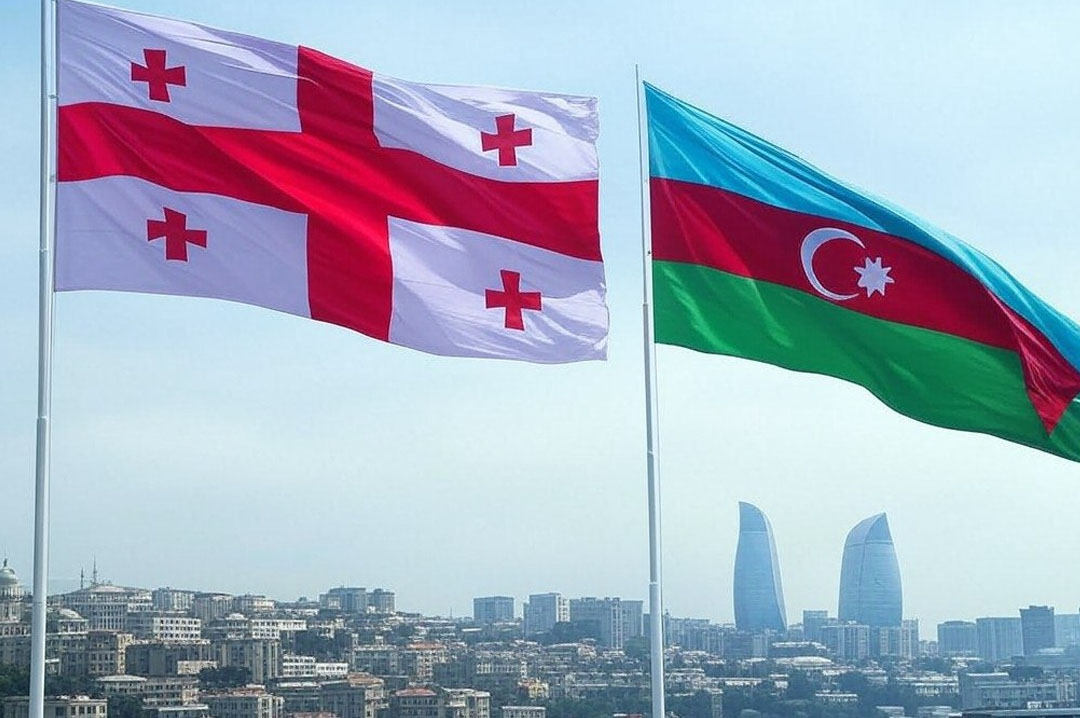
The increasing risks on traditional routes are making the Middle Corridor more sought-after. However, there is a fundamental point: a corridor does not function as a slogan. It only works when there is synchronisation of ports, railways, customs procedures, tariff policies, digitalisation and political will along the entire route. This is precisely why the role of Azerbaijan and Georgia is central. Without coordination between Baku and Tbilisi, the entire structure loses momentum and, consequently, competitiveness.
Source: Trend
How effective can this be? It will be effective to the extent that both countries act not merely as transit territories, but as architects of a new route. Azerbaijan has long positioned itself in this way. For Georgia, this is also an opportunity to move beyond the role of a “pass-through territory” and strengthen its agency through ports, logistics and infrastructure integration.
At the same time, limitations must be acknowledged. The Middle Corridor will not automatically become dominant. It will develop under conditions of intense competition, political pressure and continuous attempts to slow it down. Therefore, its future depends not only on investment, but also on strategic resilience.
– How do you assess the role of Azerbaijan and Georgia in shaping a “green energy corridor”, as well as the importance of Azerbaijan’s energy resources for Europe and Georgia’s role as a reliable transit partner?
– Speaking directly, Azerbaijan and Georgia have already demonstrated that the South Caucasus can be not a zone of conflict, but a zone of solutions in the energy sector. Now, this logic is being extended into a new domain – green energy.
In this process, Azerbaijan plays the role of a producer and exporter of resources, both traditional and future green electricity. For Europe, Azerbaijan’s importance lies not only in the volume of supplies, but also in the fact that it represents a relatively reliable non-Russian energy source. In an era of energy turbulence, this alone is a strategic factor.
Source: assets
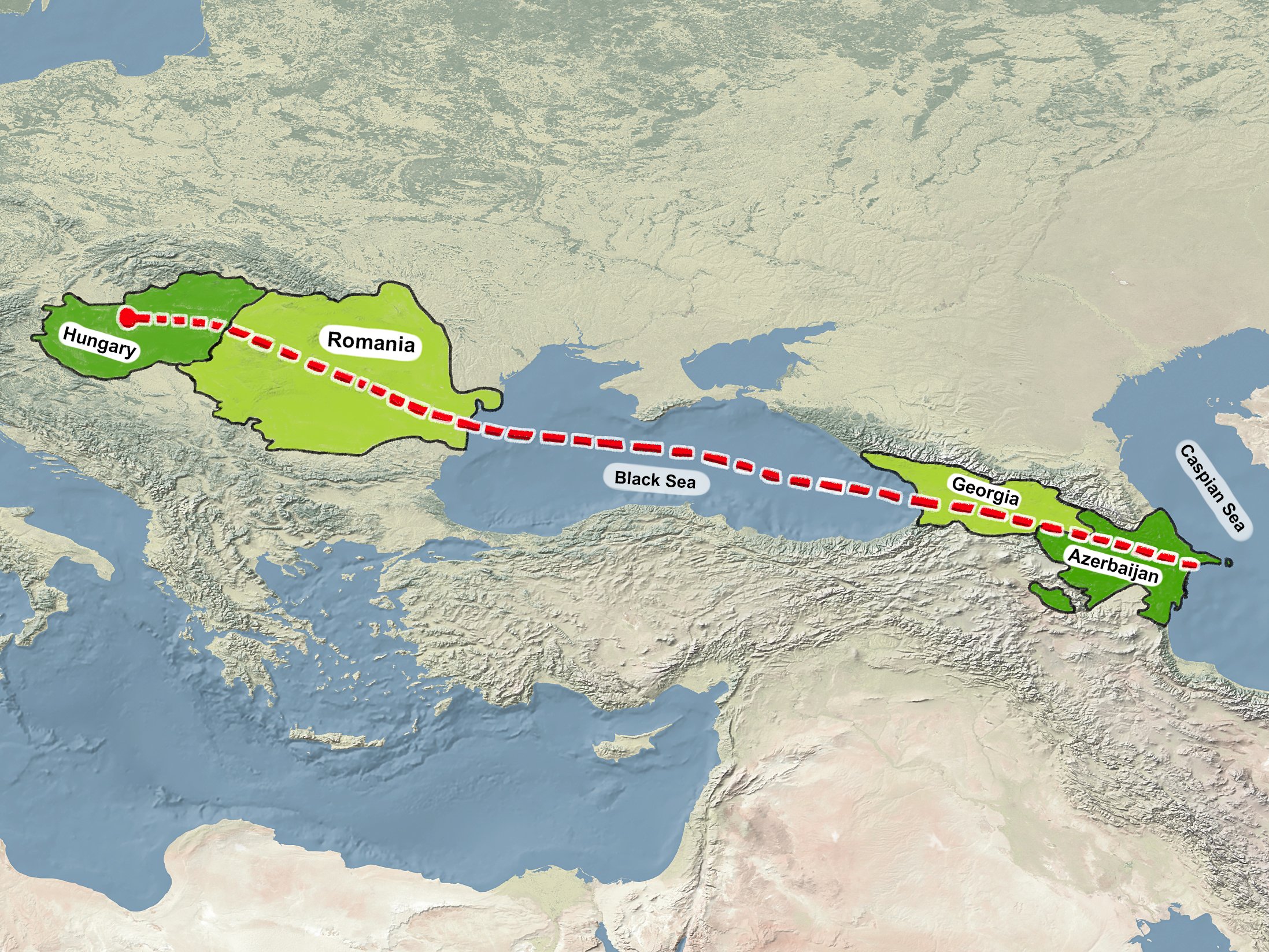
Georgia, in turn, plays an equally critical role. It is not merely an addition, but an indispensable transit partner. Without Georgian territory, infrastructure, political stability and its ability to guarantee transit, many regional energy projects would not have been possible. This applies both to traditional hydrocarbon routes and to emerging initiatives related to transmitting green energy towards Europe.
Therefore, the “green energy corridor” is not just an environmental agenda. It is a continuation of geopolitics by other means. In this framework, Azerbaijan provides the resource and strategic initiative, while Georgia ensures access, connectivity and trust in the route.
The Azerbaijani president’s visit to Georgia is significant above all because it confirms a simple reality: in the South Caucasus, only those formats truly work that are based on the convergence of real interests. The Baku–Tbilisi axis is precisely such a format. It is grounded not in declarations, but in pragmatism – security, energy, transit, access to external markets and the preservation of regional agency. For this reason, its importance will not diminish in the coming years – it will grow.



.png)