Iran’s carpet industry collapses as exports nearly hit zero after decades of decline


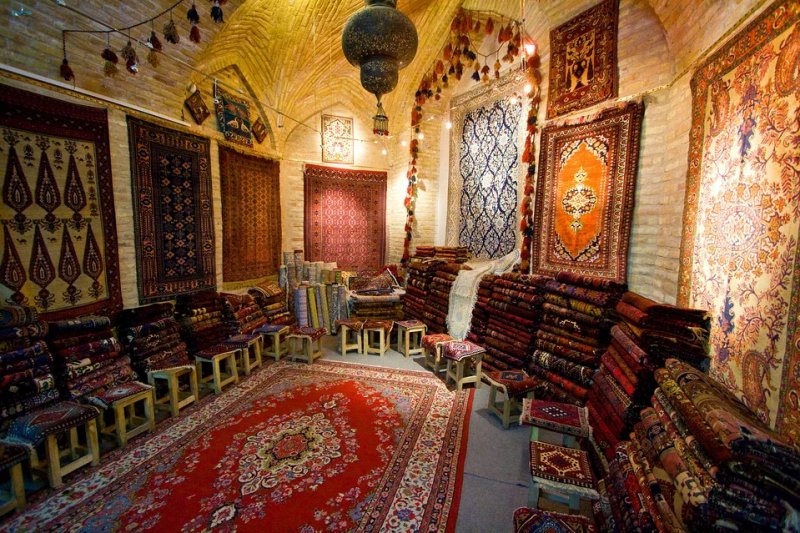
Iran’s handwoven carpet exports, once worth nearly $2.5 billion annually, have now “virtually stopped,” according to a provincial industry official, marking a dramatic decline in one of the country’s most traditional export sectors.
Abdolrahman Tasmim Ghatee, head of the union of handicrafts sellers and handwoven carpet producers in Fars province, said carpet exports have “nearly reached zero,” with current trade falling below $50 million after years of continuous decline, News.Az reports, citing Iran International.
He said the sector, which previously generated billions in revenue, has been severely affected by a collapse in demand, with around 90% of the industry dependent on tourism. According to him, the disappearance of foreign visitors has left many producers without buyers, with some shops reportedly making no sales for weeks.
RECOMMENDED STORIES
Tasmim Ghatee added that economic pressure on households has reduced spending on non-essential goods such as carpets and handicrafts, worsening the downturn in domestic demand.
He also linked the recent acceleration of the decline to the war that began in late February involving Iran, Israel and the United States, saying it further disrupted trade and increased economic uncertainty, despite a fragile ceasefire and ongoing regional tensions.
The industry’s long-term decline has been attributed to sanctions, weaker global demand, and rising competition from countries including India, Turkey, Afghanistan, China and Pakistan. US restrictions on Iranian carpet imports after withdrawing from the 2015 nuclear deal in 2018 also significantly reduced access to key markets.
Official data cited by industry sources shows exports falling from more than $2 billion in 1994 to $69 million in 2019, and as low as $2 million in 2020, with further declines continuing into recent years.
The number of carpet weavers in Fars province has reportedly dropped by around 80%, falling from about 6,000 workers in 2018 to roughly 1,000 at present. Producers say many rural women have left the trade as long production times and lack of buyers make weaving economically unsustainable.
Industry officials have called for new export channels and greater use of digital platforms such as Etsy and eBay, suggesting that online sales and access to regional markets in Armenia, Georgia, Oman, Turkey, and parts of Asia could help support remaining producers. They argue that digitalisation could help maintain business continuity during ongoing economic instability.
By Leyla Şirinova


Similar news