Senegal bans travel as oil shock hits budget


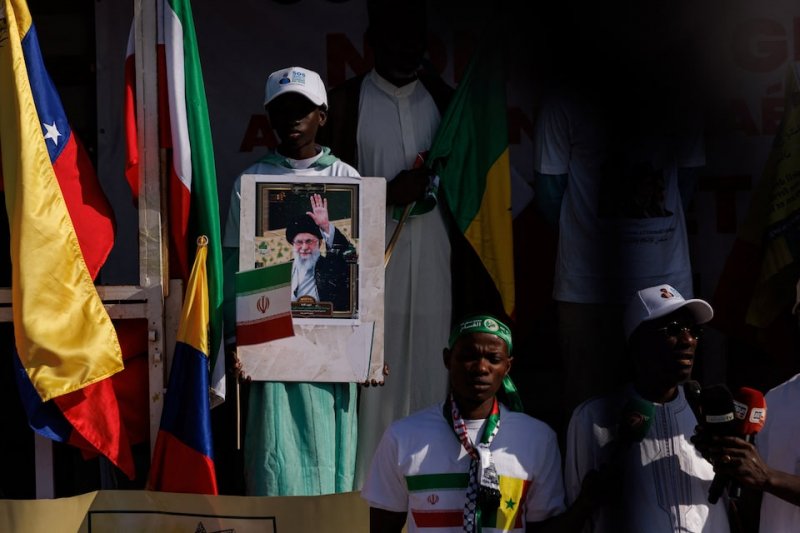
The government of Senegal has suspended all non-essential foreign travel by ministers and senior officials, warning of “extremely difficult” economic conditions as a surge in global oil prices intensifies pressure on public finances.
Prime Minister Ousmane Sonko announced the measure during a public event in the coastal town of Mbour, saying the decision was driven by rising energy costs linked to the escalating conflict between United States-Israel tensions with Iran and disruptions in global oil flows, News.Az reports, citing Reuters.
Sonko said crude oil prices had climbed to around $115 per barrel, nearly double the $62 level assumed in Senegal’s national budget, creating an urgent fiscal strain for the debt-laden West African economy.
RECOMMENDED STORIES
“No minister in my government will leave the country unless it is for an essential mission directly linked to our current priorities,” Sonko said, adding that he had already cancelled planned trips to Niger, Spain and France.
Global energy markets have been unsettled by the conflict and concerns over supply security, including heightened risks around the Strait of Hormuz, a key passage for global oil shipments. Benchmark Brent crude has surged, prompting governments worldwide to respond with fuel subsidies, price adjustments, and austerity measures.
Across West Africa and beyond, countries are increasingly adapting to the shock through spending cuts and emergency economic policies as higher energy import costs widen budget deficits.
Sonko also said further measures would be announced next week, with Senegal’s Energy and Mines Ministry expected to outline additional steps aimed at stabilizing the economy and mitigating the impact of volatile oil prices.
The government’s decision reflects growing concern among developing economies that rely heavily on imported fuel, where sudden price spikes quickly translate into fiscal stress and rising living costs.
By Aysel Mammadzada


Similar news