Memorial Day: Rising costs reshape summer vacation plans for Americans


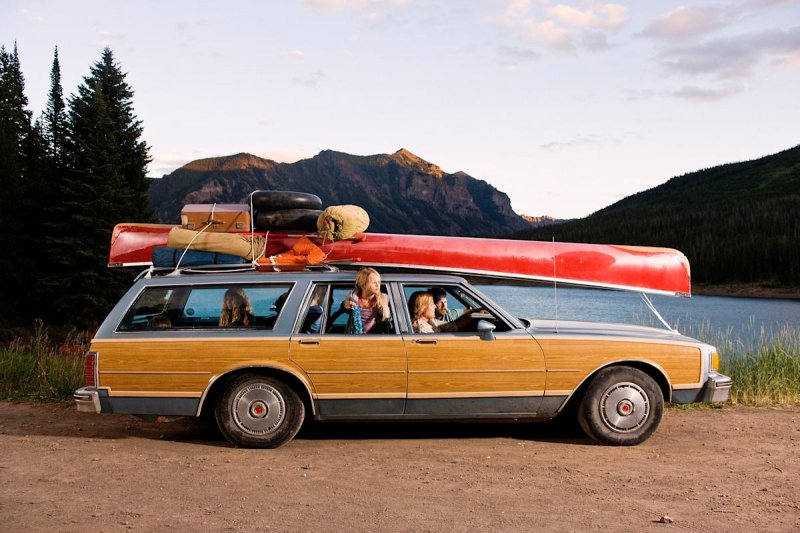
Inflation and surging energy prices are throwing a wrench into summer vacation plans, but Americans aren't unpackaging their bags just yet. Instead of canceling their getaways, travelers are completely reshaping how they travel to make their dollars stretch further.
The upcoming Memorial Day weekend is serving as a major barometer for the season, and the numbers are staggering. AAA projects a record-breaking 45 million Americans will travel at least 50 miles from home for the holiday weekend. This beats last year’s high of 44.8 million travelers, proving that the appetite for vacation remains incredibly resilient, News.Az reports, citing Yahoo Finance.
However, how people are getting to their destinations tells a different story. Road trips are dominating the landscape, accounting for 87% of all holiday travel, as 39.1 million people choose to drive rather than fly. Travelers are opting for the highway despite a massive spike at the pump; the national average for a gallon of regular unleaded has soared to $4.53, up significantly from $3.19 at this time last year.
RECOMMENDED STORIES
"Road trips are still the cheaper alternative to flying," Stacey Barber, vice president of AAA Travel, explained. While domestic air travel is also seeing a slight year-over-year bump to 3.66 million travelers, experts note that most of those flights were booked months ago, before rising jet fuel prices began severely inflating airfares.
This financial pressure has created a distinct "split-screen" reality for American households. According to a new summer travel outlook report from the Bank of America Institute, nearly 40% of lower-income households (earning $66,000 or less) plan to skip summer travel entirely this year as everyday essentials consume their budgets. To make ends meet, many are dipping into savings or leaning on credit cards, pushing the U.S. personal savings rate down to a low 3.6%. Conversely, middle- and upper-income households are actually ramping up their vacation spending.
"This summer, travel isn’t slowing down—it’s being reshaped," Melanie Fish, a travel expert at Expedia Group, noted. "Travelers are either staying closer to home or seeking out destinations where they can get more for their money."
To adapt, only about 10% of travelers are outright canceling their trips. The rest are adjusting by taking fewer trips, choosing budget accommodations, or booking much earlier to lock in lower rates.
They are also getting creative with financing. Nearly half of all Americans plan to cash in credit card rewards and loyalty points to fund their getaways. This trend is overwhelmingly driven by younger generations, with a massive 80% of Gen Z travelers planning to utilize financial rewards, compared to 60% of millennials and just 19% of baby boomers.
For those looking to bypass expensive flights and hotels entirely, the cruise industry has become the summer's biggest winner. Cruise spending has risen across all income groups this year, with more than a third of Americans planning to set sail in the next 12 months. Even a recent hantavirus scare tied to an expedition vessel hasn't slowed down bookings.
Because cruise ships must sail regardless of capacity, lines are offering aggressive sales and value-added promotions that airlines simply can't match. For cost-conscious travelers trying to beat the 2026 travel squeeze, the open sea is looking like the ultimate financial safe haven.
By Aysel Mammadzada


Similar news