Serbia, Hungary report explosives near gas pipeline


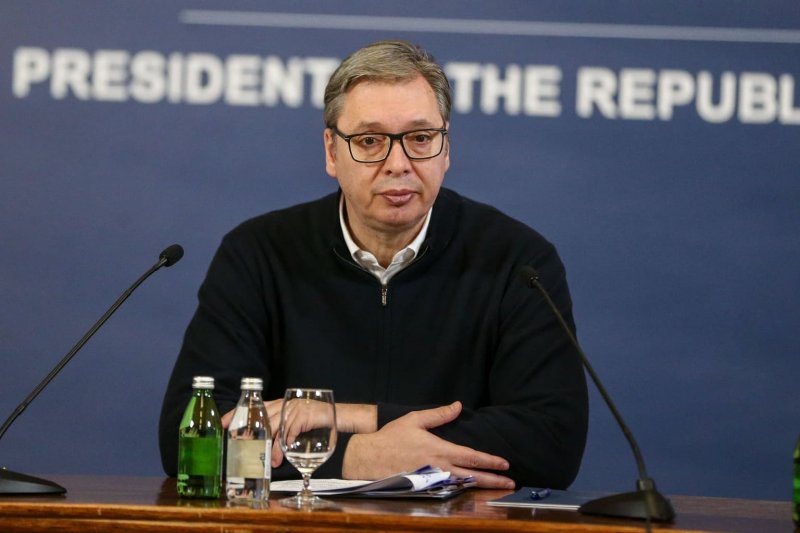
Serbia and Hungary have reported the discovery of explosives near a gas pipeline carrying Russian natural gas through the Balkans, triggering political tensions and competing accusations over possible sabotage.
Hungarian Prime Minister Viktor Orbán said on April 5 that authorities had found a “powerful explosive device” near critical energy infrastructure connecting Serbia and Hungary. Serbian officials later confirmed the discovery of an explosive device weighing around 4 kilograms near the town of Kanjiza, close to the border, News.Az reports, citing foreign media.
Hungarian Foreign Minister Peter Szijjártó suggested the incident could be linked to Ukraine, describing it as consistent with previous attacks on Russian energy infrastructure. Kyiv has firmly rejected the accusation.
RECOMMENDED STORIES
A spokesperson for Ukraine’s Foreign Ministry said the country “categorically rejects” any involvement, calling the claims false and insisting Ukraine had “nothing to do with this.”
Serbian military security officials have dismissed claims that the incident was being falsely attributed to Ukraine on behalf of any third party, saying such allegations were “not true.”
Authorities in Serbia said intelligence indicated that a trained individual within a migrant group may have been preparing sabotage against energy infrastructure, but the exact perpetrator has not been identified.
The incident comes amid already strained relations between Ukraine and Hungary, particularly over Russian oil and gas transit through regional pipelines such as Druzhba and TurkStream.
Hungary and Serbia maintain close energy ties with Russia, and the issue has become increasingly politicised ahead of Hungary’s upcoming elections.
Opposition figures in Hungary have also suggested the possibility of politically motivated narratives surrounding the incident, though no evidence has been presented publicly.
The TurkStream pipeline, which transports Russian gas through the Black Sea into Turkey and onward through Southeast Europe, remains a critical energy route for several countries in the region.
Investigations into the explosive device are ongoing, with officials from Serbia and Hungary coordinating security responses as political accusations continue to escalate.
By Aysel Mammadzada


Similar news