Ukrainian forces in the Belgorod region: A new phase of conflict


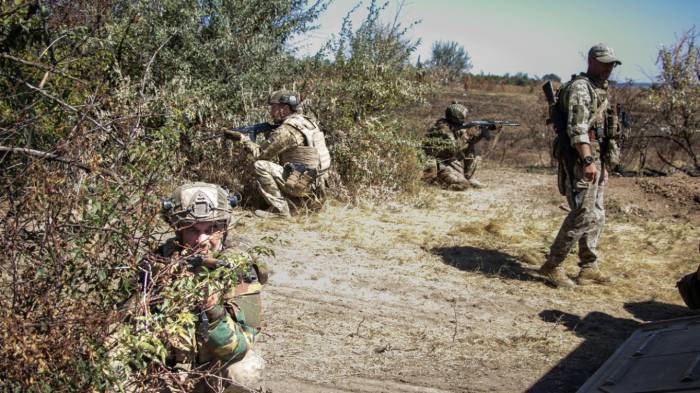
Recent events in Russia’s Belgorod region have drawn a lot of attention due to the escalating military activity and rising tensions from the ongoing conflict with Ukraine. This area, situated close to the Russia-Ukraine border, has become a hotspot for intense military actions with serious consequences for both military personnel and civilians, as reported by News.Az .
Military incidents in the Belgorod region have surged, especially after Ukrainian forces ramped up their operations in the area. This uptick followed a significant push by Ukrainian troops into the nearby Kursk region, marking one of the largest cross-border operations since the conflict began. Ukrainian forces reportedly advanced into Russian territory, capturing several settlements along the way.
The Belgorod region has been frequently targeted , facing drone strikes and missile attacks that have resulted in numerous civilian casualties. These assaults prompted the regional governor, Vyacheslav Gladkov, to declare a state of emergency, as the humanitarian situation in the area continues to worsen due to the attacks on civilian infrastructure.
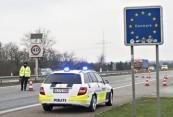
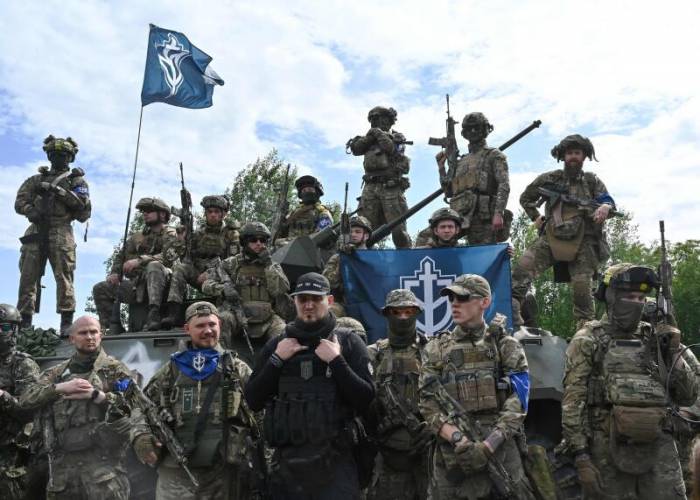 Recent reports also mention attempts by Ukrainian forces to breach the border at the Nekhoteyevka checkpoint. However, these efforts were reportedly repelled by Russian forces. Such incidents highlight the growing tensions and the complex challenge of managing the situation along the border.
The ongoing conflict has had a profound impact on the daily lives of people in Belgorod and other affected areas. The city is now accustomed to frequent air raid sirens, and attacks on civilian targets are a common occurrence. The heavy toll on civilians and the destruction of infrastructure have disrupted everyday life, with schools switching to online or hybrid models and public services frequently interrupted due to security alerts.
The political and strategic stakes of these events are high. The increased military actions and mutual accusations between Russia and Ukraine are further inflaming tensions. Ukraine argues that its actions are legitimate defensive measures aimed at protecting its land and people.
Ukrainian President Volodymyr Zelensky has said these operations are part of a larger strategy to end the war and has expressed a desire to hold a peace summit with Russia. Despite the ongoing violence, Ukraine is pushing for a diplomatic resolution to the conflict.
The situation has also caught the attention of the international community. U.S. President Joe Biden commented on the strategic dilemma these incidents pose for Russian President Vladimir Putin. The growing focus on Belgorod underscores the broader geopolitical implications of the conflict and its impact on global relations.
In summary, the Belgorod region remains a critical flashpoint in the ongoing conflict between Russia and Ukraine, with significant military and civilian consequences. As the situation continues to evolve, it requires careful attention and analysis from both regional and international observers. The conflict is far from resolved, and its complexities demand close monitoring and strategic responses.
Military incidents in the Belgorod region have surged, especially after Ukrainian forces ramped up their operations in the area. This uptick followed a significant push by Ukrainian troops into the nearby Kursk region, marking one of the largest cross-border operations since the conflict began. Ukrainian forces reportedly advanced into Russian territory, capturing several settlements along the way.
The Belgorod region has been frequently targeted , facing drone strikes and missile attacks that have resulted in numerous civilian casualties. These assaults prompted the regional governor, Vyacheslav Gladkov, to declare a state of emergency, as the humanitarian situation in the area continues to worsen due to the attacks on civilian infrastructure.
Recent reports also mention attempts by Ukrainian forces to breach the border at the Nekhoteyevka checkpoint. However, these efforts were reportedly repelled by Russian forces. Such incidents highlight the growing tensions and the complex challenge of managing the situation along the border.The ongoing conflict has had a profound impact on the daily lives of people in Belgorod and other affected areas. The city is now accustomed to frequent air raid sirens, and attacks on civilian targets are a common occurrence. The heavy toll on civilians and the destruction of infrastructure have disrupted everyday life, with schools switching to online or hybrid models and public services frequently interrupted due to security alerts.
The political and strategic stakes of these events are high. The increased military actions and mutual accusations between Russia and Ukraine are further inflaming tensions. Ukraine argues that its actions are legitimate defensive measures aimed at protecting its land and people.
Ukrainian President Volodymyr Zelensky has said these operations are part of a larger strategy to end the war and has expressed a desire to hold a peace summit with Russia. Despite the ongoing violence, Ukraine is pushing for a diplomatic resolution to the conflict.
The situation has also caught the attention of the international community. U.S. President Joe Biden commented on the strategic dilemma these incidents pose for Russian President Vladimir Putin. The growing focus on Belgorod underscores the broader geopolitical implications of the conflict and its impact on global relations.
In summary, the Belgorod region remains a critical flashpoint in the ongoing conflict between Russia and Ukraine, with significant military and civilian consequences. As the situation continues to evolve, it requires careful attention and analysis from both regional and international observers. The conflict is far from resolved, and its complexities demand close monitoring and strategic responses.


Similar news