What is driving global energy and oil price volatility


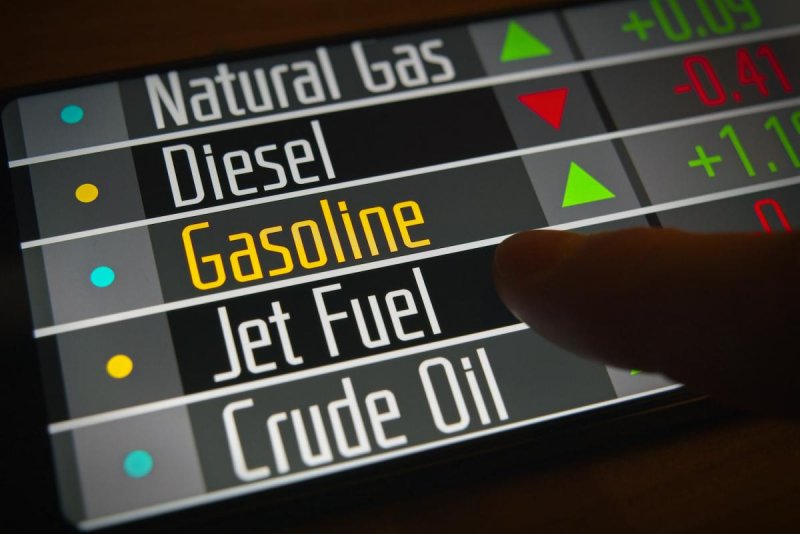
Global energy markets are currently experiencing heightened volatility due to a combination of geopolitical tensions, supply constraints, and shifting demand patterns. The price of Brent crude oil, which serves as a key international benchmark, has been particularly sensitive to developments in major producing regions.
Conflicts in the Middle East, disruptions in supply chains, and uncertainty around production levels have created a fragile balance in the market. At the same time, economic conditions in major consuming countries influence demand, adding another layer of complexity.
RECOMMENDED STORIES
This combination of supply side risks and demand side fluctuations is the primary driver of price instability.
Why are oil prices so sensitive to geopolitical events
Oil markets are inherently sensitive to geopolitical developments because a significant portion of global supply is concentrated in regions prone to instability. Any threat to production or transportation can quickly affect prices.
Even the perception of risk can trigger market reactions. Traders often respond to potential disruptions before they occur, leading to price spikes.
In addition, oil is a globally traded commodity, meaning that events in one region can have immediate effects worldwide. This interconnectedness amplifies the impact of geopolitical tensions.
How do supply and demand dynamics affect prices
The basic principle of supply and demand remains central to oil price movements. When supply is constrained and demand remains stable or increases, prices tend to rise. Conversely, when supply exceeds demand, prices fall.
However, in the current environment, these dynamics are influenced by external factors such as sanctions, production agreements, and technological changes.
For example, coordinated production decisions by major exporters can tighten or loosen supply, while economic slowdowns can reduce demand.
What role do major producers play in price fluctuations
Major oil producing countries and organizations have significant influence over global prices. Groups like OPEC coordinate production levels among member states to manage supply.
In addition, non OPEC producers such as the United States have become key players due to the growth of shale oil production.
Decisions by these producers regarding output levels, investment, and exports can have immediate and substantial effects on the market.
How do conflicts impact energy markets
Conflicts in key regions can disrupt production, damage infrastructure, and threaten transportation routes. These disruptions reduce available supply and increase uncertainty.
For example, tensions in the Middle East can affect shipping routes and production facilities, while conflicts elsewhere may lead to sanctions or trade restrictions.
The impact of conflict is not limited to physical disruptions. It also affects market sentiment, leading to increased volatility.
What is the role of strategic reserves
Many countries maintain strategic petroleum reserves to buffer against supply disruptions. These reserves can be released during crises to stabilize markets and ensure continuity of supply.
While strategic reserves provide short term relief, they are not a permanent solution. Their effectiveness depends on the scale and duration of the disruption.
The use of reserves is often coordinated among major economies to maximize impact.
How does energy volatility affect global inflation
Energy prices are a key component of inflation. When oil and gas prices rise, transportation and production costs increase, leading to higher prices for goods and services.
This can reduce purchasing power and slow economic growth. Central banks may respond by adjusting interest rates, which can further influence economic activity.
The relationship between energy prices and inflation makes volatility a major concern for policymakers.
What impact does volatility have on businesses
Businesses across various sectors are affected by energy price fluctuations. Industries such as transportation, manufacturing, and logistics are particularly sensitive to fuel costs.
Volatility makes it difficult for companies to plan and budget, increasing financial risk. Some businesses use hedging strategies to manage this risk, but these measures have limitations.
Higher energy costs can also lead to reduced profitability and increased prices for consumers.
How are renewable energy trends influencing the market
The transition toward renewable energy is gradually reshaping global energy markets. Investments in solar, wind, and other alternatives are increasing, reducing long term reliance on fossil fuels.
However, this transition is uneven and still in progress. Fossil fuels continue to play a dominant role in meeting global energy demand.
In the short term, the coexistence of traditional and renewable energy systems can contribute to volatility, as markets adjust to new dynamics.
What role does speculation play in oil price movements
Financial markets play a significant role in determining oil prices. Traders and investors buy and sell oil futures based on expectations of future supply and demand.
Speculation can amplify price movements, particularly during periods of uncertainty. Positive or negative sentiment can lead to rapid changes in prices, even in the absence of physical disruptions.
While speculation adds liquidity to the market, it can also increase volatility.
How do currency fluctuations affect oil prices
Oil is typically priced in US dollars, meaning that changes in currency values can influence prices. When the dollar strengthens, oil becomes more expensive for buyers using other currencies, potentially reducing demand.
Conversely, a weaker dollar can make oil more affordable and support demand. Currency movements therefore add another layer of complexity to price dynamics.
This interaction between currency and commodity markets is an important factor in global trade.
What scenarios could shape future price trends
Several scenarios could influence oil prices in the coming months. Continued geopolitical tensions could push prices higher, while economic slowdowns could reduce demand and lower prices.
Technological advancements and policy changes related to energy transition may also play a role. Unexpected events, such as natural disasters or major disruptions, can further impact the market.
The interplay of these factors makes forecasting challenging.
Why does energy price volatility matter globally
Energy price volatility has far reaching implications for the global economy. It affects inflation, trade balances, and economic growth.
For energy importing countries, high prices can strain budgets and increase costs. For exporting countries, volatility can impact revenues and economic stability.
The global nature of energy markets means that these effects are interconnected and widespread.
Conclusion
Global energy and oil price volatility is driven by a complex set of factors, including geopolitics, supply and demand dynamics, and market behavior. The current environment is particularly uncertain, with multiple risks influencing prices.
Understanding these dynamics is essential for policymakers, businesses, and consumers. As the energy landscape continues to evolve, managing volatility will remain a key challenge for the global economy.
By Faig Mahmudov


Similar news