Why Azerbaijan’s legal state model matters today


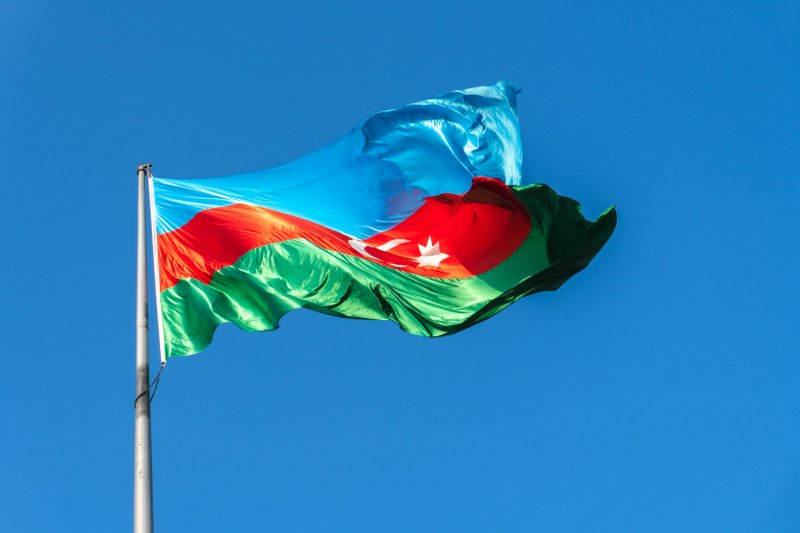
In the modern world, the sustainable development of states and the strengthening of their international standing are measured primarily by the quality of rule-of-law institutions and the level of development of civil society.
A state model based on the supremacy of law and the recognition of human rights and freedoms as the highest value inevitably requires the active participation of all segments of society, effective public oversight, and a strong sense of social responsibility. Since gaining independence, the Republic of Azerbaijan has deliberately chosen this path, committing itself to the construction of a legal, democratic, and secular state.
The adoption of the Constitution of the Republic of Azerbaijan in 1995, driven by the political will of National Leader Heydar Aliyev, laid a solid foundation for the formation of a rule-of-law state and civil society. The Constitution enshrined the protection of human and civil rights and freedoms, the principle of separation of powers, the supremacy of law, and the accountability of the state to its citizens. This supreme legal document is not merely a normative framework; it represents a fundamental value system that defines the philosophy of societal development in Azerbaijan.

Civil society is an inseparable component of a legal state. Non-governmental organizations, the media, public associations, professional unions, and active citizens serve as a bridge between society and the state, contributing to the formation of public opinion and ensuring transparency in decision-making processes. In Azerbaijan, the development of civil society has been identified as one of the key priorities of state policy. The improvement of the legislative framework, support for public initiatives, and the creation of an environment for open dialogue have made it possible to achieve tangible progress in this sphere.
Reforms implemented under the leadership of President Ilham Aliyev have elevated the process of building a legal state to a qualitatively new level. Institutional changes in the judicial system, the expansion of electronic public services, and innovative governance mechanisms such as the ASAN Service model have all been aimed at increasing citizen satisfaction and strengthening trust between the state and society. These reforms ensure that the law functions not only on paper, but also in real life, as an effective instrument of justice and public service.
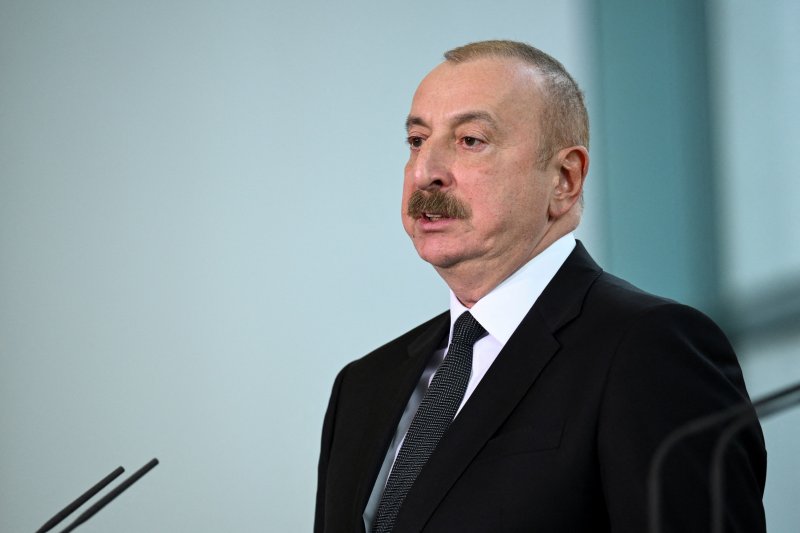
One of the key indicators of a genuine rule-of-law state is the application of the principle of humanism in criminal justice policy. In Azerbaijan, the systematic use of amnesty and pardon mechanisms reflects the state’s rehabilitative and socially responsible approach, rather than a purely punitive one. While ensuring public security, the state simultaneously emphasizes reintegration and the principle of giving individuals a second chance. This approach represents a clear convergence between the values of civil society and the core principles of the legal state.
The declaration of the “Year of the Constitution and Sovereignty” carries particular significance as a symbolic and substantive summary of Azerbaijan’s historic achievements in state-building. The full restoration of sovereignty and the effective enforcement of the Constitution’s supreme legal force across the entire territory of the country represent the practical realization of the rule of law. At this stage, the role of civil society becomes even more critical, as a strong state is only possible with active, responsible citizens who are aware of their rights and duties.
The development of civil society also contributes directly to the strengthening of social justice and public solidarity. The state’s socially oriented policies, protection of vulnerable groups, care for the families of martyrs and war veterans, as well as commitments to gender equality and inclusivity, ensure equal participation of all members of society in public life. This demonstrates that a legal state is not limited to legal mechanisms alone, but also encompasses social and moral dimensions.
The human factor stands at the center of President Ilham Aliyev’s political vision. His call to “transform oil capital into human capital” succinctly captures the essence of the philosophy underpinning the rule-of-law state and civil society. Reforms in education, healthcare, social protection, culture, and information policy are aimed at unlocking the potential of citizens and fostering the intellectual development of society. A legal state is strengthened not only by the existence of laws, but by their acceptance and support by society itself.
In conclusion, the construction of a legal state and the development of civil society in Azerbaijan are being pursued in parallel and in close interaction. A strong state requires strong citizens, and strong citizens, in turn, form a strong civil society. Thanks to the strategic vision of National Leader Heydar Aliyev and the decisive leadership of President Ilham Aliyev, Azerbaijan is presenting a model of development that is exemplary both regionally and internationally. This model, grounded in the supremacy of law, protection of human rights, public participation, and the principles of humanism, constitutes a reliable foundation for the country’s future development.
Rovshan Seyyaroglu
The material was prepared with the financial support of the Media Development Agency of the Republic of Azerbaijan.


Similar news